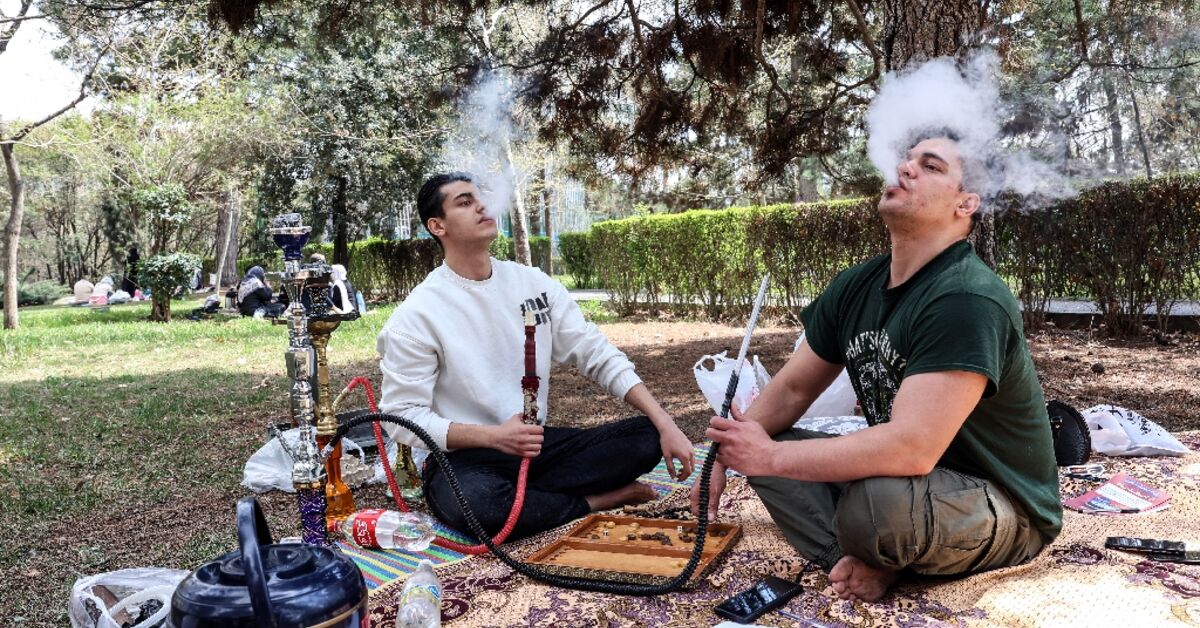
In a lush park in the Iranian capital of Tehran, Iranians gathered to celebrate Nowruz, ignoring U.S. President Donald Trump's threats to bomb their country "back to prehistoric times." This celebration occurs during a period of military tension in Iran, which has been embroiled in armed conflict for over a month since Trump, in collaboration with Israel, initiated military operations against it on February 28.
Despite military pressures and escalating threats, Iranians continued to celebrate Nowruz, which marks the beginning of the Persian New Year, by hosting barbecues and picnics in public parks. The capital, Tehran, experienced strong explosions while citizens were enjoying the festive atmosphere, further heightening the tension in the city.
Event Details
The Nowruz celebration coincided with unprecedented military escalation in the region, where Iranian forces launched strong responses to American threats. On Thursday, Tehran witnessed powerful explosions, raising concerns among citizens who were trying to enjoy the holiday atmosphere. Nevertheless, Iranians demonstrated a spirit of resistance and defiance, gathering in public parks to celebrate with family and friends.
These celebrations are part of Iran's cultural heritage, with citizens keen on reviving their traditions even in the most challenging circumstances. Photos circulated on social media showed Iranians dancing and singing, reflecting their strong spirit in the face of adversity.
Background & Context
Historically, Iran has faced numerous political and military crises, but the celebration of Nowruz symbolizes hope and renewal. This holiday dates back thousands of years and is celebrated by Iranians worldwide. With rising tensions with the United States, this holiday has become an opportunity for Iranians to express their cultural identity and cling to their traditions.
In recent years, pressures on Iran have increased due to economic and political sanctions, affecting citizens' lives. However, Nowruz celebrations remain a sign of resilience and defiance, as Iranians strive to maintain their traditions in the face of difficulties.
Impact & Consequences
American threats against Iran are part of the ongoing pressure policy pursued by the Trump administration, aimed at undermining the Iranian regime. However, Iranian reactions to these threats indicate that the Iranian people refuse to surrender or yield to external pressures.
This military escalation could exacerbate conditions in the region, potentially intensifying conflicts and impacting regional security. Additionally, the continuation of warfare may negatively affect the Iranian economy, which is already suffering from sanctions.
Regional Significance
Events in Iran directly affect neighboring Arab countries, as Iran is a key player in regional politics. Amid rising tensions, relations between Arab states and Iran may be impacted, complicating the situation in the region.
It is crucial for Arab countries to monitor the situation in Iran, as any military escalations could affect security and stability in the region. The Nowruz celebrations may reflect the Iranian people's desire for peace and stability, presenting an opportunity for Arab nations to engage with Iran in a dialogue.
Ultimately, Nowruz remains a symbol of hope and renewal, as Iranians seek to preserve their traditions and cultural identity in the face of challenges.