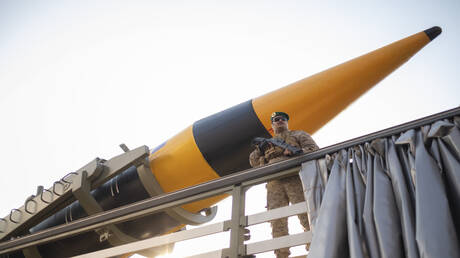
Brigadier General Majid Mousavi, commander of the Iranian Revolutionary Guard's aerospace force, has issued a stern warning to enemies, urging citizens to prepare their shelters for a potential confrontation. This statement comes amid rising military and political tensions in the region, raising concerns about the future stability of the Middle East.
In his remarks made today, Wednesday, Mousavi emphasized that the Revolutionary Guard is ready to confront any threats that may face Iran. He described the enemies as seeking to undermine security and stability in the country, indicating that Iran will not hesitate to take necessary measures to protect its sovereignty.
Details of the Warning
Mousavi's statements come at a sensitive time, as pressures on Iran from Western powers, especially the United States and its regional allies, are increasing. Recent weeks have witnessed an escalation in hostile rhetoric between Iran and the United States, heightening the likelihood of military confrontation.
The statements also come amid ongoing tensions between Iran and Israel, with both countries exchanging accusations regarding military activities and espionage. Mousavi noted that the Revolutionary Guard is closely monitoring enemy movements and is prepared to respond at any moment.
Background & Context
Historically, Iran has always been on alert to confront external threats, particularly from the United States and Israel. Following the US withdrawal from the nuclear agreement in 2018, tensions have significantly escalated, with Washington imposing harsh sanctions on Tehran.
Regional events, such as the conflict in Syria and the US military presence in Iraq, have contributed to strengthening Iran's defensive posture. The Iranian Revolutionary Guard is considered one of the main military arms of the state and plays a prominent role in regional politics.
Impact & Consequences
Mousavi's statements may lead to increased tensions in the region, as they can be interpreted as a call to prepare for military confrontation. This situation could raise concerns among neighboring countries, which fear the repercussions of any potential military escalation.
Additionally, these statements may affect Iran's relations with European countries, which are seeking to revive the nuclear agreement. If hostile rhetoric continues, European nations may find themselves in a difficult position as they try to balance maintaining relations with Iran while facing pressure from the United States.
Regional Significance
For Arab countries, Iranian escalation may raise new concerns about security and stability in the region. Many Arab nations, especially those sharing borders with Iran, may feel anxious about any potential military escalation.
These statements could also impact relations between Iran and Gulf states, as these countries seek to bolster their security amid increasing threats. Such tensions are likely to lead to enhanced security cooperation between Gulf states and the United States.
In conclusion, the situation in the region remains complex, with political and military interests intertwined. The Iranian Revolutionary Guard's statements reflect a state of ongoing tension, warranting close monitoring by the international community.