The Iraqi Ministry of Interior announced the dismissal of several security leaders following a rocket attack on Baghdad International Airport, reflecting a new security escalation in the capital. The attack, which originated from the Mada'in area south of Baghdad, resulted in damage to a military transport aircraft belonging to the Iraqi Air Force, according to an official statement from the ministry.
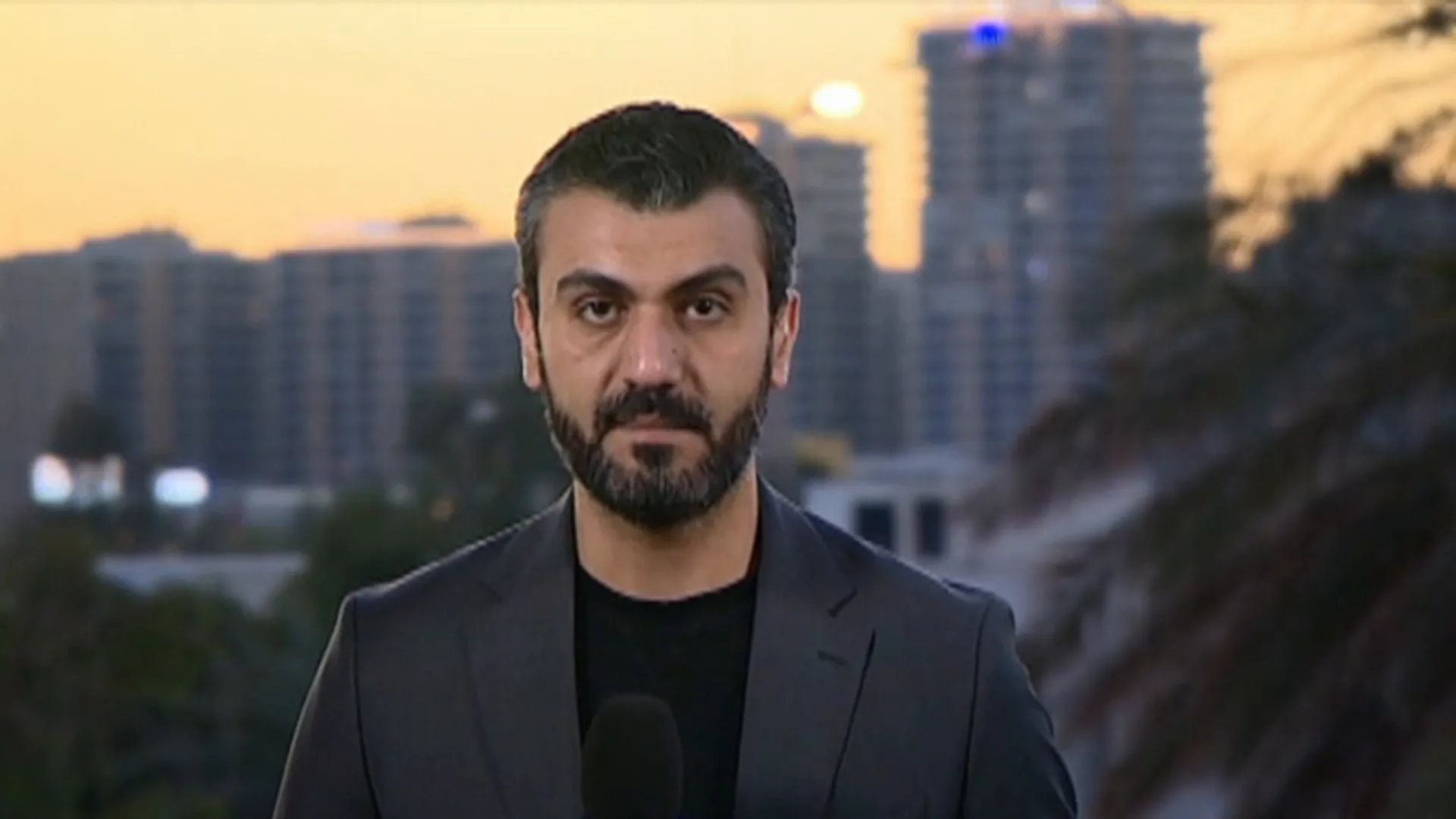
Samir Youssef, the Al Jazeera bureau chief in Iraq, clarified that the decision came after four rockets were fired at the airport, highlighting the increasing security challenges faced by the Iraqi government in controlling the armed factions that carry out such attacks. This step is not the first of its kind, as the Minister of Interior has previously taken similar actions against field leaders due to the use of certain areas for launching rockets and drones targeting what they describe as "American interests."
Details of the Incident
The recent attack on Baghdad Airport occurs at a sensitive time, as the airport is a vital point for military and diplomatic operations in Iraq. The airport's vicinity includes a logistical support facility belonging to the U.S. Embassy, which has been subjected to a series of drone and rocket attacks in recent times. Some of these attacks have resulted in projectiles landing in civilian areas due to interception by air defense systems, raising concerns about civilian safety.
In statements from security sources, including the Baghdad Operations Commander and the National Security Advisor, it was confirmed that there are stringent security plans in place to protect diplomatic missions and vital facilities. There was also an emphasis on rejecting any targeting of Iraqi territory or foreign premises, reflecting the Iraqi government's commitment to safeguarding its sovereignty and security.
Background & Context
These developments come amid a rise in attacks claimed by armed factions in Iraq. Factions known as the "Islamic Resistance in Iraq" have announced the execution of dozens of operations using rockets and drones against American targets both inside and outside Iraq. This escalation reflects the ongoing security tension in the country and highlights the significant challenges the Iraqi government faces in controlling weapons outside state authority.
Historically, Iraq has witnessed an increase in the activity of armed factions following the American withdrawal in 2011, as these factions exploited the security vacuum to carry out their operations. With the rise of regional tensions, these factions have begun to play a larger role in the Iraqi political and security landscape, complicating the security situation further.
Impact & Consequences
The dismissal of security leaders may be a positive step towards enhancing security, but it also reflects the government's failure to control armed factions. These events could lead to further instability in the country, negatively impacting the economic and social situation for Iraqis. Additionally, the rise in attacks may prompt the government to adopt more stringent measures, potentially exacerbating the security situation.
Moreover, the continued attacks on diplomatic facilities could adversely affect Iraq's international relations, particularly with the United States. This situation may influence international support for Iraq in various fields, including security and the economy.
Regional Significance
The events in Iraq are indicative of increasing security tensions in the region, as they reflect the internal conflicts in Arab countries that have larger implications for regional stability. The escalation of attacks in Iraq may encourage armed factions in other countries to take similar actions, further complicating the security landscape in the region.
Furthermore, the ongoing chaos in Iraq could affect neighboring countries, potentially leading to an influx of refugees and increased border tensions. In this context, Arab countries must work together to enhance security and stability in the region and provide support to Iraq in facing security challenges.
In conclusion, the situation in Iraq remains under scrutiny, as the deteriorating security environment requires a swift and effective response from the Iraqi government and the international community to ensure the country's stability and protect civilians.