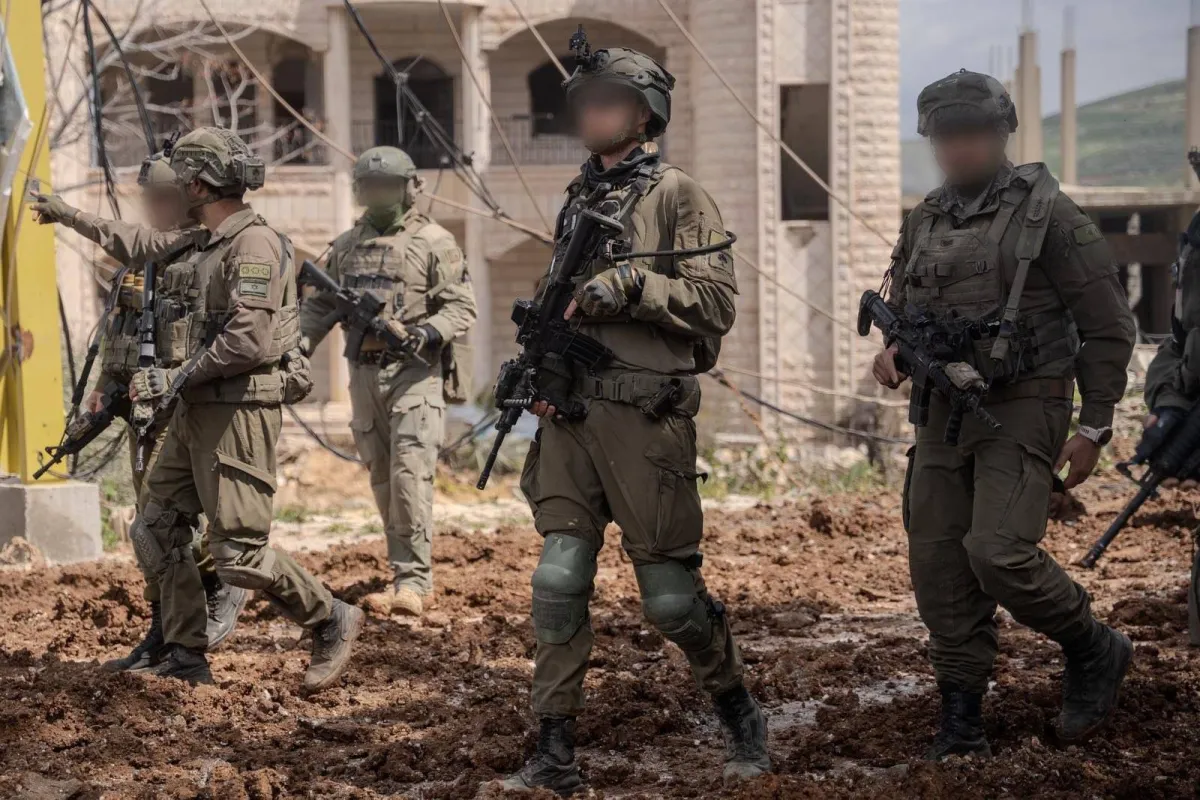
Informed sources have reported that Israel intends to expand its ground incursion into southern Lebanon to a depth of 10 kilometers. This incursion has already been executed along at least two axes, indicating the Israeli army's intention to re-establish a buffer zone along the border, similar to the one that existed prior to its withdrawal from the south in 2000.
In the absence of any political initiatives that could curb the Israeli advance, Tel Aviv seeks to impose a new reality on the Lebanese negotiator after occupying areas in the south. Lebanese parliamentary sources have confirmed that Israel aims to occupy parts of the south, making these areas a leverage point in any future negotiations, where withdrawal would be conditional.
Details of the Event
The Lebanese Prime Minister, Nawaf Salam, reiterated Lebanon's rejection of the Israeli incursion, emphasizing that any attempt to create a buffer zone or security belt is completely unacceptable. This statement came during a call with Spanish Prime Minister Pedro Sánchez, who expressed Spain's support for Lebanon and its territorial integrity.
Israeli leaks indicate that the military operation includes Lebanese villages located about 10 kilometers from the border, with the Israeli army confirming that it does not intend to advance northward. This deployment aims to prevent the launch of anti-tank missiles towards Israeli towns.
Background & Context
Historically, Israel has conducted similar operations in southern Lebanon, aiming to create a buffer zone to protect its settlements from attacks. However, today's military objectives differ from those in the past, as Israel focuses on countering new threats such as guided anti-tank missiles.
It is noteworthy that the current incursion closely resembles the goals achieved during Operation Litani in 1978, albeit with differences in the methods and tools employed.
Impact & Consequences
The Israeli incursion raises significant concerns in Lebanon, where it is expected to escalate tensions between local communities and displaced persons from the south. Additionally, Israeli assaults on UNIFIL forces may further complicate the security situation in the region.
At the same time, the Lebanese government continues its efforts to address the repercussions of the increasing displacement, with the number of displaced persons surpassing one million due to the ongoing conflict. However, the international response remains far below the urgent need.
Regional Significance
This incursion is part of a series of regional tensions affecting the stability of the area. While Arab countries strive to enhance security and economic cooperation, the Israeli escalation may hinder these efforts and deepen divisions.
In conclusion, the situation in Lebanon remains complex, intertwining humanitarian, political, and military dimensions, necessitating a comprehensive response from the international community to ensure regional stability.