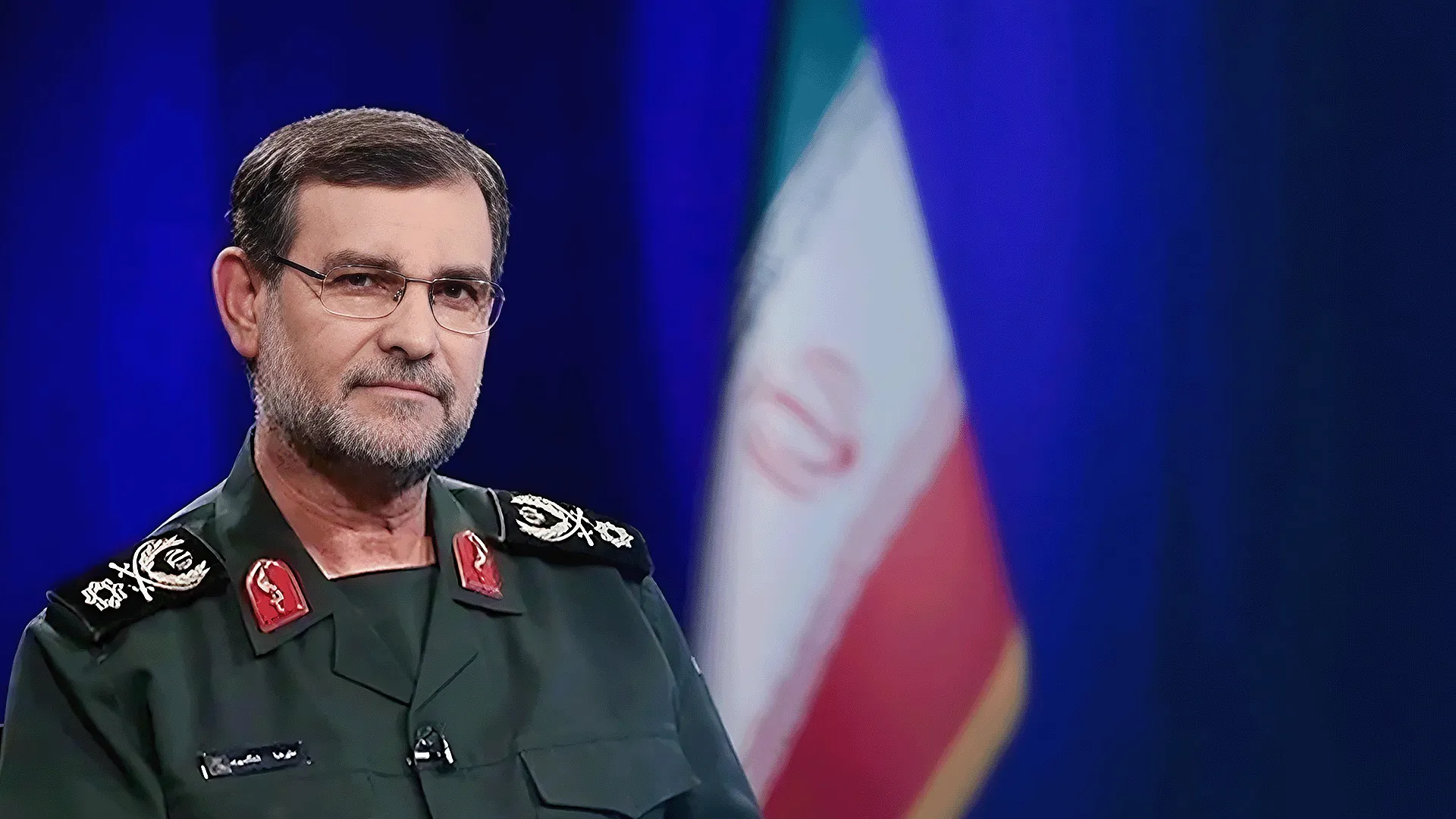
Israel announced the assassination of Ali Reza Tangsiri, the commander of the Iranian Revolutionary Guard Navy, in a move that reflects an escalation in targeting Iranian military leaders. Tangsiri, who took office in 2018, had a pivotal role in managing maritime security in the Gulf and the Strait of Hormuz, raising questions about the implications of this assassination on regional balances.
Tangsiri is considered the sixth commander of the Revolutionary Guard Navy and was appointed to this position by a decree from the late Iranian Supreme Leader Ali Khamenei. Before assuming command, Tangsiri held several leadership positions, including commanding the first naval zone in Bandar Abbas and serving as deputy commander of the naval forces from 2010 to 2018. His name has been associated with a clear ability to restrict the movement of ships in the Strait of Hormuz, which Tehran considered a strategic pressure card against Western countries.
Details of the Assassination
In a statement, Israeli Defense Minister Israel Katz confirmed Tangsiri's assassination, indicating that he was directly responsible for planting mines and closing the Strait of Hormuz. According to Israeli sources, the assassination operation was carried out through a precise strike targeting Tangsiri in Bandar Abbas, while Iran has yet to confirm or deny the news.
The Israeli Broadcasting Authority noted that Tangsiri oversaw the development of the Revolutionary Guard's naval capabilities, including fast boat tactics, coastal missiles, and drones, aimed at deterring any foreign naval presence in the region. At the end of 2024, the Iranian news agency Mehr reported him stating that Iran began constructing 67-meter aluminum buoys for guided missiles, reflecting evolving Iranian military trends.
Background & Context
The assassination of Tangsiri comes amid escalating tensions between Iran and the United States and its allies in the region. The United States included his name on the sanctions list in 2019 due to his role in the Iranian missile program, along with accusations related to actions against commercial vessels in international waters. The European Union also imposed sanctions on him in 2023 for his involvement in transferring air defense systems to Syria and sending drones to Russia.
The assassination of Tangsiri represents a significant shift in targeting Iranian military leaders, particularly those linked to naval and missile issues. This targeting reflects the sensitivity of the role he played within the Iranian military system, raising questions about the strategic dimensions of this development.
Impact & Consequences
The assassination of Tangsiri could escalate tensions in the region, as Iran may seek to respond to this targeting by enhancing its military capabilities or carrying out retaliatory operations against Israeli or American targets. This event could also impact maritime traffic in the Gulf, where Iran may take measures to restrict the movement of commercial ships, highlighting the importance of the Strait of Hormuz as a vital passage for global energy.
Furthermore, these developments may lead to a reassessment of Western countries' strategies toward Iran, especially amid ongoing tensions regarding its nuclear program and its support for armed groups in the region. The assassination of Tangsiri could open the door for further Israeli military operations against Iranian targets, complicating the security landscape in the Middle East.
Regional Significance
The assassination of Tangsiri represents a turning point that could directly affect Arab countries in the region, particularly those sharing maritime borders with Iran. The increasing tensions could lead to escalated maritime disputes, threatening the stability of navigation in the Gulf. Arab countries may find themselves compelled to adopt more cautious stances toward Iran, especially in light of potential threats to their national security.
In conclusion, the assassination of Ali Reza Tangsiri reflects a strategic shift in the regional conflict, necessitating close monitoring of future developments in the area, as they may have far-reaching implications for regional security and stability.