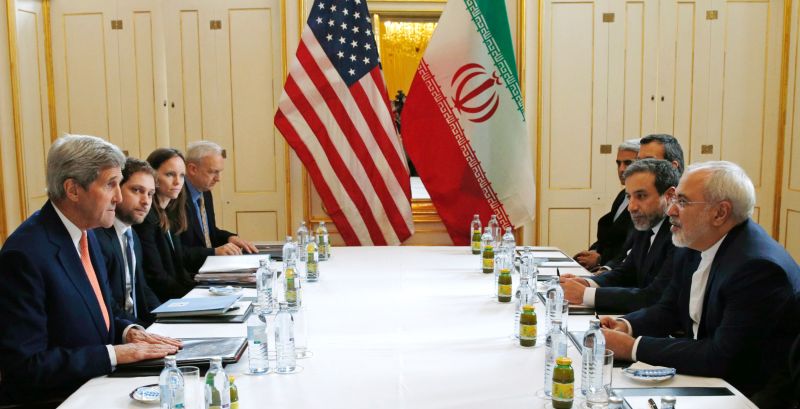
Axios has revealed attempts by some Israeli officials to undermine U.S. Vice President J.D. Vance's efforts to negotiate with Iran, as he seeks to end the ongoing war that has lasted for nearly a month.
According to the report, Vance's advisors believe that some Israeli officials view the U.S. Vice President as not being tough enough on Iran, prompting them to try to sabotage his efforts. Israeli officials, however, have denied these accusations.
Details of the Situation
Vance, who is considered one of the key figures in the U.S. administration, is preparing to play a central role in efforts to end the war. He has made phone calls to Israeli Prime Minister Benjamin Netanyahu, held meetings with allies in Gulf countries, and engaged in indirect talks with the Iranians.
Vance's expectations regarding the developments of the war appear pessimistic, as he indicated that the conflict may continue for several more weeks, which contrasts with the optimistic assessments from Israel prior to the outbreak of the war.
Context and Background
These developments coincide with rising tensions between the United States and Israel on one side, and Iran on the other. The U.S. and Israel have been waging a war against Iran since February 28. Iran has responded by launching hundreds of missiles at Israel and targeting U.S. interests in the region, resulting in material damage and loss of life.
Additionally, Iran has closed the Strait of Hormuz, a vital artery for global trade, and has targeted ships attempting to cross it, leading to disruptions in global oil prices.
Impact and Consequences
Vance's efforts to negotiate with Iran are seen as an important step in attempting to calm the situation; however, Israeli pressures may hinder these endeavors. If Vance fails to make progress, the conflict could escalate, negatively impacting stability in the region.
It is worth noting that Vance holds a high position in the U.S. administration, and his opposition to open conflicts abroad makes him a pivotal figure in the negotiations, being considered more appealing to the Iranians compared to other officials like Steve Witkoff and Jared Kushner, who led previous rounds of unsuccessful talks.
Impact on the Arab Region
The Arab region is significantly affected by the escalating tensions between Iran, the United States, and Israel. The ongoing war could exacerbate humanitarian conditions in neighboring countries, in addition to its impact on oil prices and regional economies.
Under these circumstances, hope remains pinned on Vance's efforts to achieve peace, but the challenges he faces may hinder any potential progress.