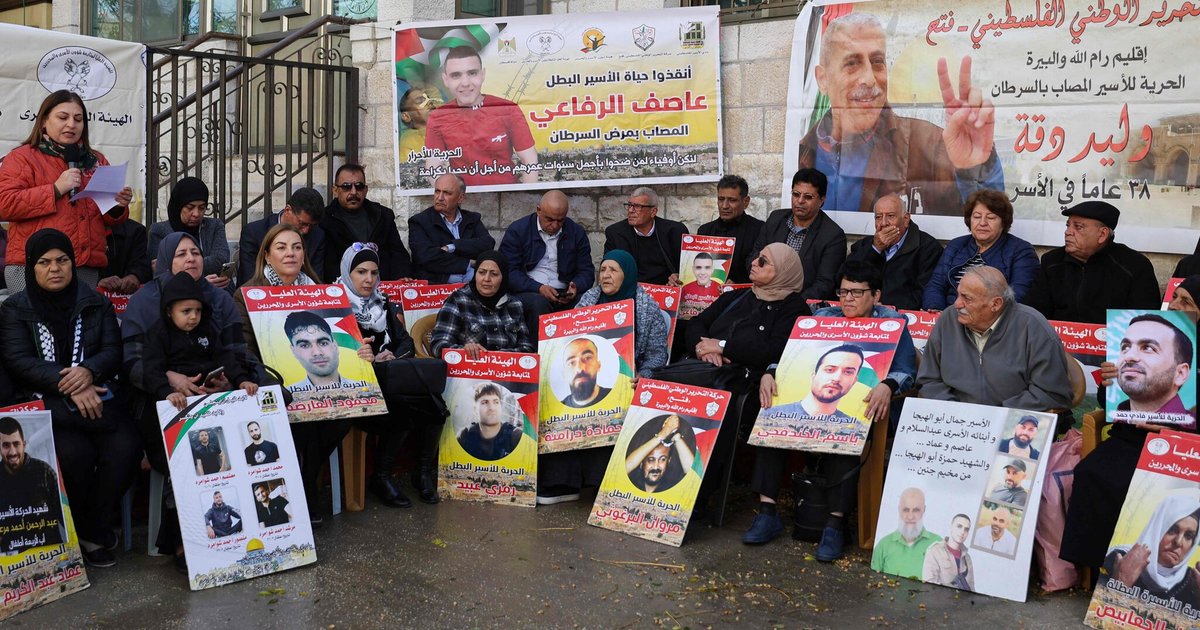
Israeli authorities have recently approved the death penalty for several Palestinian prisoners, provoking angry reactions from various local and international entities. This decision comes at a time of rising tensions in the Palestinian territories, where there is increasing concern about the implications of this ruling on the security and political situation in the region.
This ruling is viewed as an escalatory step by the Israeli government, which faces growing criticism for its policies towards Palestinian prisoners. Human rights organizations have deemed this decision a blatant violation of international laws that prohibit the execution of death sentences in certain cases, especially in the context of armed conflicts.
Details of the Decision
The list of prisoners subject to the death penalty includes several detainees arrested during various military operations. This decision was made following a series of attacks targeting Israeli forces, which led to increased calls within the Israeli government to tighten penalties against Palestinians.
At the same time, media reports have noted strong reactions from Palestinian factions, which consider this ruling a declaration of war against the Palestinian people. Many Palestinian leaders have called for an escalation of resistance against the Israeli occupation, viewing this step as a reflection of the repressive policies pursued by the Israeli government.
Background & Context
Historically, the Palestinian territories have witnessed numerous instances of executions of prisoners, but this decision comes at a sensitive time when international pressures on Israel regarding its policies towards Palestinians are increasing. Reports indicate that the number of Palestinian prisoners in Israeli jails has exceeded 5,000, including women and children, raising concerns within the international community about human rights in the region.
These events coincide with a rise in popular protests in the West Bank and Gaza Strip, where Palestinians are demanding improved living conditions and the release of prisoners. Additionally, the deteriorating economic situation in the Palestinian territories exacerbates tensions, making it difficult to achieve any progress in the peace process.
Impact & Consequences
The decision to execute prisoners could lead to an escalation of violence in the region, with Palestinian factions expected to respond with military operations against Israeli forces. Furthermore, this ruling may negatively affect relations between Israel and Arab countries, particularly amid ongoing peace efforts.
If the death sentences are carried out, it could spark a wave of protests across the Arab world, where many view this decision as a gross violation of human rights. The international community may also intervene more forcefully to pressure Israel to halt such policies.
Regional Significance
This decision could have profound implications for relations between Arab states and Israel, potentially leading to a deterioration of diplomatic ties. The tense situation in the Palestinian territories may also impact stability in neighboring countries, complicating the regional landscape further.
Ultimately, the question remains about how this decision will affect the future of peace in the region. The rise in violence and protests may hinder any progress in negotiations, threatening the stability of the entire region.