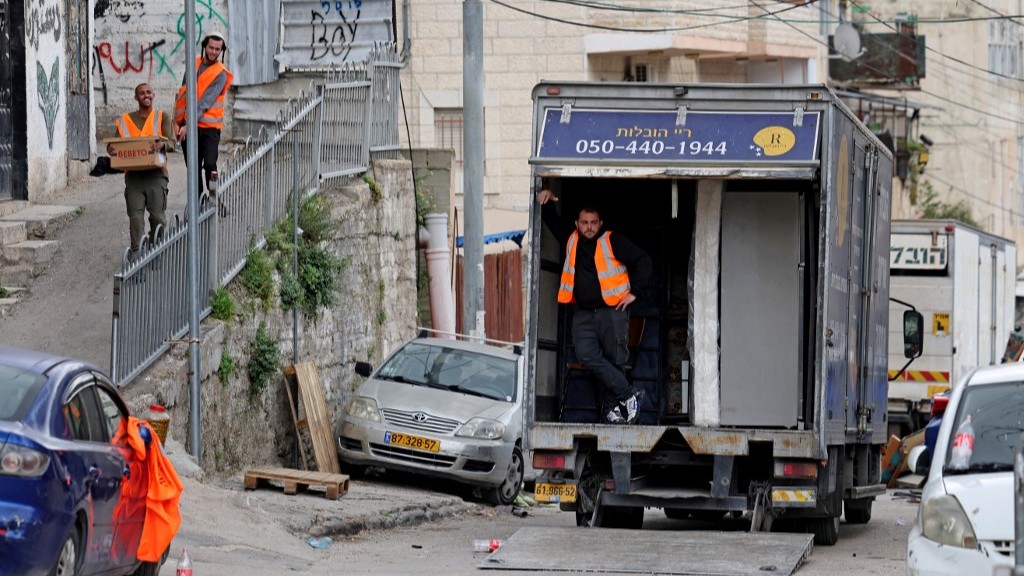
In a new move reflecting escalating tensions in East Jerusalem, Israeli forces evacuated 11 Palestinian families from their homes in the Silwan neighborhood on March 25, 2026. Videos have shown settlers throwing furniture out of windows, which has drawn widespread condemnation from the international community and human rights advocates.
Local reports indicated that Israeli forces seized 13 Palestinian apartments in Silwan, with settlers from the organization Ateret Cohanim, which advocates for settlement in Palestinian neighborhoods, accompanying them. The Israeli human rights organization B'Tselem reported that approximately 2,200 people in Silwan are facing an imminent threat of forced displacement.
Details of the Evacuation
These evacuations are part of a systematic policy aimed at altering the demographic makeup of East Jerusalem, where the Israeli government seeks to strengthen the presence of settlers in Palestinian areas. In this context, B'Tselem confirmed that these actions represent clear institutional violence, based on discriminatory laws aimed at "Judaizing" the neighborhood.
Simultaneously, these events coincide with a rise in hostilities in the West Bank, where several Palestinian villages have witnessed attacks by Israeli settlers, leading to the burning of cars and homes. Videos have documented fires in villages such as Jaloud, Funduqiyya, Silat al-Dhahr, and Qaryut, where residents were trying to evacuate those trapped inside.
Background & Context
Historically, East Jerusalem has seen increasing tensions since its occupation in 1967. Silwan is considered one of the most sensitive areas, where political and religious interests intersect. The Israeli government aims to expand its settlements in this area, exacerbating the conflict between Palestinians and settlers.
The policy of forced evacuation is part of a broader strategy aimed at reducing the Palestinian presence in East Jerusalem. The war on Iran has been used as a cover to enhance settlement activities in Palestinian territories, raising concerns within the international community.
Impact & Consequences
These events pose a direct threat to human rights in the region, as Palestinian families face forced displacement without any compensation or alternatives. This policy is seen as part of an ongoing ethnic cleansing process aimed at changing the demographic composition in favor of settlers.
Concerns are growing that these actions will exacerbate the conflict in the region, as Palestinians face increasing challenges in maintaining their presence on their land. Additionally, these events could lead to an escalation of violence between the two sides, threatening stability in the region as a whole.
Regional Significance
These events serve as a wake-up call for Arab nations and the international community, highlighting the urgent need for intervention to protect Palestinian rights. The continuation of these Israeli policies could worsen the humanitarian situation in the occupied territories, necessitating prompt Arab and international action.
In conclusion, the issue of East Jerusalem remains one of the most complex matters in the Israeli-Palestinian conflict, requiring intensive diplomatic efforts for resolution. What is happening in Silwan embodies the ongoing suffering of the Palestinian people and should be a focal point of international concern.