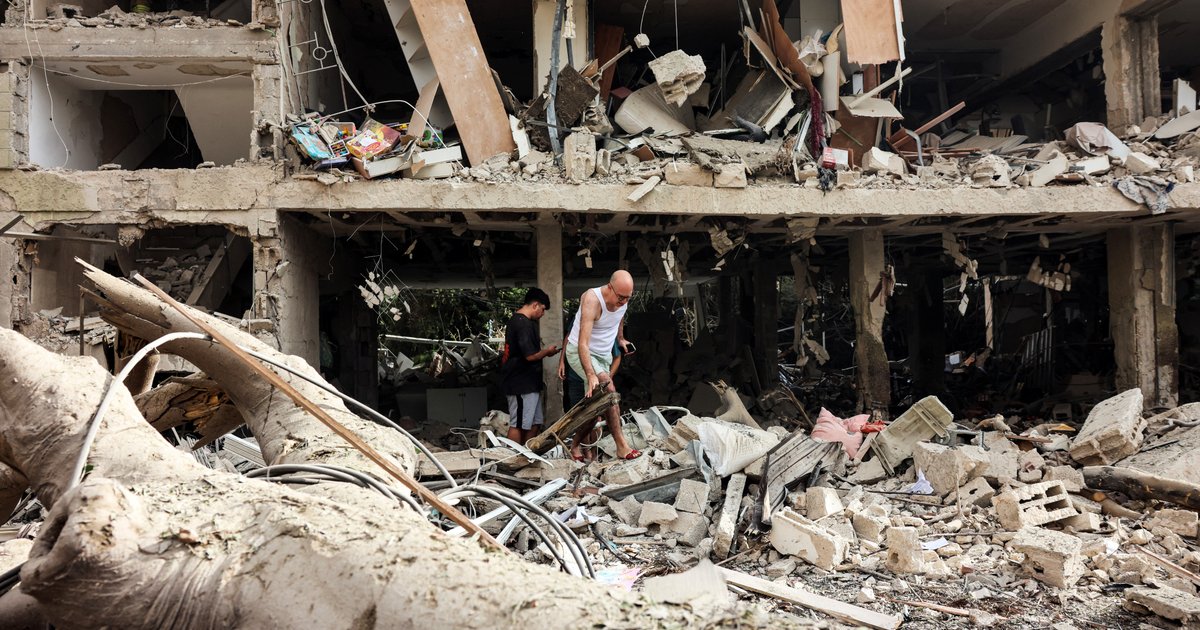
Israeli authorities have reported a total of 5689 injuries since the onset of the war with Iran, highlighting escalating tensions in the region. This announcement comes at a critical time as concerns grow over the conflict's implications for regional security.
Events in the Middle East are rapidly unfolding, with significant shifts occurring in the political and military landscape. The war with Iran, which began in recent weeks, has led to a substantial escalation in military operations between the two sides, directly impacting civilians in both countries.
Details of the Incident
Israel regularly records the number of injuries resulting from the conflict, with reports indicating that most injuries are related to reciprocal missile attacks. There are also warnings of escalating violence in the coming days, especially with the continuation of military operations by Iranian forces.
The recorded injuries include serious cases, placing additional pressure on Israel's healthcare system. Officials have noted that hospitals are operating at full capacity to handle the increasing number of casualties.
Background & Context
The roots of the conflict between Israel and Iran trace back many years of political and military tensions. Iran is considered one of the main countries supporting armed groups in the region, complicating the conflict further. Recent years have seen a rise in tensions, particularly following the United States' withdrawal from the nuclear agreement with Iran.
Historically, there have been several rounds of conflict between Israel and Iran, but the current war represents a new turning point in relations between the two countries. Analysts suggest that this war could lead to radical changes in the balance of power in the region.
Impact & Consequences
The consequences of the current war may be far-reaching, as it is expected to affect regional stability overall. The increase in injuries in Israel could lead to greater military responses, escalating the conflict further.
Moreover, this war may impact relations between Israel and other Arab countries, as fears grow that the conflict could extend to include other nations in the region. Analyses indicate that this war could lead to a reshaping of political alliances in the Middle East.
Regional Significance
The war between Israel and Iran is a sensitive issue for Arab countries, raising concerns about escalating violence and instability in the region. Many Arab nations are closely monitoring the situation, as any escalation could affect their national security.
At the same time, this war could enhance cooperation between some Arab countries and Iran, especially if tensions continue to rise. It is crucial for Arab nations to remain vigilant in facing any potential repercussions that may arise from the conflict.
In conclusion, the figures announced by Israel reflect a growing sense of anxiety in the region. The war with Iran is not merely a military conflict; it is a reflection of a broader struggle involving complex political and economic issues. The international community must urgently intervene to mitigate escalation and ensure stability in the region.