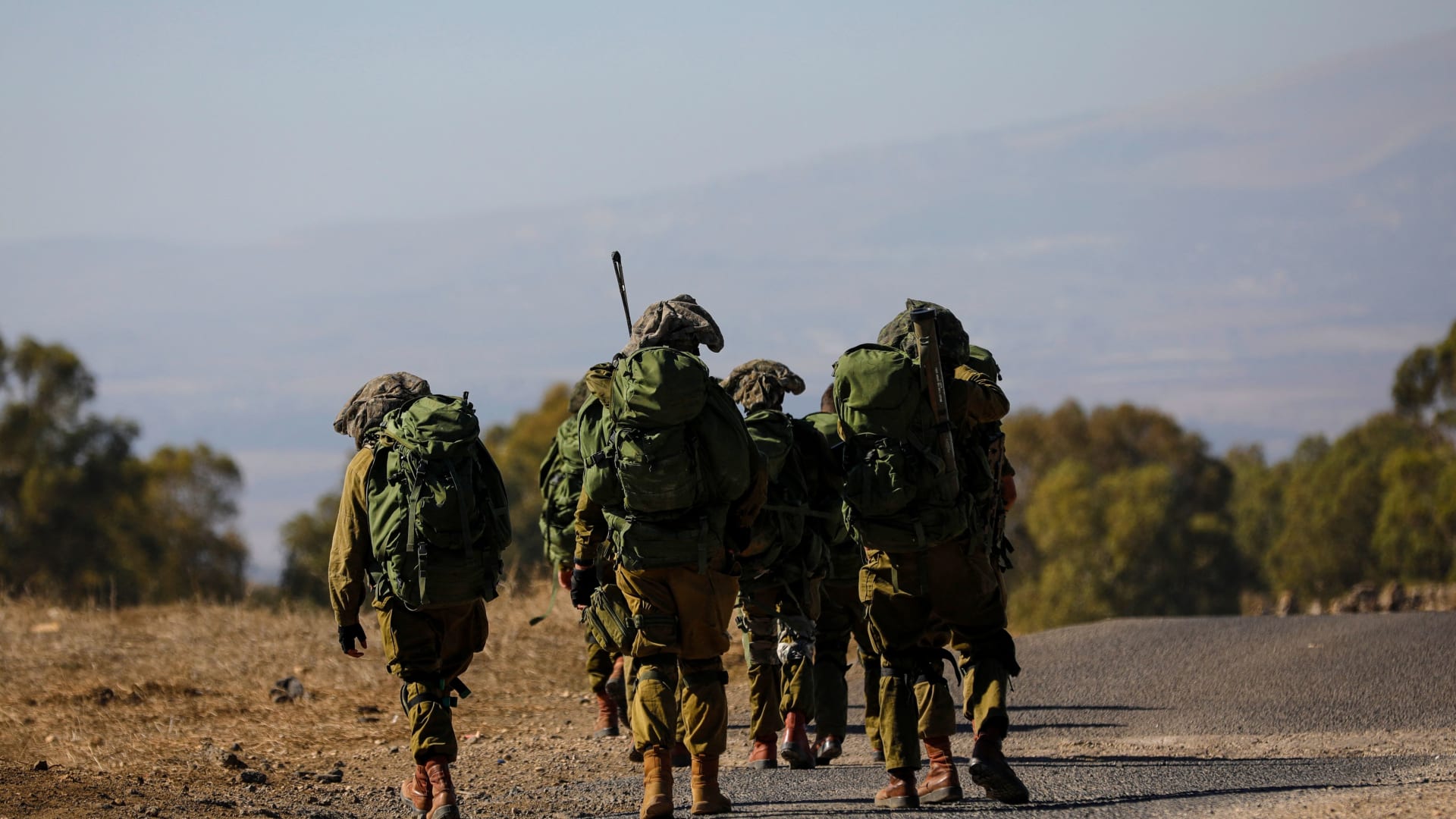
The 'Wall Street Journal' reveals a significant shift in Israel's military strategy towards Iran, moving from destabilizing the regime to directly targeting its military and industrial capabilities. This new approach reflects Tel Aviv's awareness of the importance of constraining Tehran's military capabilities, which it considers a primary threat to its national security.
This step comes at a time when tensions in the region are escalating, as Israel seeks to bolster its military position through operations targeting Iranian facilities. The report indicates that these operations may include attacks on weapons production sites, as well as targeting the logistical support networks that Iran relies on to enhance its military capabilities.
Details of the Shift
In recent years, Israeli military operations have largely focused on destabilizing the Iranian regime by supporting opposition groups and conducting limited military strikes. However, with the escalation of threats, it appears that Israel has decided to change its strategy to be more effective in addressing the security challenges posed by Iran.
Reports suggest that Israel has already begun implementing preemptive operations targeting sensitive sites in Iran, including nuclear and industrial facilities. These operations aim to undermine Iran's ability to develop advanced weapons, contributing to reducing the risk of military escalation in the future.
Background & Context
Historically, relations between Israel and Iran have been extremely tense, especially following the Iranian Revolution in 1979. Since then, Israel has viewed Iran as an existential threat, prompting it to take various military actions. In recent years, Iran has increased its influence in the region by supporting groups such as Hezbollah in Lebanon and militias in Iraq and Syria, raising Israel's concerns.
This change in Israeli strategy coincides with rising tensions between the United States and Iran, particularly after Washington's withdrawal from the Iranian nuclear deal. This withdrawal has provided Israel with greater leeway to act against Iran, as Tehran has become more isolated on the international stage.
Impact & Consequences
The change in Israeli strategy could lead to greater escalation in the region, as Iran may respond to these attacks by targeting Israeli interests or its allies in the region. This escalation could drag the region into a wider conflict, complicating the security situation in the Middle East.
Moreover, this strategy may affect relations between Israel and Arab countries, as some nations may find themselves in a difficult position between supporting Israel or maintaining their relations with Iran. Additionally, these operations could increase tensions between major powers, especially if the United States or Russia intervenes in the conflict.
Regional Significance
The shifts in Israeli strategy towards Iran may have profound implications for the situation in the Arab region. Many Arab countries are concerned about the increasing Iranian influence and may find themselves compelled to reassess their alliances. At the same time, the escalation between Israel and Iran could exacerbate humanitarian crises in the region, particularly in Syria and Iraq.
Ultimately, the question remains as to how Iran will respond to this new strategy, and whether it will lead to military escalation or push the parties to seek diplomatic solutions. Upcoming developments will shape the contours of the conflict in the region and may have far-reaching implications for regional and international security.