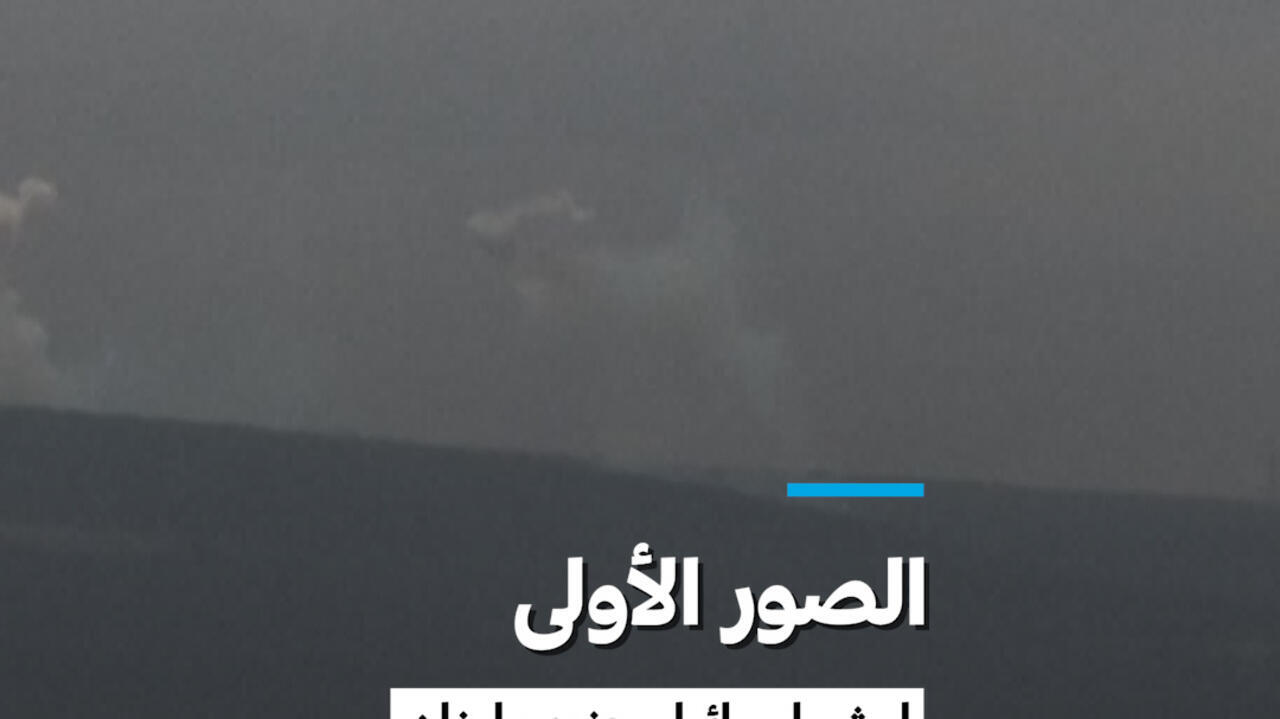
In a serious escalation of military actions, Human Rights Watch revealed that Israel used internationally banned white phosphorus munitions on March 3, 2026, targeting homes in the town of Yuhmur al-Shuqif located in southern Lebanon. This chemical substance, considered a weapon of mass destruction, is typically used to inflict severe damage in residential areas.
Media outlets circulated videos showing Israeli aircraft dropping white phosphorus shells on various areas in Lebanon, including the coastal city of Tyre. White phosphorus is an incendiary substance that reacts with oxygen to produce fire and thick white smoke, leading to severe burns that can reach the bones when humans are exposed to it.
Details of the Incident
This incident comes amid escalating tensions in the region, as Israel continues its military operations in Lebanon. Reports have documented the use of these munitions in populated areas, posing a direct threat to civilian lives. The use of white phosphorus for military purposes is prohibited under international law and represents a clear violation of human rights.
Through these operations, Israel aims to achieve strategic military objectives, yet this comes at the expense of innocent civilian lives. The use of such munitions highlights the escalation of conflict in the region, with growing concerns about the worsening humanitarian situation.
Background & Context
Historically, the region has witnessed numerous armed conflicts where banned weapons have been used. White phosphorus, which has been employed in previous conflicts, is considered a devastating weapon that leaves psychological and physical scars on victims. These practices have drawn widespread criticism from human rights organizations, which have called for accountability for those responsible for these violations.
The town of Yuhmur al-Shuqif is one of the areas that has experienced increasing tensions in recent years, with diverse communities suffering from the effects of ongoing conflict. The use of white phosphorus in this area reflects an unprecedented escalation in Israeli military actions.
Impact & Consequences
The repercussions of using white phosphorus in Lebanon extend beyond military dimensions, directly affecting the daily lives of civilians. The human and material losses resulting from these operations could exacerbate the humanitarian situation, necessitating international intervention to protect civilians.
This use may also provoke strong reactions from Arab countries and the international community, potentially leading to heightened tensions in the region. This event serves as a wake-up call for the international community to act against ongoing human rights violations in armed conflicts.
Regional Significance
This incident is part of a series of events that highlight the ongoing tensions in the region. The use of banned weapons such as white phosphorus is considered a threat to regional security and reflects the instability experienced in the Middle East. This situation could impact relations between Arab states and Israel, intensifying existing conflicts.
Ultimately, the current situation demands urgent action from the international community to ensure the protection of civilians and accountability for those responsible for violations. The continued use of such weapons could worsen the humanitarian situation and increase the suffering of affected populations.