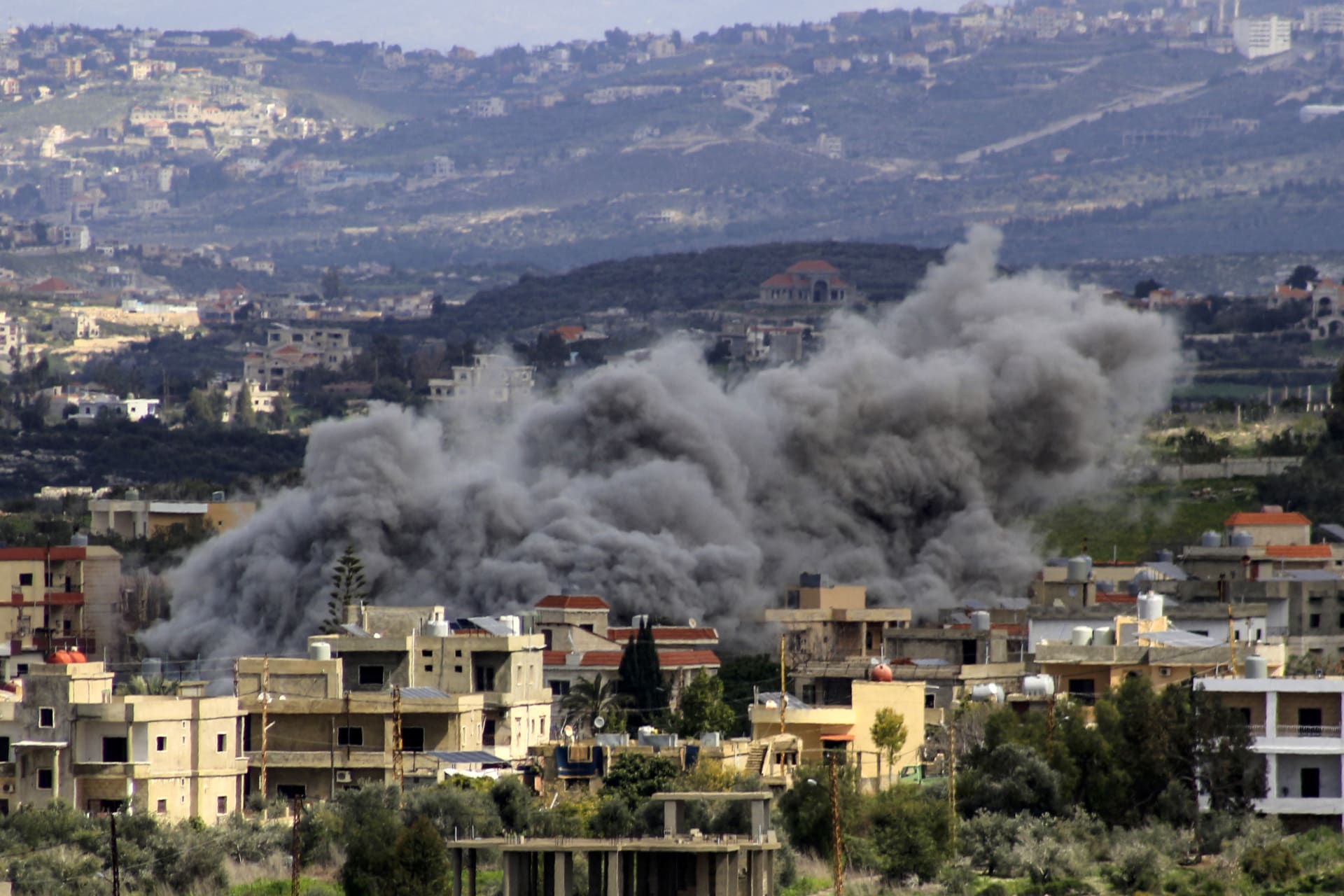
On Wednesday, the Israeli Air Force executed a series of airstrikes targeting Iranian weapons production facilities across multiple regions. The Israeli military confirmed that these operations are part of its ongoing efforts to counter Iranian threats.
The military stated in a press release that the strikes targeted sites believed to be used for the production and storage of weapons, noting that these operations come amid ongoing escalation between Israel and Iran, where the two countries exchange accusations regarding support for armed groups in the region.
Details of the Event
The Israeli military reported that the airstrikes were conducted in several phases, targeting different locations in Iran, including facilities situated in strategic areas. It explained that these strikes are part of an Israeli strategy aimed at undermining Iranian military capabilities, especially in light of increasing tensions in the region.
The military also indicated that these operations were coordinated with intelligence agencies, which provided the Air Force with accurate information about the targeted sites. These airstrikes are considered part of Israel's ongoing efforts to ensure that advanced weapons do not reach armed groups, such as Hezbollah in Lebanon.
Background & Context
Tensions between Israel and Iran have been escalating for several years, with Israel accusing Iran of supporting armed groups in the region, including Hezbollah and Hamas. The relationship between the two countries has seen a notable escalation following the United States' withdrawal from the Iranian nuclear deal in 2018, which led to increased Iranian military activities in the region.
The Iranian nuclear program is also a major point of contention, as Israel seeks to prevent Iran from developing nuclear weapons, which it considers an existential threat. Israel has carried out several military operations against Iranian targets in Syria in an attempt to prevent Iran from bolstering its military presence near the Israeli border.
Impact & Consequences
These airstrikes indicate a potential escalation in the conflict between Israel and Iran, which could provoke military responses from the Iranian side. Tehran has warned that any aggression against its territory will be met with a strong response, increasing the likelihood of a broader military conflict in the region.
Additionally, these operations may affect Israel's relations with Western countries, as Israel seeks international support to counter Iranian threats. These airstrikes could increase pressure on Iran, potentially prompting it to take escalatory steps in its nuclear program or to support armed groups in the region.
Regional Significance
These airstrikes are part of the broader conflict in the Middle East, where Arab countries are directly affected by the tensions between Israel and Iran. The region has witnessed an escalation in armed conflicts, increasing instability in countries such as Iraq, Syria, and Lebanon.
Moreover, these operations may lead to heightened tensions between Arab countries and Iran, as some nations seek to strengthen their alliances with Israel to counter Iranian threats. At the same time, this could escalate sectarian conflicts in the region, complicating the security situation further.
In conclusion, these airstrikes highlight the ongoing conflict between Israel and Iran, reflecting the increasing tensions in the region. As these operations continue, the question remains about how they will impact regional and international stability.