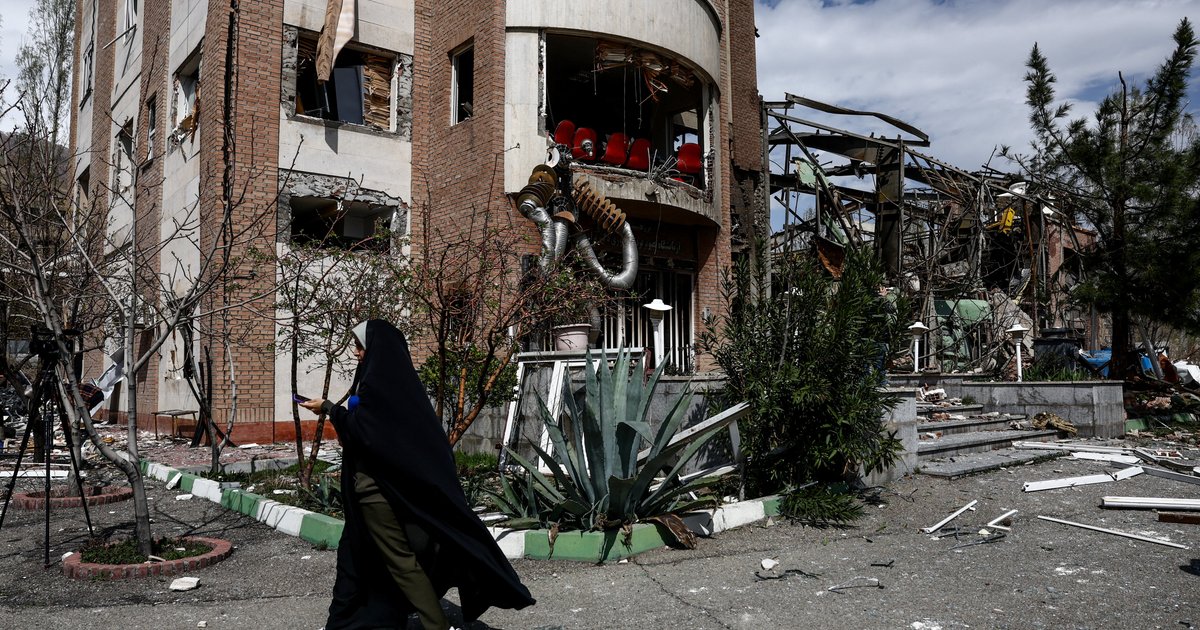
On Sunday, April 6, 2026, the Lebanese capital Beirut experienced Israeli airstrikes that targeted residential areas, leading to extensive destruction and severe property damage. These attacks are part of escalating regional tensions linked to the ongoing conflict between the United States and Israel on one side and Iran on the other.
In the Bar Hassan neighborhood, residents rushed to save their belongings from damaged buildings, with images captured showing the extent of the devastation left by the strikes. Rescue workers were also seen clearing debris in other areas such as the Jnah district, where vehicles and buildings were heavily damaged.
Details of the Incident
Images taken in the aftermath of the airstrikes depict horrific scenes, with people carrying their belongings from the destroyed buildings. Meanwhile, workers were engaged in clearing debris using heavy machinery, reflecting the scale of the disaster that has struck the area.
These airstrikes come at a sensitive time, as tensions between Iran and Israel escalate, raising concerns about a larger regional escalation. Local sources have confirmed that the strikes resulted in injuries to several civilians, exacerbating the suffering of the Lebanese people who are already grappling with economic and political crises.
Background & Context
Historically, Lebanon has witnessed numerous conflicts with Israel, where airstrikes have been part of Israel's military strategies in the region. These attacks have increased in recent years, particularly with the rise of Iranian influence in Lebanon through Hezbollah, which many Western countries view as a threat to regional security.
These events coincide with rising global tensions, as the United States seeks to counter Iranian influence in the Middle East. These dynamics have worsened conditions in Lebanon, causing civilians to bear the brunt of the consequences.
Impact & Consequences
These airstrikes underscore the urgent need for a peaceful resolution to the conflict in the region. As escalation continues, the risk of a full-scale war that could affect neighboring countries and increase civilian suffering grows. Additionally, the damage to infrastructure will impact Lebanon's ability to recover from its economic crises.
The military escalation in Lebanon raises concerns among Arab nations, as many fear it could destabilize the entire region. This situation may also hinder peace efforts and increase tensions between regional powers.
Regional Significance
The situation in Lebanon serves as an indicator of the challenges faced by Arab countries in dealing with regional tensions. With conflicts on the rise, it is essential for Arab nations to collaborate to protect their interests and stability. Events in Lebanon could affect relations between Arab countries and Iran, complicating the political landscape in the region.
In conclusion, the situation in Lebanon remains under close observation, as the world looks to see how events unfold. The need for dialogue and understanding among the involved parties has become more urgent than ever.