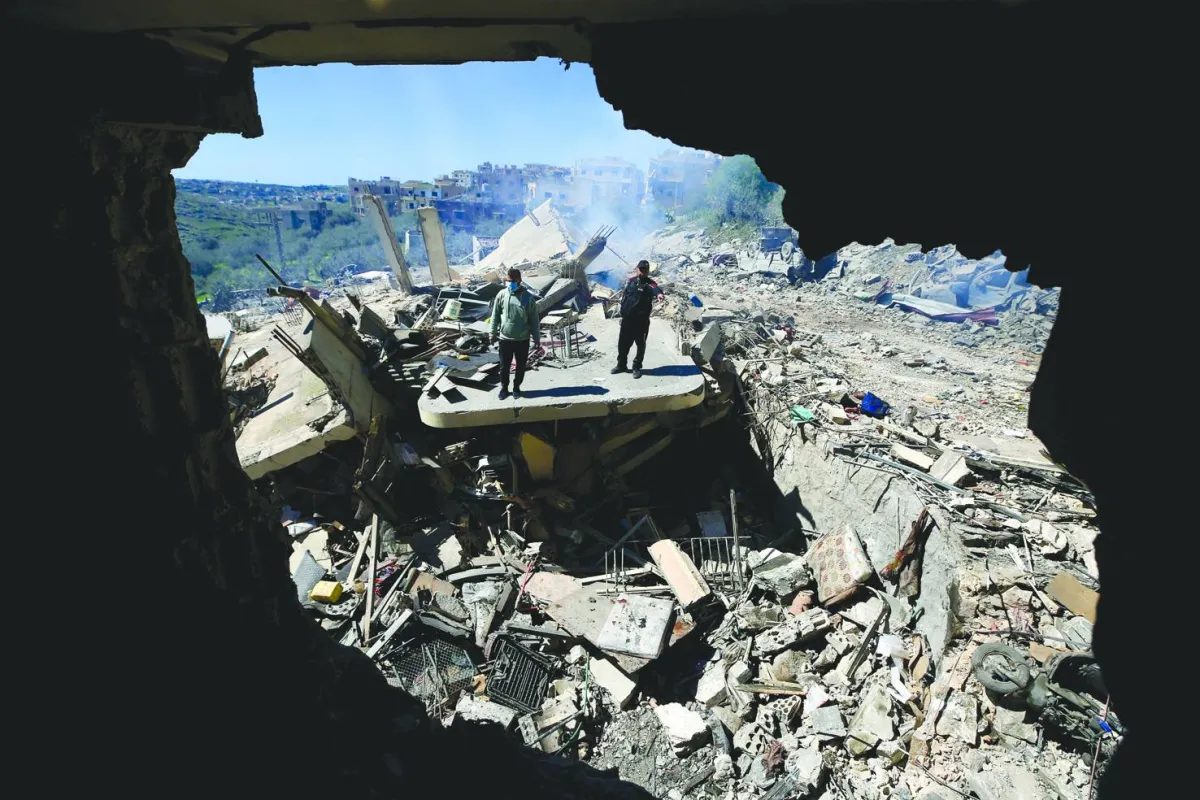
The Israeli military announced today, Sunday, the execution of a series of large-scale airstrikes in southern Lebanon, targeting facilities related to the Lebanese group Hezbollah. According to a statement from the military spokesperson, Avichai Adraee, the airstrikes resulted in the death of Abu Khalil Burji, commander of the special forces in the 'Radwan Force', along with other members of the group.
Adraee stated via the X platform: "The army has just begun a wave of broad strikes targeting the terrorist infrastructure of Hezbollah in southern Lebanon." The strikes, which extend to various areas, represent a significant escalation in Israeli attacks against Hezbollah, while Adraee confirmed that the military will continue to operate resolutely against the organization, emphasizing that it will not allow any harm to Israeli citizens.
The killing of Burji, who had been active in the 'Radwan Force' unit in recent years and led operational plans against the Israeli army, highlights the significance of the ongoing military pressure exerted by Israel against this unit. Adraee described Burji as being responsible for planning and executing operations targeting Israeli soldiers.
These events come amid reciprocal military escalation, with the southern regions of Lebanon undergoing intensive bombardment by the Israeli air force after Hezbollah responded by firing at Israeli sites. These events erupted following the killing of former Iranian leader Ali Khamenei, leading to an escalation of tensions against Israeli targets.
Since the onset of military operations, Hezbollah has faced significant pressure, resulting in heightened confrontations. The Israeli army announced the death of over 350 individuals believed to be Hezbollah militants, including 15 prominent leaders.
This escalation is not confined to the borders of Lebanon, but is part of a broader context that includes tensions between the United States and Iran. In this context, Iran has accused Israel and the United States of targeting its vital water and energy infrastructure, increasing tensions and steering the situation toward a wider military confrontation.
As Israeli military pressures continue, Iran seeks to mitigate the damage it has sustained through reform programs despite cyber and military attacks. Reports indicate that Iranian forces have fired over 400 rockets towards Israel since the escalation began, with Israeli defenses successfully intercepting most of these missiles at a success rate of 92%.
This necessitates close monitoring by neighboring Arab countries, especially since the events could significantly impact regional balance. The increasing tensions between Israel and its allies on one side, and Hezbollah and Iran on the other, threaten to ignite a larger conflict that could extend its effects to various countries in the region.