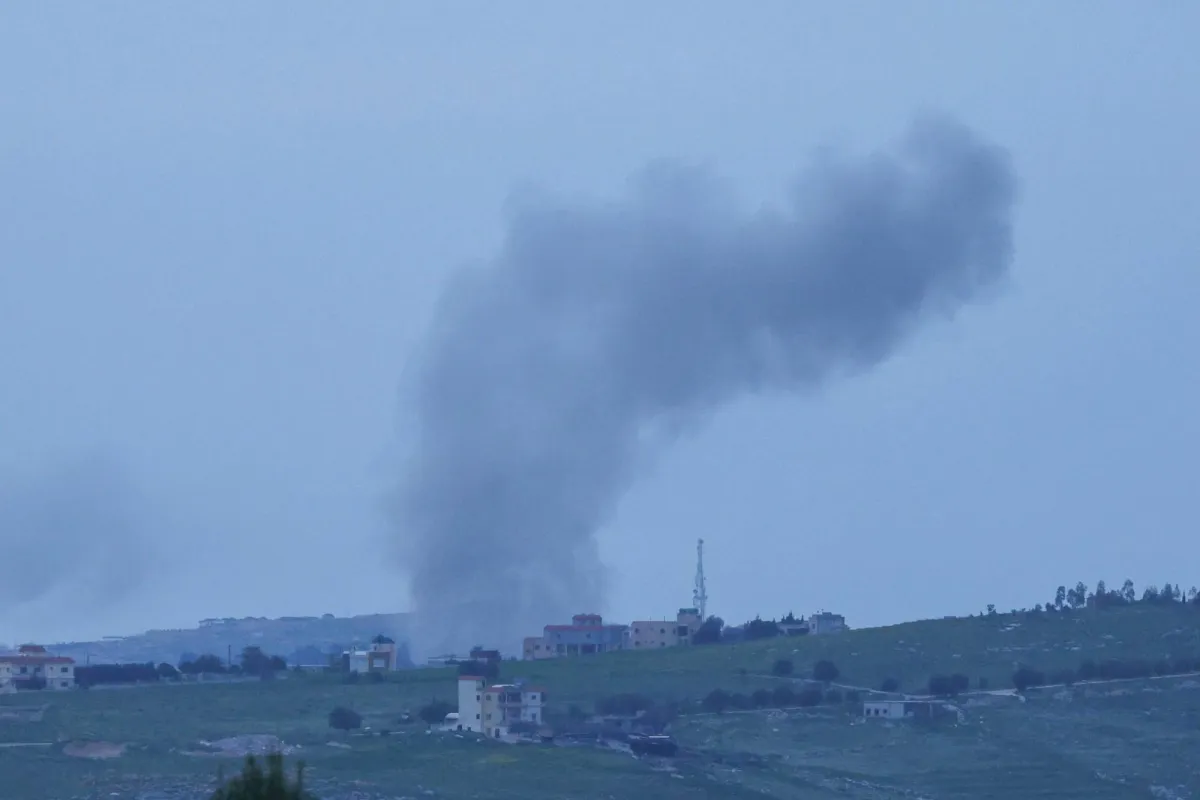
Israeli airstrikes persisted today in southern Lebanon, leading to casualties among civilians. These strikes are part of a daily pattern of clashes along the border, where tensions between Israel and Hezbollah are escalating.
At the same time, Hezbollah fighters launched rockets and drones towards northern Israel, triggering air raid sirens in border areas, according to Israel's Home Front Command. Despite the escalation, there have been no reports of injuries or damage on the Israeli side.
Details of the Incident
Hezbollah announced its targeting of Israeli positions through rocket launches and drone attacks, directing these assaults at Israeli forces in border areas. The group also reported the downing of an Israeli drone over southern Lebanon, further heightening tensions in the region.
These developments follow statements from Israeli Defense Minister Yoav Gallant, who announced the Israeli military's intention to establish a security zone within Lebanon, extending to the Litani River, a move that reflects a clear military escalation. This announcement provoked strong reactions from the Lebanese side, with Lebanese Defense Minister Michel Aoun stating that these remarks indicate a clear intention to impose a new occupation on Lebanese territory.
Background & Context
The Lebanese-Israeli border has seen military escalation since the onset of the war with Hezbollah on March 2, with Israeli airstrikes on Lebanon resulting in over 1,300 fatalities, according to the Lebanese Ministry of Health. These figures indicate a worsening humanitarian situation in Lebanon, where more than 1 million people have been displaced from their homes due to ongoing bombardments.
Historically, the region has experienced recurring tensions between Israel and Hezbollah, especially amid the ongoing conflict since 2006. Recent events have contributed to an increase in clashes, raising concerns about the potential for greater escalation in the future.
Impact & Consequences
Israeli statements confirm an intention to expand military operations, which could lead to a larger escalation in the conflict. This escalation affects not only Lebanon but also extends its impact across the region, potentially destabilizing neighboring countries.
The mass displacement of populations from border areas increases humanitarian burdens, necessitating urgent international response. Simultaneously, these events raise fears of military escalation that could drag the region into a broader conflict, especially with the involvement of regional and international powers concerned with the dispute.
Regional Significance
The current events in southern Lebanon signal a rise in regional tensions, warranting Arab and international attention. The deteriorating humanitarian conditions in Lebanon require urgent support from Arab nations, while military threats remain prevalent.
Under these circumstances, Arab nations must enhance diplomatic efforts to resolve the conflict and provide humanitarian assistance to those affected by the fighting. Continued escalation could have negative repercussions on security and stability in the region, necessitating swift action from the international community.