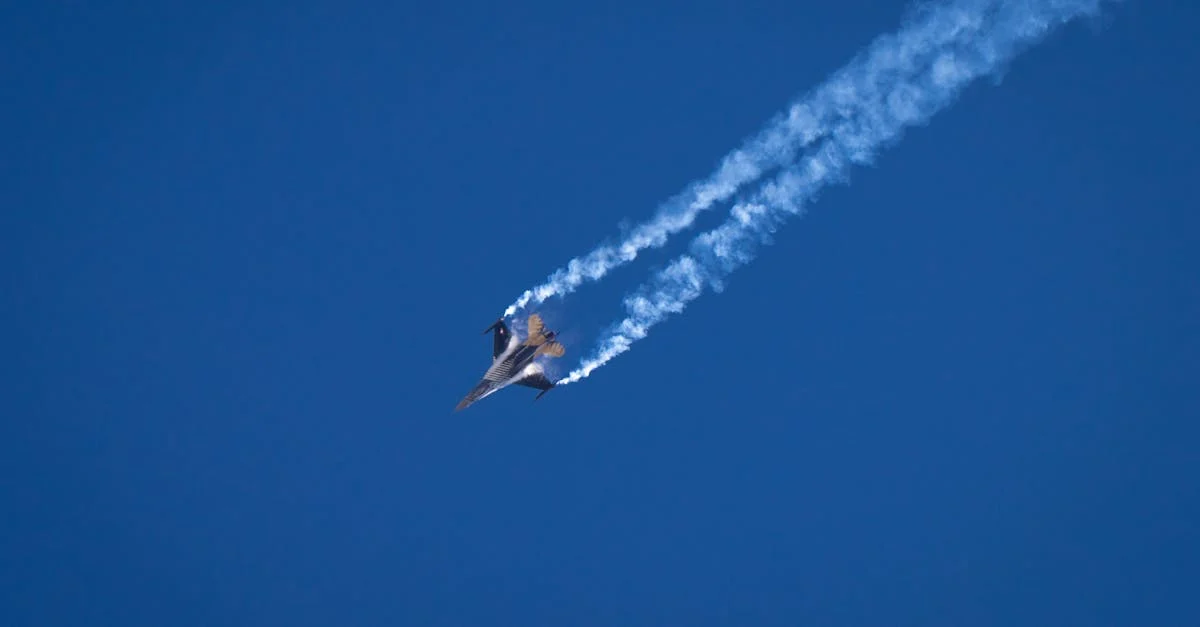
On Sunday, the Israeli army announced that its air force had carried out over 2000 airstrikes as part of ongoing military operations in southern Lebanon. These airstrikes are intended to support ground forces that continue their advance in the region, leading to several casualties in the town of Kfarhatta.
Tensions in the area are escalating as the Israeli army seeks to achieve its military objectives against what it perceives as threats from Hezbollah. Reports indicate that the airstrikes targeted multiple sites, reflecting an Israeli strategy aimed at weakening Hezbollah's military capabilities.
Details of the Incident
These airstrikes come at a sensitive time, with unprecedented escalation along the Lebanese-Israeli border. Eyewitnesses reported that the strikes targeted residential areas as well as military sites, resulting in widespread destruction. The Israeli army stated that these operations are part of its response to attacks launched by Hezbollah against Israeli targets.
Israeli military operations in Lebanon are not new, but they have seen a significant escalation recently. Reports have shown that the number of airstrikes has dramatically increased, reflecting the rising tensions in the region.
Background & Context
Historically, relations between Lebanon and Israel have been marked by ongoing tensions, especially following the wars that erupted between the two sides. Hezbollah, which is considered one of the main factions in Lebanon, continues its resistance against Israel, complicating the security situation in the region.
The roots of the conflict date back decades, with the aftermath of previous wars still casting a shadow over the relations between the two countries. As events escalate, concerns grow about the potential for a wider conflict in the region.
Impact & Consequences
Recent developments suggest that military escalation could have serious implications for regional security. The Israeli airstrikes may provoke reactions from Hezbollah, further intensifying the conflict and affecting stability in Lebanon and the region as a whole.
These events could also impact international relations, as major powers closely monitor the situation. Some countries may intervene to mediate, but current tensions could complicate peace efforts.
Regional Significance
The ongoing events in Lebanon are indicative of rising tensions in the Arab region. Any escalation in Lebanon could affect neighboring countries and increase instability in the Middle East.
Furthermore, the situation in Lebanon may influence relations between Arab countries and Israel, as the Palestinian issue and other regional conflicts remain at the forefront of concerns.
In conclusion, the situation in Lebanon remains under scrutiny, with observers expecting Israeli airstrikes to continue as part of its military strategy, further complicating the security landscape in the region.