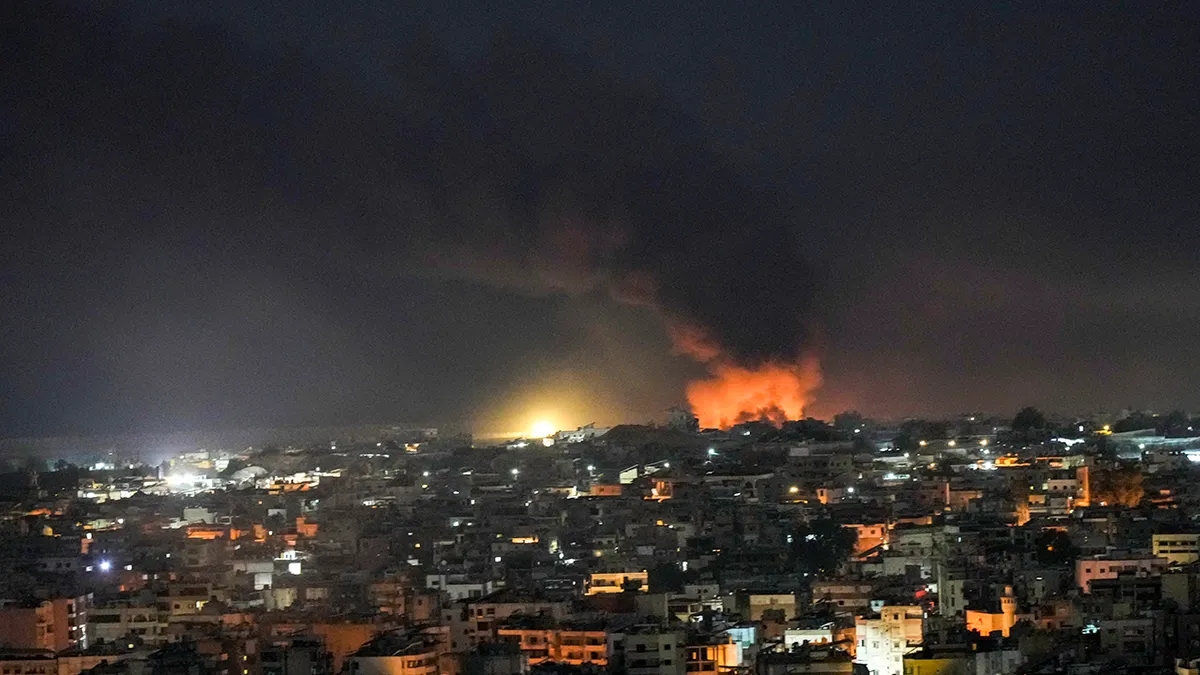
Israeli warplanes have launched the most extensive airstrikes since the beginning of the conflict, targeting multiple areas in Lebanon, including Beirut, the southern suburbs, and the Bekaa Valley. These attacks come at a sensitive time as tensions in the region escalate.
These strikes represent a significant escalation in the ongoing conflict, focusing on strategic targets believed to be linked to Lebanese resistance. The airstrikes have caused substantial damage to infrastructure, exacerbating the suffering of civilians in those areas.
Details of the Event
According to local sources, the airstrikes targeted military sites and weapon storage facilities, as well as residential areas. The sound of explosions was heard throughout the Lebanese capital, creating a state of panic among residents. Reports also indicated civilian casualties, further complicating the humanitarian situation in the country.
Military analysis suggests that these airstrikes may be part of a broader Israeli strategy aimed at undermining the resistance's ability to respond should the conflict escalate. Aerial images have shown the extent of the destruction in the targeted areas, reflecting the intensity of the attacks.
Background & Context
The history of the conflict between Israel and Hezbollah spans decades, with the region witnessing numerous wars and disputes. Since the outbreak of the latest war, the intensity of fighting has increased, leading to a worsening humanitarian situation in Lebanon. This escalation is seen as part of a series of events that began after mutual attacks between the two sides, which resulted in a deterioration of the security situation.
It is important to note that Lebanon is suffering from severe economic and social crises, making the situation even more complex. The Israeli airstrikes come at a critical time as Lebanon seeks to restore its internal stability amid multiple challenges.
Impact & Consequences
Analysts expect these airstrikes to lead to further escalation in the conflict, potentially dragging the region into greater chaos. The humanitarian impacts will be evident, as civilians continue to suffer from the ongoing conflict's repercussions.
International responses to these attacks could be crucial, with some countries likely to call for restraint and an avoidance of escalation. However, the situation may remain tense, increasing the risks of new confrontations.
Regional Significance
These events directly affect security and stability in the Arab region. The escalation of the conflict between Israel and Hezbollah could have negative repercussions for neighboring countries, especially given the fragile political situations in some Arab nations.
Furthermore, these airstrikes may evoke memories of past wars, heightening concerns among Arab populations about the future of the region. Under these circumstances, the hope for achieving peace remains distant.