Two prominent leaders in the Lebanese Hezbollah's liaison unit were killed during a series of airstrikes targeting locations in Beirut, as announced by the Israeli army. These strikes are part of an escalation of Israeli military operations within Lebanese territory, with Lebanese media reports indicating that nine people were killed in the airstrikes, including five paramedics.
The Israeli army clarified that the strikes, conducted last night, targeted dozens of Hezbollah's infrastructure, resulting in the deaths of Ayyoub Hussein Yaqub and Yasser Muhammad Mubarak, both of whom are significant leaders in the liaison unit. It is noted that Mubarak held a position in the party's missile unit, while Yaqub played a leadership role in developing the capabilities of this unit.
Details of the Event
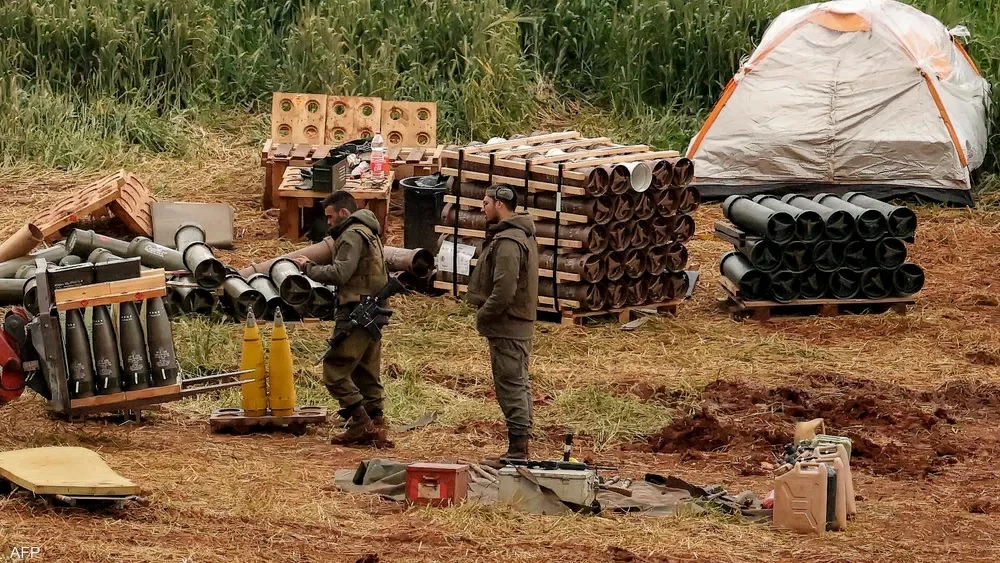
The Israeli army executed simultaneous air and naval attacks targeting dozens of sites in various areas of southern Lebanon, aimed at supporting ground forces and reducing Hezbollah's military capabilities. The strikes targeted weapon depots and rocket launch platforms, in addition to military buildings and other infrastructure, indicating an expansion of operations to include multiple targets deep within Lebanon.
The Israeli army also reported the downing of four drones that breached northern airspace, with three being intercepted, while the fourth fell in the Yokneam area after a chase, without any reported injuries. Israeli army spokesperson Avichai Adraee issued an urgent warning to residents of several villages in southern Lebanon, urging them to evacuate their homes and head north of the Zahrani River, warning that military operations would continue in those areas.
Background & Context
The Lebanese-Israeli border has been experiencing increasing tension for some time, with military activities escalating from both sides. Hezbollah, which is considered a prominent military and political force in Lebanon, has declared its readiness to confront any Israeli aggression. Conversely, Israel seeks to diminish the party's influence and prevent any potential threats to its national security.
Historically, the region has witnessed numerous armed conflicts between Hezbollah and Israel, with each side having its own strategies for dealing with crises. The recent airstrikes come at a sensitive time, as fears of a larger escalation that could affect the stability of the entire region are growing.
Impact & Consequences
The recent Israeli military operations may lead to a greater escalation in the conflict between the two sides, increasing tensions in the region. Additionally, the deaths of prominent Hezbollah leaders may impact the leadership structure within the party, potentially altering its military and political strategies in the future.
On the other hand, these events may lead to serious humanitarian consequences, as civilians in the targeted areas are at risk due to the military escalation. The evacuation of villages may increase the suffering of local populations, reflecting the deteriorating humanitarian situation in Lebanon.
Regional Significance
The repercussions of these events extend beyond Lebanese borders, raising concerns about the escalation of armed conflicts in the region. Neighboring Arab countries are closely monitoring the situation, as any escalation could affect regional security and reopen wounds from past conflicts.
Under these circumstances, the international community must intervene to mitigate the escalation and ensure the protection of civilians. Political dialogue may be the only way to avoid further violence and achieve stability in the region.