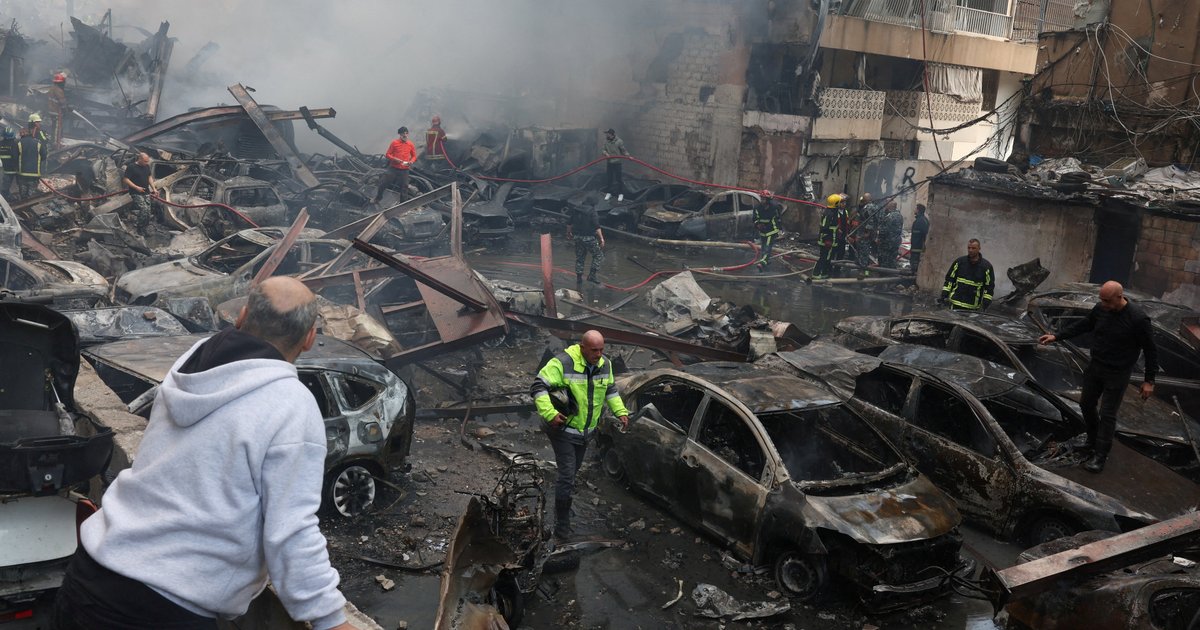
In a striking statement, Israeli Defense Minister Israel Katz confirmed that recent airstrikes targeting Lebanon led to the deaths of "hundreds" of Hezbollah fighters. This announcement was made in a video statement released by Katz, who noted that the strikes targeted more than 60 sites in the capital Beirut, making it one of the largest assaults the group has faced since the "Exploding Bell" operation in 2024.
Katz further emphasized that these strikes represent the "largest concentrated blow" Hezbollah has endured, warning the group's leader Naim Qassem that "his time will come," indicating a notable escalation in tensions between the two sides.
Details of the Strikes
These airstrikes come at a highly sensitive time, as tensions in the region are escalating. Reports from the United Nations High Commissioner for Refugees (UNCHR) have documented the damage inflicted on the targeted sites, reflecting the extent of destruction caused by these operations.
Hezbollah is considered one of the main powers in Lebanon, playing a significant role in the conflict with Israel. Since its establishment in the 1980s, the group has faced numerous Israeli attacks but has managed to endure and adapt to changing circumstances. However, these recent strikes suggest a shift in Israeli strategy towards the group.
Background & Context
Historically, Lebanese-Israeli relations have been marked by ongoing tensions, especially since the 2006 war that resulted in widespread destruction in Lebanon. Since then, Israel has sought to diminish Hezbollah's influence in the region, leading to a series of attacks and military operations.
The Israeli pressure on Hezbollah is part of a broader strategy aimed at enhancing Israeli security amid rising threats from armed groups in the region. Recent events have shown that Israel is prepared to escalate its operations against Hezbollah, which could lead to a larger escalation in the conflict.
Impact & Consequences
The potential repercussions of these airstrikes could be far-reaching. The death of a significant number of Hezbollah fighters may provoke a strong reaction from the group, intensifying the conflict in the region. Additionally, this escalation could impact stability in Lebanon, which is already grappling with economic and political crises.
Moreover, these events may lead to new international interventions, as major powers seek to calm the situation and prevent further escalation of the conflict. The situation in Lebanon could become more complicated if Israeli attacks continue, potentially dragging the region into a wider conflict.
Regional Significance
This military escalation is a clear indicator of rising tensions in the region and could lead to significant changes in regional dynamics. The ongoing conflict poses risks not only to Lebanon but also to neighboring countries, as the repercussions of heightened hostilities can spill over borders.
In conclusion, the situation remains precarious, and the international community must closely monitor developments to mitigate the risk of further escalation and its implications for regional stability.