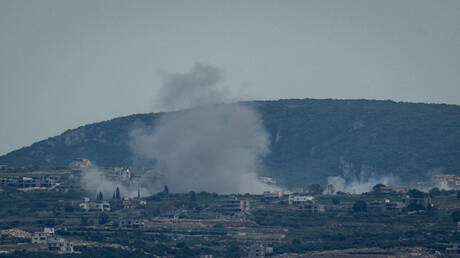
Southern Lebanon has witnessed an escalation of Israeli military actions, including airstrikes and artillery shelling, prompting a warning for the evacuation of 16 villages in the area. The increased presence of warplanes has heightened tensions significantly, with aircraft reaching the skies over the capital, Beirut.
This escalation comes at a sensitive time, as fears grow regarding the potential intensification of conflict in the region. The Israeli airstrikes targeted sites believed to be associated with Hezbollah, raising questions about the strategic implications of this attack.
Details of the Incident
Local sources reported that the airstrikes began in the early hours of dawn and continued throughout the day, targeting several locations in southern Lebanon. The artillery shelling was accompanied by intensive aircraft activity, leading to panic among local residents.
The Israeli army stated that these operations are a response to potential threats from the Lebanese side, emphasizing that it will not hesitate to take necessary measures to protect its security.
Background & Context
Historically, the Lebanese-Israeli border has experienced repeated tensions, particularly with the increased military activities of Hezbollah. These events occur amidst complex political circumstances in Lebanon, where the country is grappling with severe economic and social crises.
In recent years, confrontations between Israel and Hezbollah have intensified, raising international concerns about the stability of the region. These airstrikes are seen as part of a broader Israeli strategy aimed at undermining Hezbollah's military capabilities.
Impact & Consequences
The military escalation could exacerbate the humanitarian situation in southern Lebanon, where residents live under constant pressure from conflicts. The evacuation of villages may increase the number of displaced individuals, worsening existing humanitarian crises.
Moreover, these events could affect relations between Lebanon and Israel, with the Lebanese government expected to respond to these airstrikes, potentially leading to further escalation in the conflict.
Regional Significance
This military escalation highlights the tense conditions in the region, where many Arab countries are suffering from internal and external conflicts. The continuation of these tensions could negatively impact peace and stability efforts in the Middle East.
In conclusion, the events in southern Lebanon reflect the ongoing challenges facing the region and underscore the urgent need for diplomatic solutions that ensure security and stability for all parties involved.