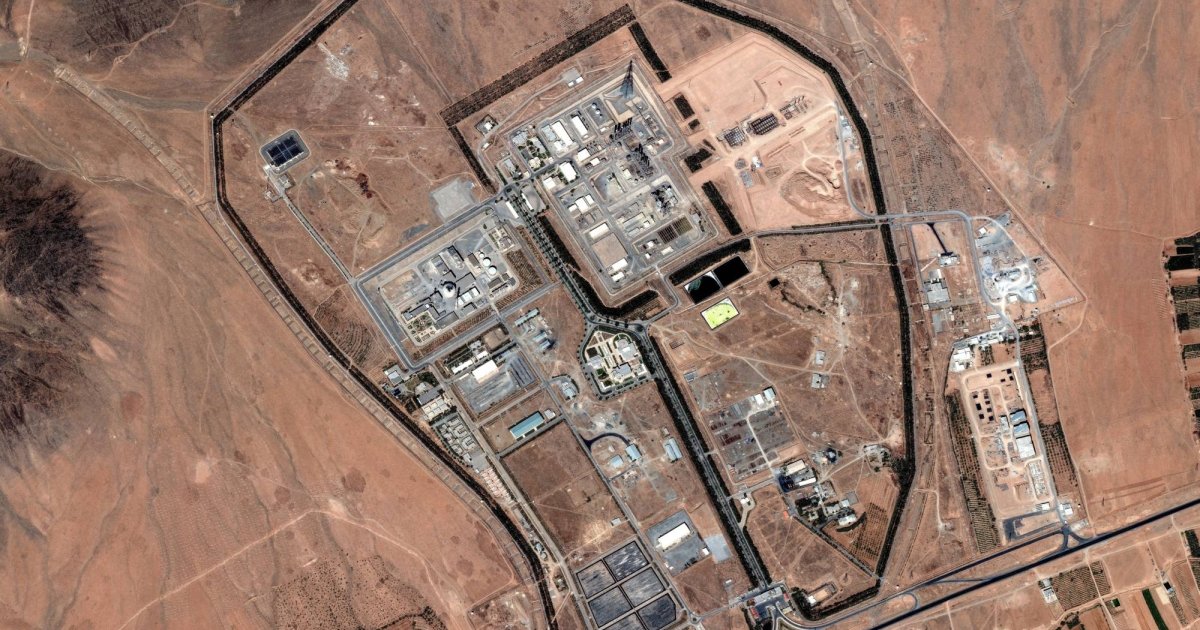
Israeli warplanes have targeted the Arak nuclear reactor in Iran, provoking widespread international reactions. This attack comes at a sensitive time as tensions in the region escalate, and it appears that Israel is seeking to undermine Iran's nuclear program before it develops further.
The reactor, which is one of Iran's most prominent nuclear facilities, has previously been subjected to several attacks, but these recent airstrikes occur within a changing context of nuclear negotiations and increasing regional tensions.
Details of the Incident
Reports indicate that the Israeli airstrikes directly targeted the reactor, causing significant damage to the facility. Although Iranian authorities have not disclosed precise details about the damage, experts believe that the attack could significantly impact Iran's ability to advance its nuclear program.
These airstrikes follow a series of aggressive statements from Israeli officials, who have repeatedly emphasized the necessity of preventing Iran from acquiring nuclear weapons. They have indicated that military action is the only available option to ensure Israel's security.
Background & Context
The Arak reactor, established in 2006, has been a focal point of international controversy from the outset. It was designed to produce plutonium, a material that can be used in nuclear weapons. In 2015, a nuclear agreement was reached between Iran and major powers, under which some of Iran's nuclear activities were suspended in exchange for sanctions relief.
However, following the United States' withdrawal from the agreement in 2018, Iran resumed its nuclear activities, raising concerns within the international community. The Israeli airstrikes have complicated the situation further, as Iran seeks to enhance its nuclear program amid increasing pressures.
Impact & Consequences
The Israeli airstrikes on the Arak reactor represent a serious escalation in the conflict between Iran and Israel. These attacks could provoke military responses from Iran, heightening tensions in the region. Additionally, these events may impact ongoing nuclear negotiations, potentially complicating efforts to revive the nuclear agreement.
Moreover, these airstrikes could increase international support for Israel in light of its concerns over the Iranian nuclear program, but they may also provoke criticism from countries advocating for dialogue and diplomacy.
Regional Significance
These events have significant implications for regional security, as they raise concerns among Arab states about escalating military tensions. The Israeli airstrikes could motivate other countries in the region to bolster their military capabilities, increasing the likelihood of new conflicts.
Furthermore, the tense situation may affect relations between Arab states and Iran, as some countries may seek to strengthen their alliances with Israel in response to Iranian threats. Ultimately, these events could serve as a turning point in regional relations.