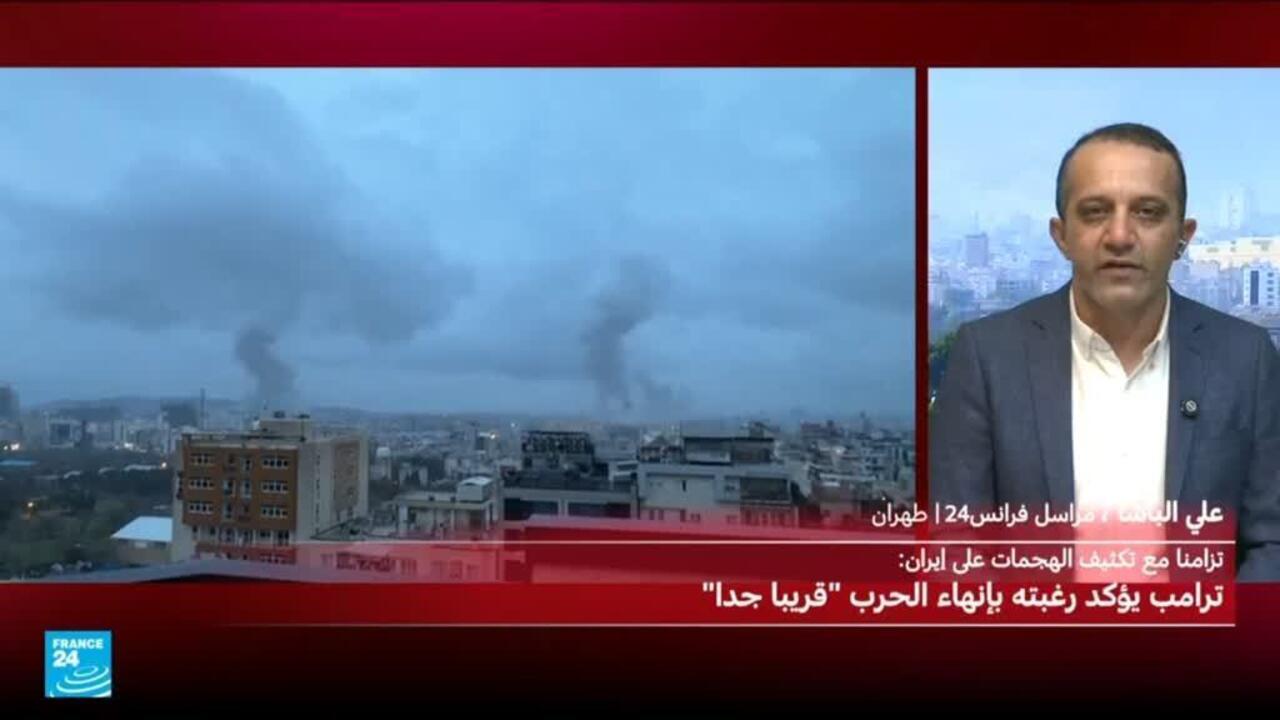
On Wednesday, Israeli forces conducted a wave of airstrikes targeting industrial facilities belonging to the Iranian regime in the capital, Tehran, and the city of Isfahan. Iranian state television reported strong explosions in northern, eastern, and central Tehran, indicating that these attacks occur in the context of escalating regional tensions.
Simultaneously, the Israeli army announced that it executed these strikes as part of its strategy to counter increasing Iranian threats. The army confirmed that its air defenses were on high alert, with sirens activated to intercept missiles launched from Iranian territory.
Details of the Incident
These airstrikes come just days after the Iranian Revolutionary Guard threatened to target major American technology companies, such as Apple, Google, Meta, and Tesla, should their leaders face further assassination attempts. This escalation in Iranian rhetoric reflects a growing concern in Tehran regarding the security situation in the region.
The Iranian television also noted that the attacks did not result in injuries or significant damage, but it did not provide precise details about the specific targets that were hit. For its part, Israel has not disclosed detailed information about the targets but emphasized the importance of these operations in enhancing its national security.
Background & Context
These events coincide with rising tensions between Iran and the United States, as the region witnesses multifaceted conflicts. For over a month, the war in the region has continued, exacerbating tensions among regional and international powers.
Historically, Iran and Israel have been in a continuous state of conflict, with Israel accusing Iran of supporting armed groups that threaten its security. This recent escalation comes at a sensitive time, as major powers seek to revive the nuclear agreement with Iran, which raises concerns among some countries in the region.
Impact & Consequences
These airstrikes are expected to escalate tensions between Iran and Israel, potentially negatively impacting regional security. Additionally, the threats from the Iranian Revolutionary Guard may provoke reactions from American companies, complicating economic relations between the United States and Iran.
Moreover, these events could affect global markets, particularly in the energy and technology sectors, where Iran is a key player in the oil market. Any escalation in the conflict could lead to rising oil prices and increased instability in financial markets.
Regional Significance
The ongoing events in Iran have a direct impact on Arab countries, especially those suffering from internal conflicts or tensions with Iran. Gulf countries, in particular, are closely monitoring these developments, as they may lead to changes in their security and defense strategies.
In light of these circumstances, Arab countries must take proactive steps to enhance their security and stability, especially given the increasing threats from Iran. Strengthening cooperation among Arab nations may also be essential to address shared security challenges.
In conclusion, the situation in Iran remains a focal point for the world, as countries await upcoming developments and their impact on regional and international security.