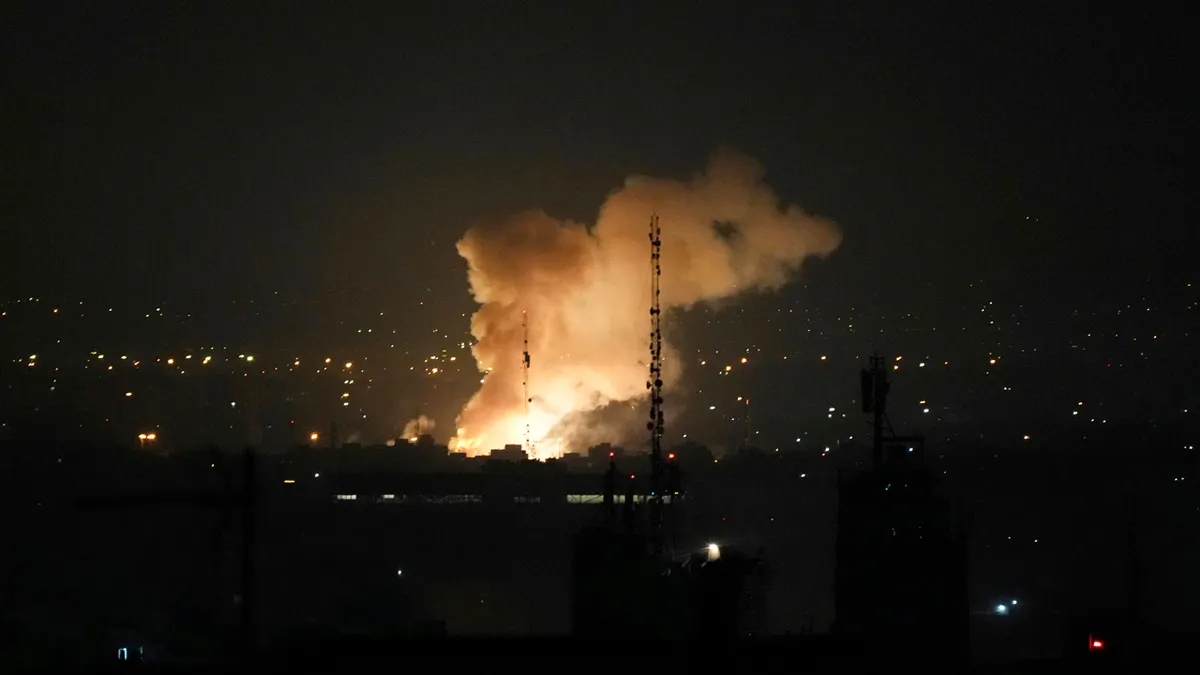
On Saturday, the Israeli Air Force conducted airstrikes targeting military infrastructure in three different locations within Iran, employing over 50 warplanes in these operations. These strikes come at a sensitive time, as tensions between Israel and Iran have escalated in recent years, particularly concerning Iran's nuclear program.
The Israeli military did not provide specific details about the targeted sites, but reports indicate that they include facilities linked to Iran's military capabilities. These airstrikes are part of an Israeli strategy aimed at preventing Iran from enhancing its military strength, especially amid growing concerns over Tehran's development of nuclear weapons.
Details of the Event
In an unprecedented move, Israel executed these airstrikes early Saturday morning, as Israeli warplanes detected suspicious movements at the targeted sites. The attacks were carried out with high precision, reflecting the advancement of Israeli military capabilities in conducting complex operations within Iranian territory.
These strikes follow a series of hostile statements between Israeli and Iranian officials, with Tel Aviv accusing Tehran of threatening its national security by supporting armed groups in the region and developing a nuclear program that is considered a direct threat.
Background & Context
Historically, relations between Israel and Iran have been increasingly strained since the Iranian Revolution in 1979, with Israel considering Iran one of its greatest threats to security. These tensions have notably intensified following the signing of the Iranian nuclear agreement in 2015, which Israel viewed as granting Iran a green light to develop its nuclear program.
In recent years, Israel has intensified its operations against Iranian targets in Syria and Lebanon, seeking to undermine Iranian influence in the region. These operations are part of a comprehensive strategy aimed at protecting Israeli borders from any potential threats.
Impact & Consequences
These airstrikes are expected to escalate tensions between Iran and Israel, with Tehran likely to respond to these strikes with retaliatory operations against Israeli interests in the region. Additionally, these events may impact relations between Iran and Western countries, especially amid ongoing discussions regarding Iran's nuclear program.
Iran is seeking to bolster its military capabilities in response to Israeli threats, and these strikes may lead to increased Iranian support for armed groups in the region, potentially exacerbating security conditions in the Middle East.
Regional Significance
These Israeli airstrikes represent a significant development in the regional conflict, potentially affecting the stability of the Arab region as a whole. Arab countries experiencing tensions with Iran, such as Saudi Arabia and the UAE, may view these strikes as an opportunity to strengthen their alliances with Israel in the face of the Iranian threat.
Moreover, these events could lead to heightened tensions among major powers in the region, with the United States possibly seeking to enhance its military presence in the Gulf to protect its allies from any potential Iranian retaliation.
In conclusion, the situation in the Middle East remains tense, as Israel continues its operations against Iranian targets, increasing the likelihood of military escalation in the region. The current situation requires Arab nations to take decisive stances to address the growing security challenges.