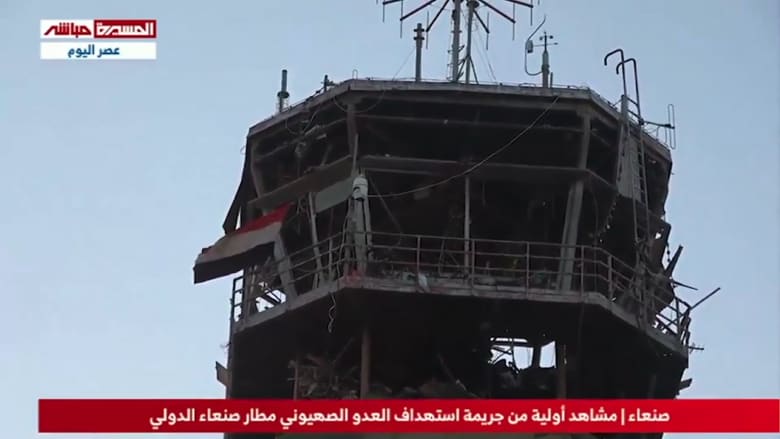
In a serious escalation of events, the Israeli army announced in the early hours of Sunday that it had launched focused airstrikes in the heart of the Iranian capital, Tehran. This attack comes shortly after two Iranian rockets targeted cities in southern Israel, provoking harsh reactions from the Israeli side.
According to sources within the Israeli army, the strikes are aimed at military and essential sites in Tehran, marking one of the most notable escalations in relations between Tel Aviv and Tehran in recent times. Israel has bolstered its defense position in the south after detecting these rocket attacks attributed to militias linked to Iran.
In the context of the attack, initial reports indicated that several projectiles landed near the cities of Ashkelon and Netanya, causing panic among residents and prompting Israeli forces to prepare for further potential attacks. Despite Israel's high capability for retaliation, the recent strikes on Tehran may indicate a shift in confrontation strategies between the two sides and could represent a turning point in the ongoing long-term conflict.
Tensions between Iran and Israel are not new, but they have noticeably increased in recent weeks, especially with the rise in hostile rhetoric from both sides. This follows Iranian threats to expand the scope of its retaliatory attacks, particularly after accusations were leveled against Israel for undermining regional security.
Many experts point to the danger of escalating this confrontation into a comprehensive military conflict, which would impact the stability of the entire region. If reciprocal strikes continue, the cycle of violence could expand to include other armed factions linked to Iran, such as Hezbollah, which could retaliate from Lebanon or even Gaza, complicating the security landscape in the region.
This type of conflict makes achieving any form of peace or stability in the Middle East very challenging. While some major powers are working to mediate and ease the tensions, local and regional factors remain obstacles to any negotiations.
The historical context of these confrontations is crucial, as the ongoing attacks reflect a serious desire from both sides to showcase their power. On the Iranian side, the regime continually seeks to enhance its regional stature by demonstrating its capacity for retaliation, while Israel seeks to safeguard its security against any threats. However, the roots of these crises go back over three decades, with both sides exchanging accusations and military tactics to shift the balance of power in the region to serve their strategies.
Recent events indicate a process of escalation that could lead to a larger military conflict, while the ramifications of these confrontations continue to adversely affect the peoples in both Iran and Israel, alongside the direct impact on neighboring areas, which already suffer from ongoing conflicts and disputes.
The rising tide of hostilities presents a real challenge for international powers advocating peace in the Middle East, prompting the international community to rethink its strategies for supporting diplomatic solutions.