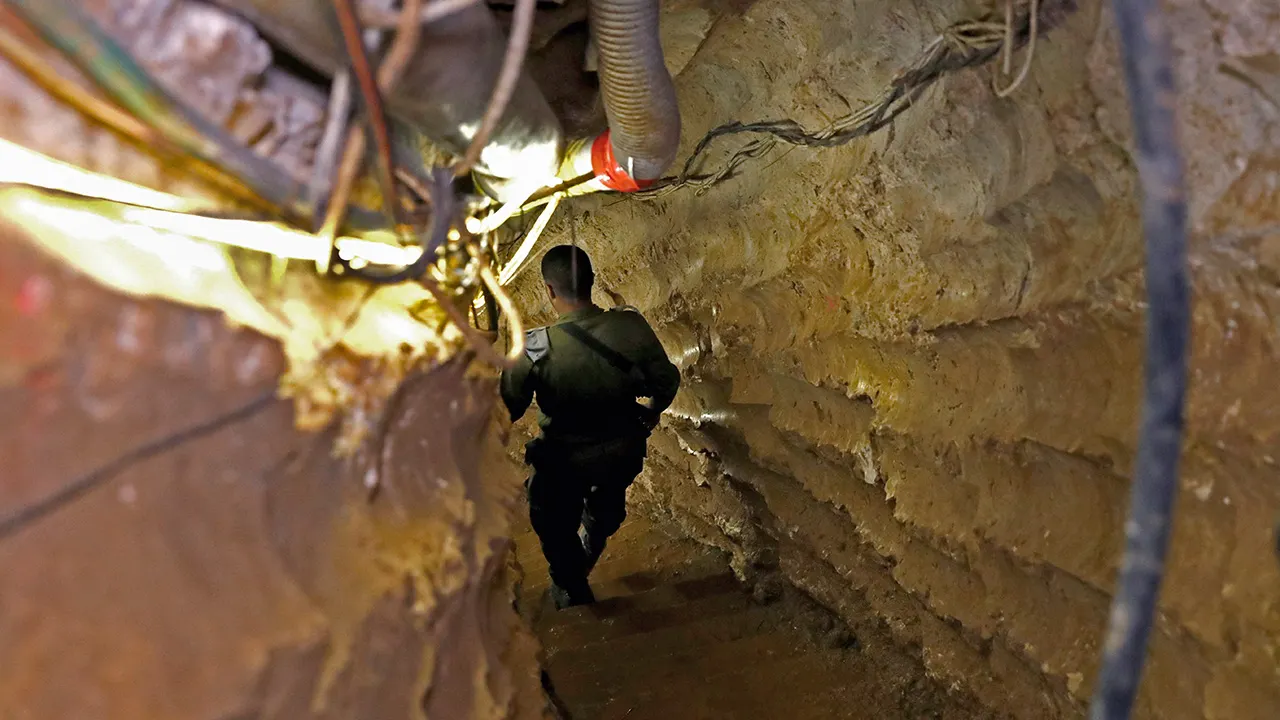
Israeli Prime Minister Benjamin Netanyahu announced on Tuesday that the Israeli army successfully detonated a tunnel described as "massive" belonging to Hezbollah. Netanyahu confirmed that military operations will continue with the aim of destroying the party's infrastructure and directly targeting its members.
These statements come amid escalating tensions between Israel and Hezbollah, as the Israeli army seeks to enhance the security of the country's northern borders. Netanyahu noted that these operations are part of a comprehensive strategy to confront the threats posed by the Iran-backed group.
Details of the Event
In this context, Netanyahu clarified that the tunnel destroyed is part of a complex network used by Hezbollah for transporting weapons and ammunition, posing a threat to Israeli security. The operation was executed after a period of meticulous planning and coordination among various security agencies.
He also indicated that the Israeli army would not hesitate to take necessary measures to ensure the safety of citizens and that it would continue working to eliminate any potential threats from Hezbollah. These remarks follow a series of military skirmishes between the two sides, further heightening tensions in the region.
Background & Context
Historically, relations between Israel and Hezbollah have seen significant escalation since the 2006 war, with the group continuing to enhance its military capabilities. Hezbollah is considered one of the most prominent armed factions in Lebanon, wielding considerable influence in the political and military landscape of the region.
The group receives military and logistical support from Iran, complicating the conflict further. Israel has repeatedly attempted to target Hezbollah positions, yet tensions remain high, threatening the stability of the entire region.
Impact & Consequences
The Israeli military operations against Hezbollah could lead to a greater escalation of the conflict, threatening to ignite a new war in the region. Additionally, the bombings and military actions may affect civilians in Lebanon, exacerbating the suffering of the Lebanese people who are already grappling with economic and political crises.
On the other hand, these events may increase popular support for Hezbollah within Lebanon, as many view it as a defender of national sovereignty. Consequently, military escalation could negatively impact efforts aimed at achieving stability in the region.
Regional Significance
The repercussions of this event extend beyond Lebanese borders, potentially affecting relations between Arab countries and Israel. Amid rising tensions, some Arab nations may find themselves compelled to reassess their relations with Israel, especially in light of recent normalization agreements.
Moreover, the ongoing conflict between Israel and Hezbollah could hinder peace efforts in the region, complicating the possibility of reaching lasting solutions to existing conflicts. Ultimately, the situations in Lebanon and Israel remain focal points for the world, as everyone closely monitors the developments.