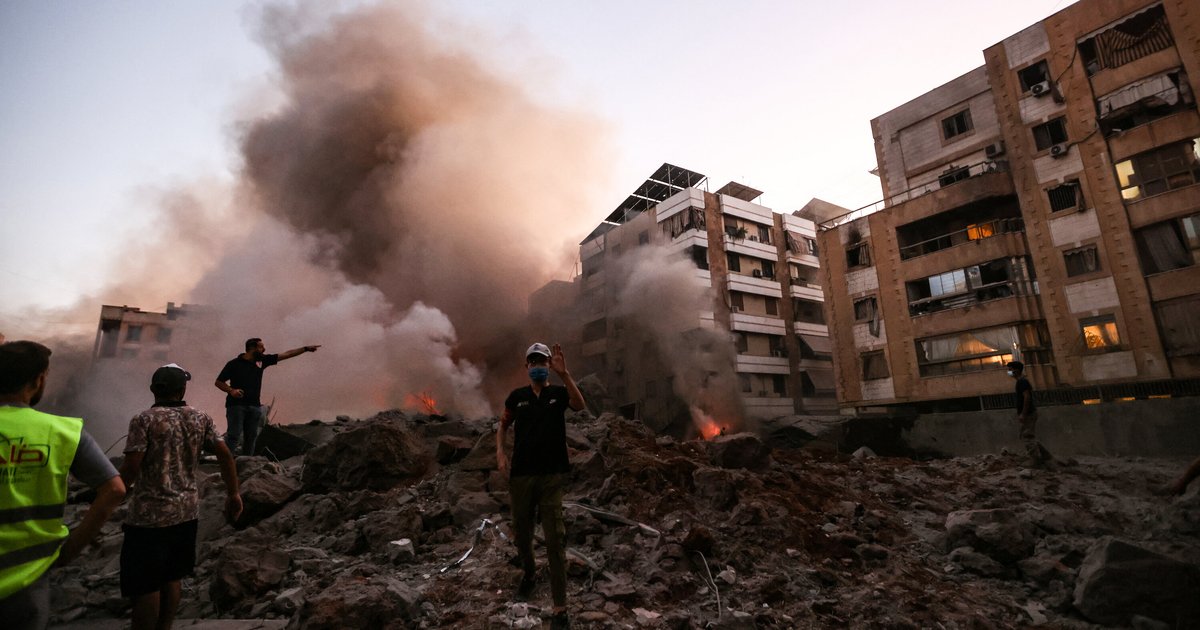
The Israeli army announced it has successfully eliminated Hajj Yusuf Ismail Hashem, the leader of Hezbollah's southern front, during a military operation in the Lebanese capital, Beirut. This operation comes at a sensitive time marked by increasing tensions between Israel and Hezbollah.
This move is considered a significant escalation in the ongoing conflict between the two parties, as the Israeli army aims to undermine Hezbollah's military capabilities in Lebanon. Israeli military sources confirmed that the operation was executed successfully with no casualties among Israeli forces.
Details of the Operation
The operation carried out by the Israeli army targeted a location believed to have been used by Hajj Yusuf Ismail Hashem, who is regarded as a prominent figure in Hezbollah. The operation was executed using drone technology and precision missiles, reflecting the technological advancements that the Israeli army possesses for military operations.
This operation follows a series of mutual threats exchanged between Israel and Hezbollah, with the latter previously announcing its readiness to respond to any Israeli aggression. The operation has sparked mixed reactions in Lebanon and the region, with some viewing it as an unwarranted escalation.
Background & Context
The history of the conflict between Israel and Hezbollah spans decades, with the region having witnessed numerous armed conflicts. Hezbollah was established in the 1980s during the Lebanese Civil War and has since become a key player in Lebanese politics and the struggle against Israel.
In recent years, tensions have notably increased, particularly with the rise of Israeli military activities in the region. Additionally, the situation in Syria and Iran's influence on Hezbollah have further complicated the security landscape in Lebanon.
Impact & Consequences
The elimination of Hajj Yusuf Ismail Hashem is seen as a strategic move aimed at undermining Hezbollah's ability to carry out military operations against Israel. This operation could lead to heightened tensions in the region, increasing the likelihood of a new armed conflict.
Furthermore, this operation may impact relations between Lebanon and Israel, as Hezbollah is expected to respond strongly to these aggressions, potentially leading to greater military escalation.
Regional Significance
These events occur at a time when the region is suffering from multiple crises, ranging from the conflict in Syria to tensions in Iraq and Yemen. This operation could exacerbate divisions in the region, as regional and international powers may intervene to support one of the parties involved.
In conclusion, the situation in Lebanon and Israel remains tense, with all eyes on Hezbollah's and the international community's reactions to these developments. Military escalation could have serious repercussions for security and stability in the region.