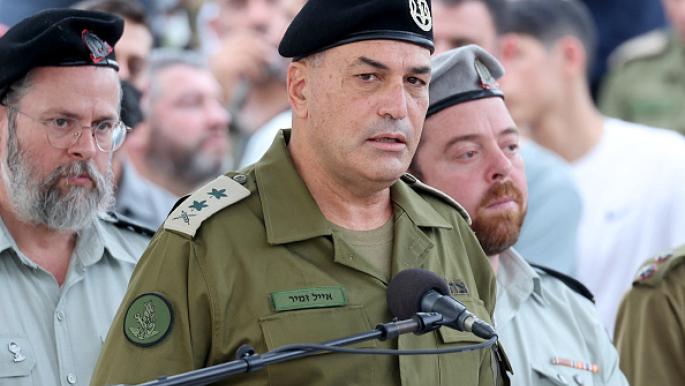
Israeli Chief of Staff Eyal Zamir has issued a stark warning that the Israeli army is facing a risk of internal collapse during a session of the cabinet's security and political affairs committee. This warning comes at a time when Israel is experiencing escalating political and security challenges, raising concerns about the army's ability to continue performing its duties effectively.
There are growing fears within the Israeli military establishment regarding deteriorating morale and the capacity to execute military operations effectively. Zamir pointed out that there are clear indicators of declining military performance, necessitating immediate action to address these issues.
Details of the Warning
During the session, Zamir provided a comprehensive overview of the current state of the army, emphasizing the need to reassess military strategies and leadership approaches. He explained that there is an urgent need to enhance psychological and moral support for soldiers, in addition to improving military service conditions.
Zamir also addressed the challenges facing the army amid ongoing tensions with the Palestinians and threats from other regional actors. These challenges place the army in a difficult position, as it must contend with both internal and external pressures simultaneously.
Background & Context
Historically, the Israeli army has faced numerous crises that have impacted its performance, ranging from major wars to limited military operations. However, the current warnings come at a sensitive time, as internal criticisms regarding the management of the army and its handling of crises are on the rise.
In recent years, the Israeli army has encountered new challenges related to social and political transformations within Israeli society, which have affected soldiers' morale and led to increased instances of dissent and protests.
Impact & Consequences
If the situation continues as it is, it could lead to serious repercussions for Israeli national security. An internal collapse of the army could open the door to escalating tensions in the region and increase the likelihood of new conflicts.
Moreover, a decline in the army's ability to conduct military operations could impact Israel's position in political negotiations with the Palestinians and Arab states, potentially hindering peace and stability efforts in the region.
Regional Significance
The warnings issued by Zamir serve as a wake-up call for Arab countries, reflecting the instability within Israel. These conditions could lead to changes in regional balances, prompting Arab nations to reassess their security and political strategies.
At the same time, these circumstances could encourage enhanced cooperation among Arab states in addressing common security challenges, highlighting the importance of unity and solidarity amid increasing crises.
In conclusion, the warnings from the Israeli Chief of Staff reflect a complex reality facing the army amid growing challenges. It is crucial for Arab nations to closely monitor these developments, as they could have far-reaching implications for security and stability in the region.