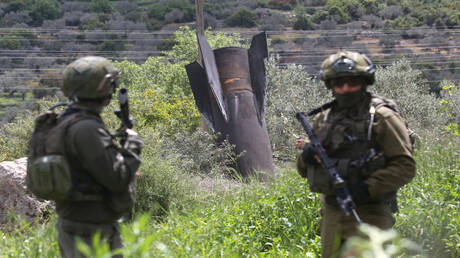
On Monday, the Israeli Army revealed footage documenting combat operations with Hezbollah in Southern Lebanon, highlighting rising tensions in the region. This release comes at a sensitive time, as concerns about a potential military escalation between the two sides are increasing.
The footage published by the Israeli Army shows details of military operations, including the use of advanced weaponry and military tactics. These images have elicited mixed reactions in political and media circles, with some viewing them as evidence of the Israeli Army's readiness to confront any threats from Hezbollah.
Details of the Incident
The footage released by the Israeli Army includes clips of bombings and targeting of sites believed to be affiliated with Hezbollah. These operations were filmed as part of the Israeli Army's efforts to enhance security along the northern border with Lebanon. The clips also showcased intense military movements, reflecting the high state of alert the army is experiencing amid ongoing tensions.
This announcement follows a series of border incidents in the region, where clashes between Israeli forces and Hezbollah militants have escalated. The Israeli Army indicated that these operations are part of self-defense measures aimed at protecting civilians in border areas.
Background & Context
Historically, the border between Israel and Lebanon has experienced ongoing tensions, especially since the 2006 war between Israel and Hezbollah. Since then, the conflict has continued to evolve, with Hezbollah seeking to enhance its military capabilities in response to Israeli threats. Conversely, Israel continues to bolster its military defenses along the border.
The relationship between Israel and Hezbollah is complex, intertwining political, military, and religious factors. Regional conditions, including conflicts in Syria and Iraq, have further complicated this relationship, making any military escalation in the area likely to have wide-ranging repercussions.
Impact & Consequences
This footage may lead to heightened tensions between Israel and Hezbollah, increasing the likelihood of a new military conflict. Additionally, these events could impact the security situation in Lebanon, which is already grappling with severe economic and political crises.
On the international stage, these developments may raise concerns among the global community, especially with calls for de-escalation and dialogue. Such situations may require diplomatic interventions from major powers to ensure that the conflict does not worsen.
Regional Significance
The current events in Southern Lebanon are part of a broader picture of conflicts in the Arab region. The rising tensions between Israel and Hezbollah reflect the security challenges facing Arab states, particularly those neighboring Israel.
In light of these circumstances, Arab nations must remain vigilant regarding developments in the region, as any escalation could affect regional stability and complicate political and economic situations.