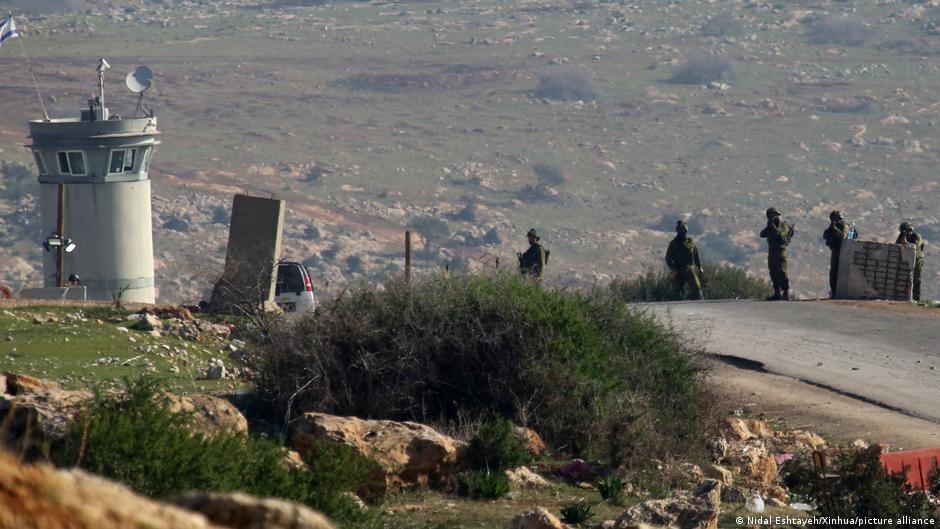
In an unprecedented incident, the Israeli army announced the suspension of an entire reserve battalion after journalists from CNN were assaulted while covering events in the occupied West Bank. The incident occurred last Thursday, when the CNN team was reporting on an attack by Israeli settlers and the establishment of an illegal settlement outpost in the Palestinian village of Tayaseer.
During the coverage, the journalists encountered Israeli soldiers, with a video published by CNN showing a soldier brandishing a weapon at the team. The network also reported that one soldier put photographer Cyril Theophilus in a chokehold, causing him to fall to the ground and damaging his camera, before the team was detained.
Details of the Incident
The commander of the Israeli army expressed his condemnation of the incident, stating that it represents a "serious moral and professional failure." He confirmed in an official statement that the battalion would undergo a review process to reinforce its professional and ethical foundations, and would remain on reserve duty during the review period.
The incident sparked strong reactions from the Foreign Press Association, which represents hundreds of journalists in Israel and the Palestinian territories, describing the assault as a "violent attack" on recognized journalists, and considering the soldiers' actions as crossing all boundaries.
Background & Context
This incident comes at a sensitive time, as the Israeli army faces increasing international criticism regarding its treatment of journalists. Last year, the organization "Reporters Without Borders" reported that nearly half of all journalist fatalities in 2022 were due to actions by Israeli forces. These statistics reflect the significant challenges faced by journalists in conflict areas.
Historically, there have been numerous incidents where journalists have been assaulted while covering events in the Palestinian territories, raising significant concerns about press freedom and human rights in the region.
Impact & Consequences
This incident carries significant implications for the image of the Israeli army, as the government seeks to bolster its position before the international community. Suspending an entire battalion is considered an unusual step aimed at sending a deterrent message, but at the same time, it may be seen as collective punishment for the soldiers, which has caused discontent among some.
This incident is expected to increase pressure on the Israeli army to reassess its policies towards journalists, especially amid ongoing tensions in the region. It may also contribute to strengthening international calls to protect journalists' rights in conflict zones.
Regional Significance
This incident serves as an indicator of the challenges faced by journalists in the Arab world, where assaults on journalists in conflict areas are recurring. Protecting press freedom is vital to ensure the accurate transmission of facts and information.
Ultimately, this incident should serve as a motivation for the international community to advocate for the protection of journalists and the enhancement of their rights, especially in conflict areas such as Palestine.