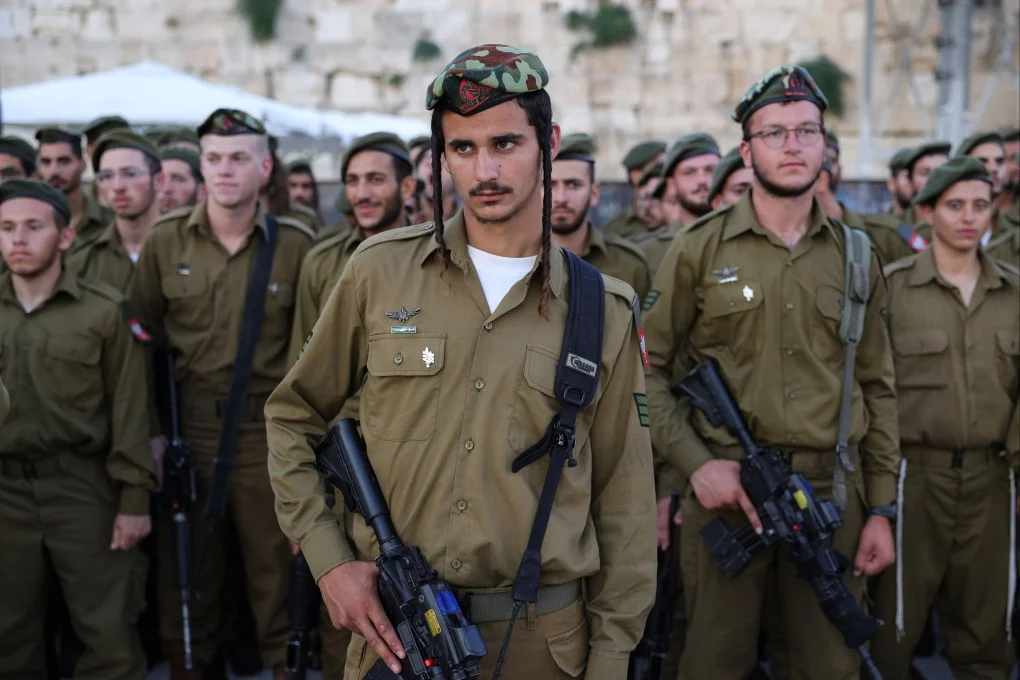
The Israeli army announced on Monday the suspension of the Netzah Yehuda unit after its soldiers assaulted a CNN crew in the occupied West Bank. The incident, which occurred last week, was documented through video footage, sparking widespread reactions regarding the behavior of Israeli soldiers towards journalists and Palestinian citizens.
This step is considered rare within the context of the Israeli army, where such incidents are typically overlooked. The Netzah Yehuda unit consists of religious Jewish soldiers and has previously been linked to incidents of assaults on Palestinian civilians, raising concerns about its conduct and the impact on relations between the army and the Palestinian community.
Details of the Incident
The incident that led to the suspension of the unit occurred while the CNN crew was covering events in the West Bank, where soldiers unjustifiably assaulted the journalists. This attack comes at a sensitive time, as tensions in the region are escalating due to the ongoing conflict between Palestinians and Israelis.
The Israeli army, in its statement, indicated that investigations are underway and appropriate measures will be taken against the involved soldiers. This action reflects a response to both international and local pressures demanding accountability for soldiers' actions.
Background & Context
Historically, the West Bank has witnessed numerous incidents related to the behavior of Israeli soldiers towards Palestinians, with many cases of assaults and violent practices documented. The Netzah Yehuda unit is not new to such behaviors, having been previously associated with unfortunate incidents, including the death of a 78-year-old Palestinian-American man following an assault by soldiers.
This latest incident occurs within a broader context of increasing tensions in the region, where Palestinian protests against Israeli occupation are rising, adding pressure on the Israeli army to change its behaviors.
Impact & Consequences
The suspension of the Netzah Yehuda unit may have multiple implications on the ground. On one hand, it could be seen as a positive step towards holding soldiers accountable, potentially enhancing international community trust in the Israeli army's ability to address human rights violations. On the other hand, this may escalate tensions between soldiers and Palestinian citizens, as soldiers might feel they are under scrutiny.
This incident could also affect the image of the Israeli army in international media, where calls for accountability for soldiers' actions are increasing, potentially placing the army in a defensive position before the international community.
Regional Significance
This incident highlights the ongoing challenges faced by Palestinians in the West Bank and reflects the difficult humanitarian conditions they endure under occupation. It also raises questions about how Arab countries will respond to these violations and whether they will take concrete steps to support Palestinians in facing these abuses.
Ultimately, there remains hope that this incident will lead to positive changes in the behavior of Israeli soldiers and strengthen international efforts to support Palestinian rights.