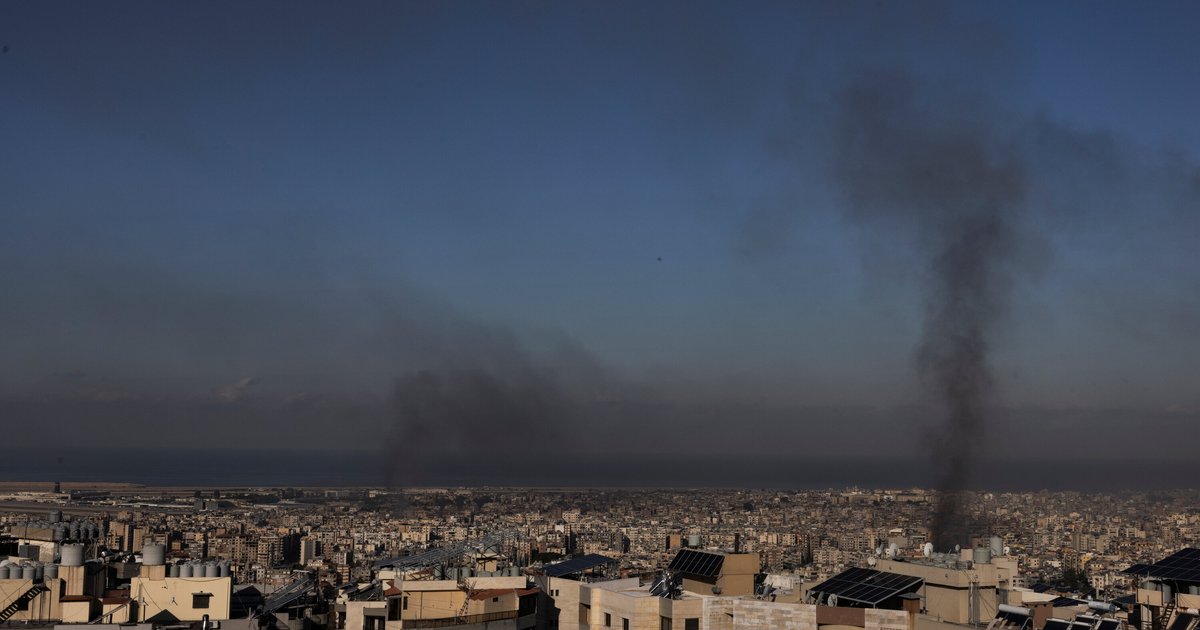
On Saturday, the Israeli army warned of the necessity to evacuate several areas in the city of Tyre, southern Lebanon, in a move that reflects the rising military tensions in the region. This warning comes at a sensitive time, as security conditions in Lebanon worsen, raising fears of a potential escalation in the ongoing conflict.
The Israeli warnings come amid ongoing concerns about the military activities of Hezbollah, which the Israeli army considers a direct threat to its security. The army indicated that evacuation is essential to ensure the safety of civilians in those areas, warning that any escalation could have serious repercussions for local residents.
Details of the Warning
In an official statement, the Israeli army urged residents of the specified areas to leave immediately, noting that this step is part of its preparations to confront any potential threats. The army identified specific areas in Tyre where military activities are believed to be taking place, which could lead to an escalation in hostilities.
This warning follows a series of intermittent clashes between Israeli forces and Hezbollah, further heightening tensions in the area. Reports have indicated that there are intensified military movements from both sides, raising concerns about the outbreak of a large-scale conflict.
Background & Context
Historically, the Lebanese-Israeli border has seen ongoing tensions, with Hezbollah being one of the prominent armed factions in Lebanon that advocates resistance against Israeli occupation. Since the 2006 war, military activities along the border have increased, leading to a continuous escalation of tensions.
In recent years, the rhetoric and tensions between the two sides have intensified, particularly with the increase of Israeli military activities in the region. Additionally, the political situation in Lebanon, which is grappling with economic and political crises, complicates the security landscape.
Impact & Consequences
The Israeli warnings could lead to increased tensions in the region and may affect the lives of civilians in southern Lebanon. In the event of escalation, local residents could face significant risks, necessitating international intervention to ensure their safety.
Moreover, the evacuation may provoke reactions from Hezbollah, which could view this as a provocation, thereby increasing the likelihood of military escalation. This dynamic could impact regional stability, as any escalation in Lebanon could have repercussions for neighboring countries.
Regional Significance
The events in southern Lebanon are part of the larger picture of regional security, where regional powers play a significant role in shaping the trajectories of conflict. Any escalation in Lebanon could affect relations between Arab countries and Israel, complicating peace efforts in the region.
Furthermore, the situation in Lebanon reflects the challenges faced by Arab countries in dealing with both internal and external conflicts. Amid the economic and political crises affecting many Arab nations, the events in Lebanon may serve as a wake-up call regarding the need for comprehensive security issue management.