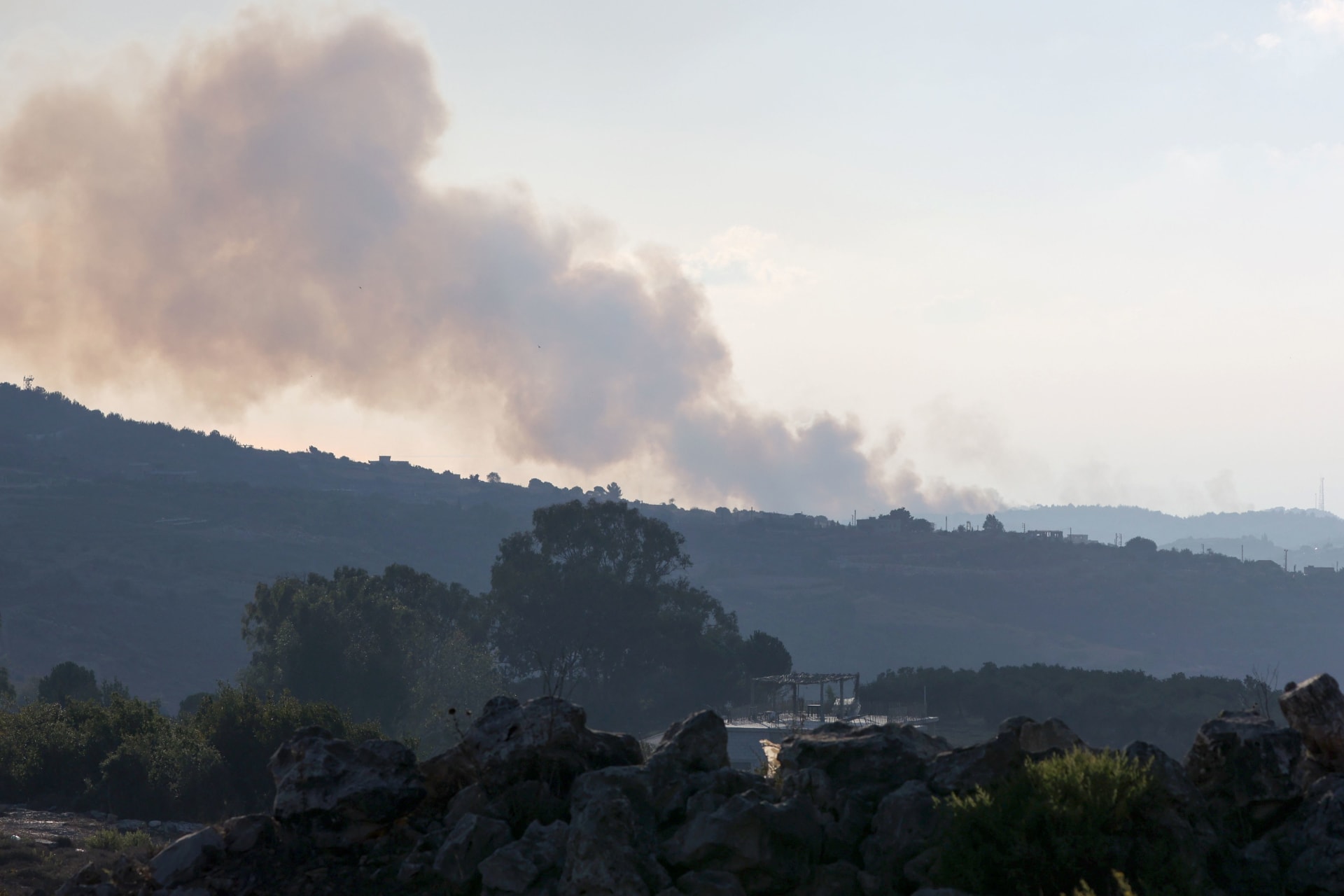
The Lebanese National News Agency has announced that an Israeli attack occurred in the town of Sarfand, part of the Sidon region, resulting in the death of one person and injuries to 17 others. The attack, which took place late last night, is part of rising tensions between Lebanon and Israel, raising concerns about the stability of the region.
According to the Lebanese Ministry of Health, the victims were transported to nearby hospitals for treatment, with some described as being in critical condition. The Israeli attack comes at a sensitive time, as the region experiences increasing tensions due to the ongoing conflict between Palestinian factions and Israel, in addition to the political and economic crises facing Lebanon.
Details of the Incident
The Israeli attack on the town of Sarfand is part of a series of military operations conducted by Israel in Lebanese territory, often targeting sites affiliated with Hezbollah or Palestinian factions. These operations provoke strong reactions from the Lebanese government, which condemns these aggressions and considers them violations of Lebanon's sovereignty.
Sarfand is one of the areas that has witnessed tensions in recent years, hosting diverse communities living under the pressures of security and economic conditions. The recent attack highlights the dangers faced by civilians in these areas, where their lives are threatened by ongoing conflicts.
Background & Context
Historically, Lebanese-Israeli relations have seen increasing tensions for decades, especially following the wars that have affected the region. Since 2006, when the July War broke out, the Lebanese-Israeli border has become a site of repeated clashes. These events have exacerbated the humanitarian situation in Lebanon, where the population suffers from the effects of the ongoing conflict.
In recent years, Israel has intensified its military operations in Lebanon, taking advantage of the internal political situation in Lebanon and the weakness of the government. This situation raises concerns among the international community, which calls for restraint and avoidance of military escalation.
Impact & Consequences
The recent attack may lead to an escalation of tensions between Lebanon and Israel, threatening the stability of the region as a whole. It is expected that Lebanese factions will respond to this attack, potentially leading to a cycle of violence. This escalation could also impact the deteriorating economic situation in Lebanon, where the Lebanese people are suffering from multiple crises.
The current tensions may also affect international efforts to achieve peace in the region, as many parties seek to find lasting solutions to the Palestinian-Israeli conflict, but repeated attacks hinder these efforts.
Regional Significance
This attack is part of a larger picture of conflicts in the Arab region, where many countries are suffering from the effects of ongoing disputes. The situation in Lebanon may impact neighboring countries, especially given the presence of Palestinian and Syrian refugees living in Lebanon.
Furthermore, military escalation in Lebanon may reflect on the relationships between Arab countries and Israel, as some countries seek to normalize relations with Israel while the situation in Lebanon remains tense. These dynamics could affect regional stability and complicate political situations.