In a serious escalation, Israeli forces launched intensive attacks on Lebanon on Sunday, resulting in the deaths of at least 11 people, marking one of the bloodiest days since the onset of Israeli aggression in March. The strikes targeted multiple areas, including the capital Beirut and southern Lebanon, where artillery shelling was reported in the town of Tabbaneh.
These attacks coincided with Christians celebrating Easter, heightening tensions across the country. An airstrike on the village of Kfarhata in the south resulted in the deaths of seven individuals, including a four-year-old child, while another raid in the Jnah neighborhood of Beirut claimed four lives and injured 39 others.
Details of the Incident
According to data from the Lebanese Ministry of Health, the death toll has risen to 1,461 since March 2, including 129 children. Reports indicate that over one million people have been displaced as a result of the ongoing war, compounding the humanitarian burdens in the country.
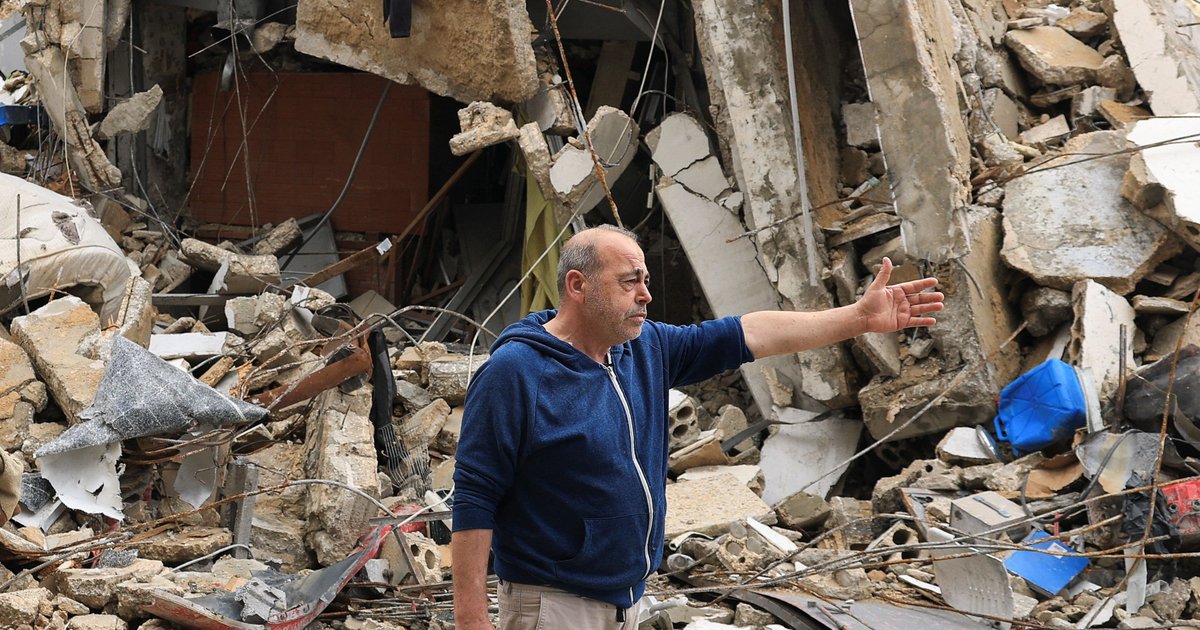
Images circulated through media show widespread destruction in targeted areas, as volunteers strive to rescue victims from beneath the rubble. Scenes of devastation in the city of Tyre, where buildings have been severely damaged, reflect the scale of the humanitarian disaster faced by the residents.
Background & Context
Historically, Lebanon has witnessed multiple conflicts with Israel, with previous wars leaving deep scars in the collective memory of the Lebanese people. The current aggression occurs against a backdrop of escalating regional tensions, raising fears of a broader conflict in the area.
Since the onset of the aggression, international calls for a ceasefire have increased, yet these appeals have not received effective responses from the parties involved. The humanitarian situation in Lebanon is deteriorating rapidly, necessitating urgent action from the international community.
Impact & Consequences
The impact of these attacks extends beyond Lebanese borders, raising concerns in neighboring countries and escalating tensions in the Middle East. The military escalation could trigger a chain reaction from various factions, increasing the likelihood of new conflicts erupting.
Moreover, the deteriorating humanitarian situation in Lebanon places additional pressure on Arab governments, which are already facing internal and external challenges. These events are expected to affect relations between Arab nations and Israel, complicating the political landscape in the region.
Regional Significance
Neighboring Arab countries are directly affected by the events in Lebanon, with growing fears of a refugee influx into their territories. The deteriorating humanitarian conditions could exacerbate economic and social crises in those countries, necessitating coordinated Arab efforts to address these challenges.
Ultimately, hope rests on the international community to exert pressure for an end to the conflict and achieve peace, as the continuation of violence will only lead to further suffering and destruction.