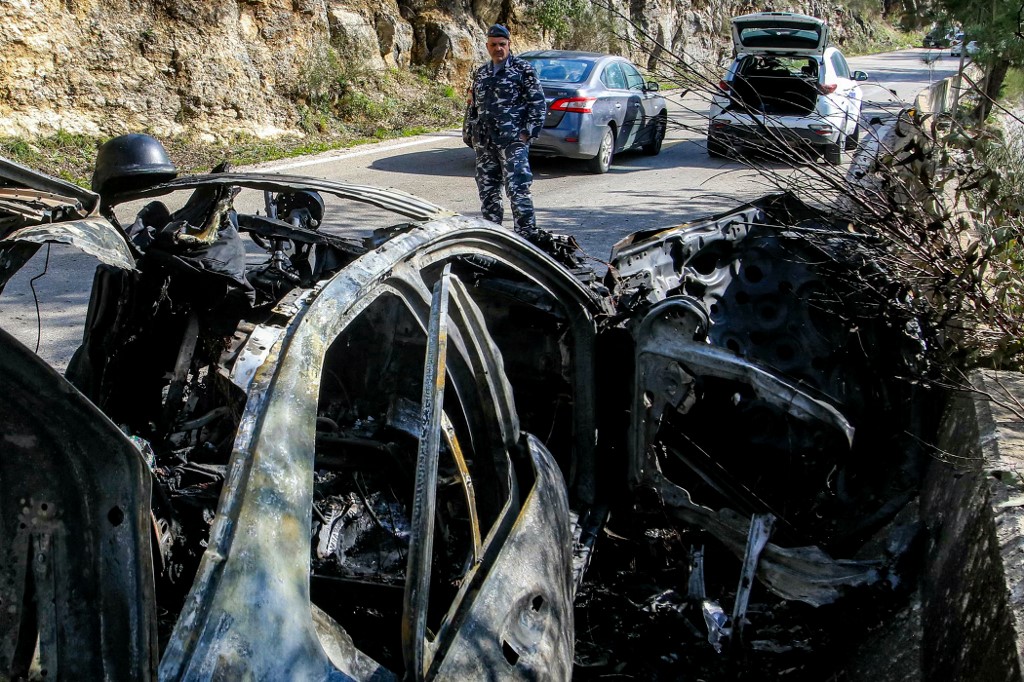
The World Health Organization has announced that Israeli attacks on the healthcare sector in southern Lebanon have resulted in the deaths of nine paramedics and injuries to seven others. The Director-General of the organization, Tedros Adhanom Ghebreyesus, confirmed that five separate attacks targeted medical teams in various villages, further straining healthcare services that are already severely weakened.
Ghebreyesus warned that these repeated attacks disrupt healthcare services in the region, where four hospitals and 51 primary healthcare centers have been closed, while many other facilities continue to operate at reduced efficiency.
Details of the Incident
These attacks come at a sensitive time, as Lebanon is grappling with a crippling economic crisis that has significantly impacted the healthcare system. Political and social pressures have exacerbated the situation, making it difficult for hospitals to provide necessary care to patients. Reports have confirmed that the medical teams targeted were attempting to assist civilians affected by the ongoing conflict.
Statistics show that attacks on the healthcare sector are not new, as recent years have witnessed an increase in assaults on health facilities in conflict zones. Ghebreyesus noted that these assaults represent a blatant violation of international humanitarian law, which protects civilians and healthcare workers.
Background & Context
Historically, Lebanon has experienced multiple conflicts, the most recent being the ongoing dispute between Israel and Hezbollah. This conflict, which began in 2006, has resulted in widespread destruction of infrastructure, including healthcare facilities. These conditions have contributed to the deterioration of the health situation in the country, making it difficult for citizens to access basic healthcare.
In recent years, tensions in the region have escalated, leading to an increase in military attacks from both sides. These attacks have worsened humanitarian crises, with many residents suffering from severe shortages of medications and medical care.
Impact & Consequences
The repercussions of Israeli attacks on the healthcare sector in Lebanon extend beyond local borders, affecting regional stability. The deterioration of healthcare services could lead to disease outbreaks and increased mortality rates, putting additional pressure on neighboring countries that host Lebanese refugees.
Moreover, these attacks may lead to increased political polarization in Lebanon, as political groups could exploit the situation to further their agendas. At the same time, international pressure on Israel may lead to calls for a halt to attacks on civilians, but so far, these calls have not yielded tangible results.
Regional Significance
These events serve as a wake-up call for other Arab countries, demonstrating how armed conflicts can impact essential services such as healthcare. Amid the multiple crises facing the region, it is crucial for Arab nations to unite in addressing humanitarian challenges.
The situation in Lebanon could serve as a model for what could happen in other countries experiencing conflicts, necessitating an urgent international response to protect civilians and ensure their access to healthcare.
In conclusion, the conditions in Lebanon remain alarming, with an urgent need for humanitarian support and immediate international intervention to protect civilians and ensure the continuity of healthcare services.