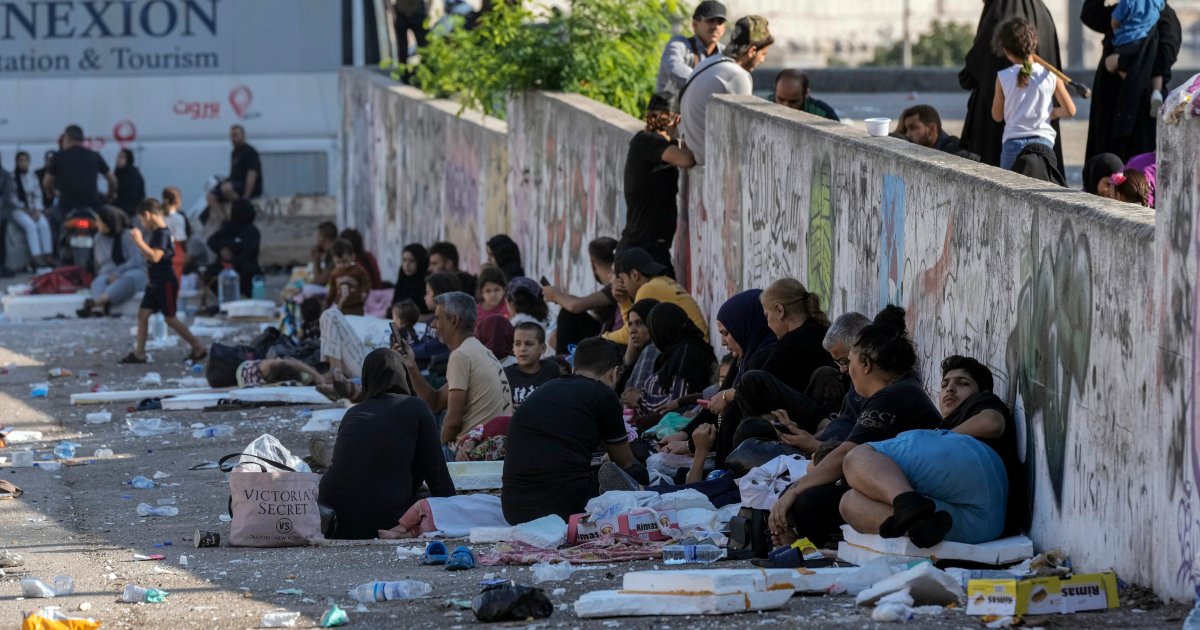
The Lebanese Ministry of Health has announced an increase in the death toll due to Israeli attacks, with nine people killed and 137 others injured in the last 24 hours. This brings the total number of deaths since March 2 to 1,247, while the number of injured has reached 3,680.
These attacks come at a time of escalating tensions in the region, as Israeli forces continue to target various areas in Lebanon, raising concerns among local residents and exacerbating their suffering.
Details of the Attacks
Israeli attacks on Lebanon are ongoing, particularly targeting border areas and residential neighborhoods. The Ministry of Health has confirmed that the victims are civilians, highlighting the humanitarian impact of these assaults. These figures are part of a broader escalation in the Israeli-Palestinian conflict, where hostilities have noticeably increased.
The Israeli attacks involve the use of warplanes and artillery, leading to widespread destruction of infrastructure and homes. These assaults have resulted in the displacement of many families, further straining humanitarian services in Lebanon.
Background & Context
Historically, Lebanon has experienced recurring conflicts with Israel, especially since the 2006 war. These conflicts have led to a deterioration of humanitarian conditions in the country, with Lebanese citizens suffering from the effects of repeated wars and economic crises. Since the beginning of March, Israeli attacks have significantly escalated, reflecting a surge in regional conflict.
This escalation occurs at a sensitive time, as the international community seeks peaceful solutions to the Israeli-Palestinian conflict. However, the increasing attacks on Lebanon hinder peace efforts and complicate the humanitarian situation.
Impact & Consequences
These attacks significantly affect the security and humanitarian situation in Lebanon. With the rising number of casualties, Lebanon faces substantial challenges in providing healthcare and psychological support to the affected. Additionally, the military escalation may exacerbate economic and social crises in the country, increasing the suffering of citizens.
Moreover, these events could impact relations between Lebanon and neighboring countries, as concerns grow over the conflict's implications for regional security. Such situations may provoke reactions from the international community, potentially leading to new political or military interventions.
Regional Significance
The events in Lebanon are part of a larger picture of conflict in the region. As tensions rise between Israel and the Palestinians, fears of new conflicts erupting in neighboring countries increase. The situation in Lebanon could also affect the stability of other Arab nations, heightening the need for urgent solutions.
In conclusion, the situation in Lebanon remains alarming, as citizens look for peace and stability. With ongoing attacks, hope for a peaceful resolution seems increasingly elusive.