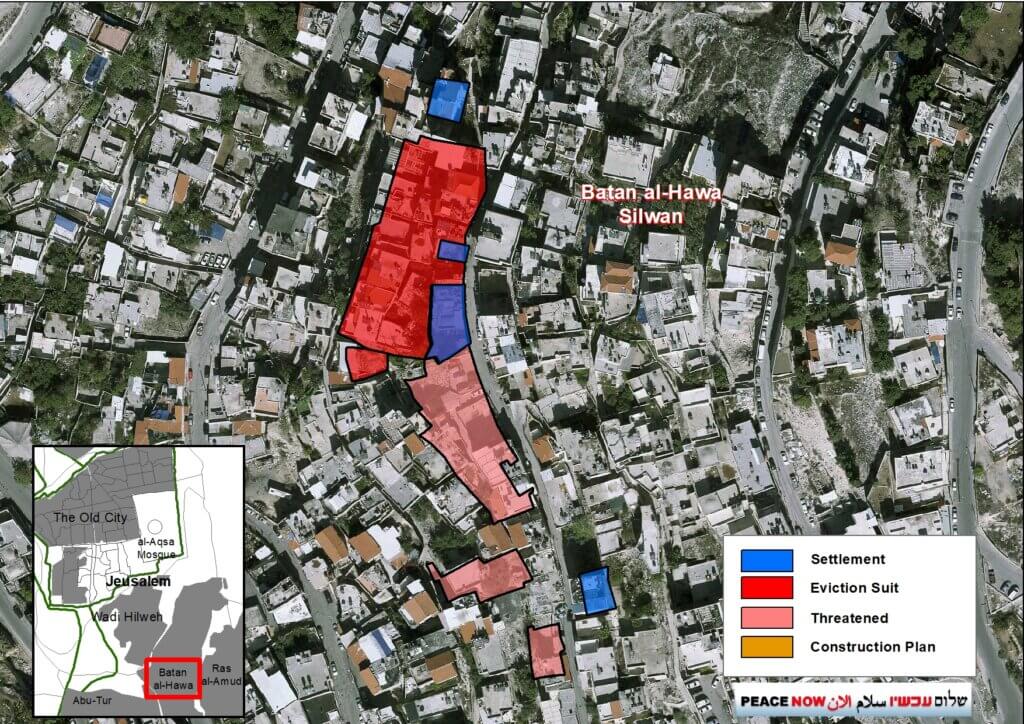
In a new step reflecting the rising tensions in East Jerusalem, Israeli authorities demolished two homes belonging to Jerusalemites Fayyad Rwaydi and Naeem Shahada in the Bustan neighborhood of Silwan on Monday. This operation was carried out under the pretext of unlicensed construction, as Israeli police forces, accompanied by municipal crews, stormed the town.
The Wadi Hilweh Information Center in Silwan reported via its Telegram platform that this demolition is part of an ongoing Israeli policy aimed at reducing the Palestinian presence in the holy city. The Bustan neighborhood is considered one of the areas under significant pressure from Israeli authorities, as the occupation seeks to displace the original inhabitants in favor of settlement projects.
Details of the Incident
The demolition that occurred on Monday is part of a series of demolitions targeting Palestinian homes in East Jerusalem. These operations are seen as part of a broader Israeli policy aimed at reinforcing Israeli control over the city, which Israel considers its eternal capital. Residents of the Bustan neighborhood face continuous pressures, as they are subjected to legal pursuits and home demolitions under the pretext of lacking permits.
It is noteworthy that the Bustan neighborhood contains many homes built prior to the Israeli occupation, raising questions about the legality of these demolitions. Residents have expressed their condemnation of these actions, asserting that they contradict international laws that protect civilian rights in occupied territories.
Background & Context
Historically, East Jerusalem has seen an increase in demolition operations since 1967, as Israel seeks to alter the demographic composition of the city. These operations are part of the settlement policy adopted by the Israeli government, which aims to expand settlements at the expense of Palestinian lands.
In recent years, the frequency of these operations has increased, exacerbating the humanitarian conditions for Palestinian residents. These policies have drawn widespread criticism from the international community, which views them as violations of human rights and international law.
Impact & Consequences
The demolitions exacerbate the humanitarian situation for Palestinian residents, as many lose their homes and resources. This situation contributes to increasing tensions between Palestinians and Israelis, enhancing feelings of frustration and despair among Palestinian youth.
Moreover, these policies affect relations between Israel and Arab countries, as many nations consider them a blatant violation of Palestinian rights. Such events could escalate the situation in the region, negatively impacting future peace efforts.
Regional Significance
The events in East Jerusalem are part of the Israeli-Palestinian conflict, which affects stability in the region. As demolition operations increase, so do tensions, potentially leading to reactions from Arab countries and the international community.
Arab nations strive to support the Palestinian cause, but they face significant challenges in influencing Israeli policies. These events may lead to increased Arab support for Palestinians, strengthening their position in international forums.
In conclusion, the events in East Jerusalem remain a focal point of significant interest, reflecting the ongoing conflict between Palestinians and Israelis and highlighting the challenges facing the Palestinian cause under current Israeli policies.