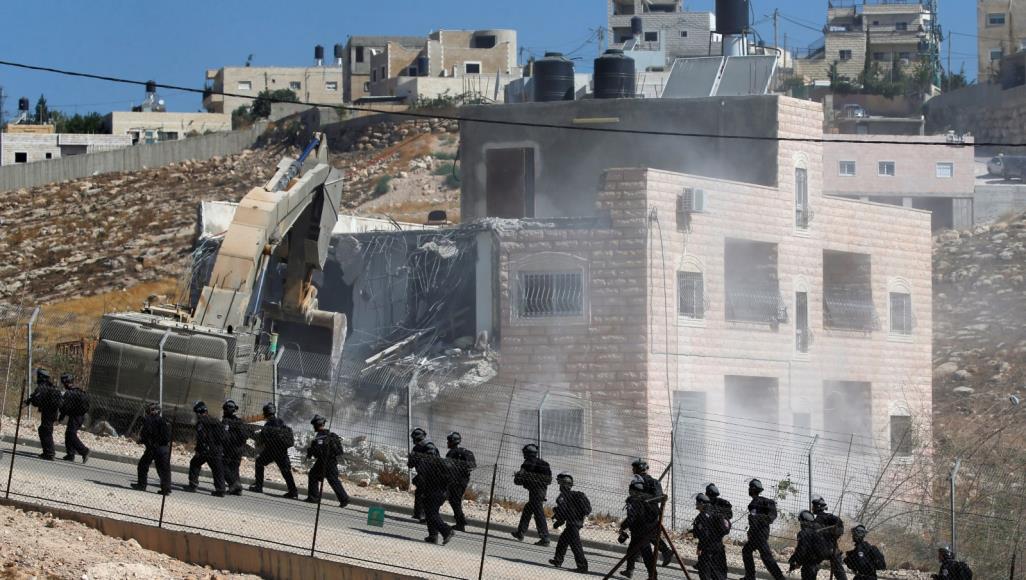
In a new escalation of the occupation, Israeli authorities expelled 60 Jerusalemites from the city last month. These actions are part of a continuous displacement policy targeting Palestinians in the city, raising concerns about the future of the Palestinian presence in Jerusalem.
These measures include forced expulsions, targeting several prominent Jerusalem figures as well as ordinary citizens, which heightens tensions in the holy city. Local sources have confirmed that these operations are part of a systematic policy aimed at altering the demographic composition of Jerusalem in favor of settlers.
Details of the Event
During the last month, Israeli authorities carried out expulsion operations that included 60 Jerusalemites, who were arrested at different times before being deported to areas outside the city. These operations were not limited to arrests but also included preventing them from returning to their homes, reflecting the occupation's policy of systematically targeting Palestinians.
This move comes at a time when Palestinian protests against the occupation are escalating, as Palestinians seek to defend their rights in the holy city. International human rights organizations have documented these violations, indicating that the expulsion operations contradict international laws that protect human rights.
Background & Context
Historically, Jerusalem has witnessed numerous attempts by the Israeli occupation to change the demographic reality of the city. Since the occupation of the city in 1967, Israeli authorities have implemented policies aimed at reducing the Palestinian presence, including the construction of settlements and imposing restrictions on Palestinians.
Jerusalem is considered a significant religious and cultural center for Palestinians, housing many sacred sites. However, Israeli policies aim to undermine this presence, further intensifying tensions in the region.
Impact & Consequences
The expulsion operations affect the Palestinian social fabric in Jerusalem, contributing to the dismantling of family and community ties. Additionally, these policies foster feelings of frustration and despair among Palestinians, which may lead to an escalation of protests and resistance against the occupation.
Moreover, these measures could impact Palestinian-Israeli relations, as pressures increase on the Palestinian leadership to respond to these violations. These policies may provoke international reactions, especially from human rights organizations monitoring the situation in the occupied territories.
Regional Significance
The issue of Jerusalem is one of the central issues in the Palestinian-Israeli conflict and has a direct impact on relations between Arab countries and Israel. The escalation of Israeli violations may lead to strained relations between Arab countries and Israel, especially amid increasing Arab support for the Palestinian cause.
Furthermore, these events may enhance Arab solidarity with Palestinians, contributing to increased pressure on the international community to intervene to protect Palestinian rights in Jerusalem.
The issue of Jerusalem remains at the heart of the Palestinian-Israeli conflict, with ongoing Israeli violations threatening the Palestinian presence in the city. The current situation requires urgent international action to protect Palestinian rights and ensure that conditions do not worsen in the region.