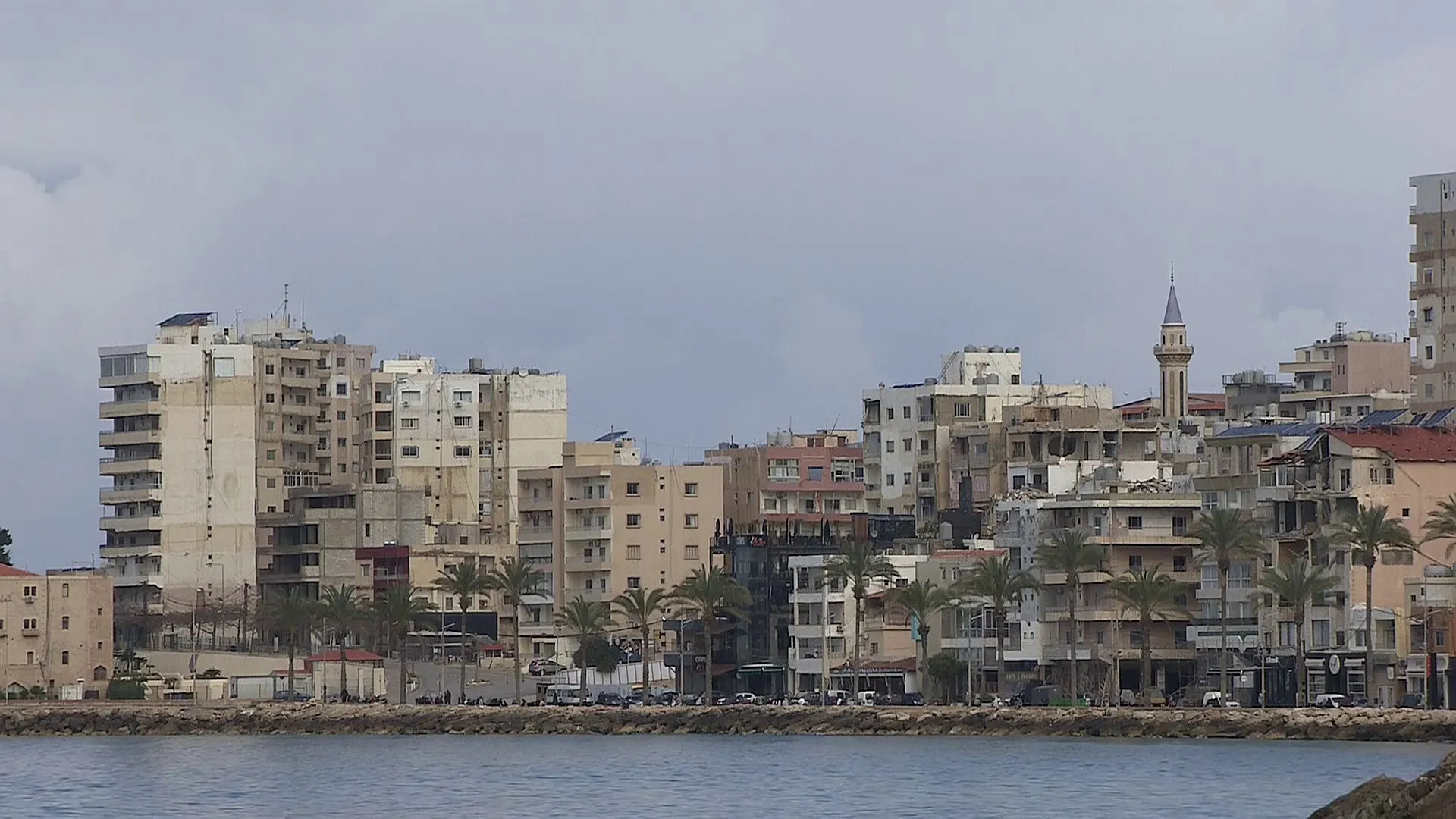
Military and strategic expert Colonel Nidal Abu Zeid revealed that the continuous Israeli bombardment of southern Lebanon, particularly the city of Tyre, is not limited to traditional military targets. Instead, it reflects a strategic approach aimed at inducing widespread demographic change in the region.
Abu Zeid explained that the targeting of bridges over the Litani River, alongside forced displacement operations, indicates an organized effort to reshape the demographic map of southern Lebanon, where this area represents about 20% of Lebanon's population and 10% of its geographical area.
Details of the Incident
The bombing of Tyre is considered part of this strategy, especially given the presence of a large population affiliated with Hezbollah, which strengthens the hypothesis that Israel is focusing on the demographic aspect in this war, in addition to traditional military objectives.
In this context, this interpretation coincides with a noticeable field escalation, where Hezbollah has intensified its missile and drone attacks on Israeli positions, while Tel Aviv has responded with airstrikes targeting the southern suburbs and infrastructure in southern Lebanon.
Background & Context
Abu Zeid points out that the previous bombing of the southern suburbs, along with the current targeting of Tyre, reflects an operational pattern focusing on densely populated areas associated with Hezbollah's social base, reinforcing the hypothesis of population displacement.
According to field data, Israeli aircraft have conducted intensive airstrikes on the suburbs in parallel with strikes targeting southern towns, amid repeated warnings to residents to evacuate wide areas, leading to exacerbated waves of internal displacement.
Impact & Consequences
Abu Zeid links developments in Lebanon to the broader confrontation with Iran, considering that what is happening reflects an American attempt to manage tensions rather than reduce them, by combining military action with diplomatic efforts.
He clarified that the U.S. administration, especially during the tenure of former President Donald Trump, seeks to translate military pressure into political gains by keeping diplomatic channels open alongside ongoing military operations.
Regional Significance
In contrast, Iran is pragmatically dealing with this trajectory, continuing its military operations to demonstrate its ability to impose a “negotiation under fire” equation, reflecting competition to impose conditions for the upcoming phase.
This comes amid exchanges of strikes between Iran and Israel, including the launch of missiles towards sensitive sites such as Dimona, in return for airstrikes targeting sites deep within Iran, including facilities linked to missile systems.
In a technical reading of the Iranian attacks, Abu Zeid explained that some of the missiles used belong to the category of cluster munitions, which increases their destructive capacity and complicates interception processes, noting that these tactics aim to exhaust Israeli air defense systems by launching multiple waves of missiles.
Abu Zeid emphasizes that this style of combat leads to a state of mutual exhaustion, where pressure is not limited to offensive capabilities but extends to managing defensive stockpiles, which is a critical factor in the continuity of operations.
In conclusion, he describes the current situation as closer to a “zero-sum stalemate,” where neither party can achieve complete military resolution amid a relative balance in attrition, opening the door for a political path.
Israel continues its operations within Lebanon, including targeting infrastructure and arresting Hezbollah members, as part of its efforts to undermine its field capabilities and impose new realities on the ground. However, the continuation and expansion of the bombardment reflect that the objectives extend beyond direct military dimensions to include reshaping the demographic environment to serve long-term security arrangements in southern Lebanon.