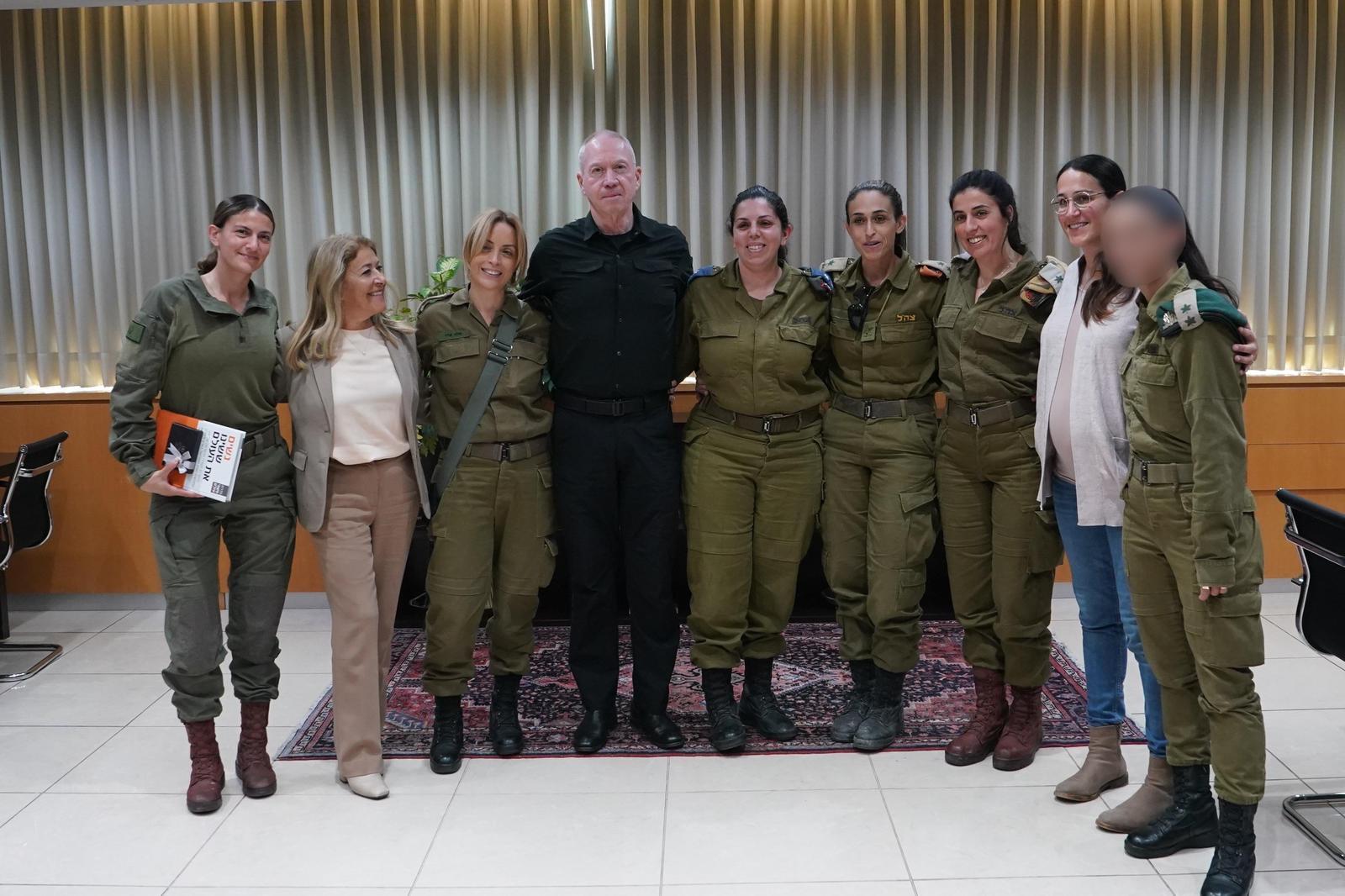
A report by Yisrael Hayom reveals the existence of an Israeli military unit known as the 'Red Unit,' comprising 80 female fighters who impersonate Hezbollah and Hamas forces to enhance the skills of Israeli soldiers against real threats.
This unit was established about six years ago and includes female soldiers undergoing intensive training that lasts for three and a half months. The training focuses on understanding the tactics and combat methods of adversaries and embodying them with the utmost realism during drills.
Details of the Operations
The 'Red Unit' simulates complex combat scenarios, where the female recruits train in combat techniques used by Hezbollah and Hamas fighters. The training includes simulating infiltration operations, where Israeli soldiers face unexpected situations that require them to assess their performance and improve their strategies.
A company commander in the unit states, "When I joined the army, I was unaware of the existence of this unit. I felt excited because I would directly impact the readiness of the fighters in the field." This direct influence enhances the soldiers' ability to confront threats more effectively.
Background & Context
Before the establishment of the 'Red Unit,' Israeli battalions relied on a selection of their forces to play the role of the enemy during training, which often confused the training process. Today, this unit provides a professional alternative, acting as a serious adversary, thereby increasing the effectiveness of the training.
The training consists of two types: 'wet' training, which uses blank rounds and smoke grenades, and 'dry' training, which relies on shouting the word "fire." In both cases, there is a neutral judge who decides who fired first, adding an element of challenge and excitement to the training.
Impact & Consequences
The female recruits emphasize that adopting enemy roles is not merely training, but a heavy psychological responsibility. The events of October 7 were a significant turning point, as the recruits recognized the importance of their role in enhancing the readiness of the Israeli army.
One recruit mentions, "Fighters might get angry with us because we virtually killed them, but that is the point. We cannot underestimate the threat; otherwise, we will face tragic events." This awareness reflects the importance of training in improving military performance.
Regional Significance
This unit is part of the Israeli military strategy to confront threats from Hezbollah and Hamas, reflecting ongoing tensions in the region. These drills also demonstrate the Israeli army's preparedness to face any potential escalation in the future.
In conclusion, the 'Red Unit' illustrates how specialized military training can make a difference in the readiness of forces, raising questions about the future of conflicts in the region.