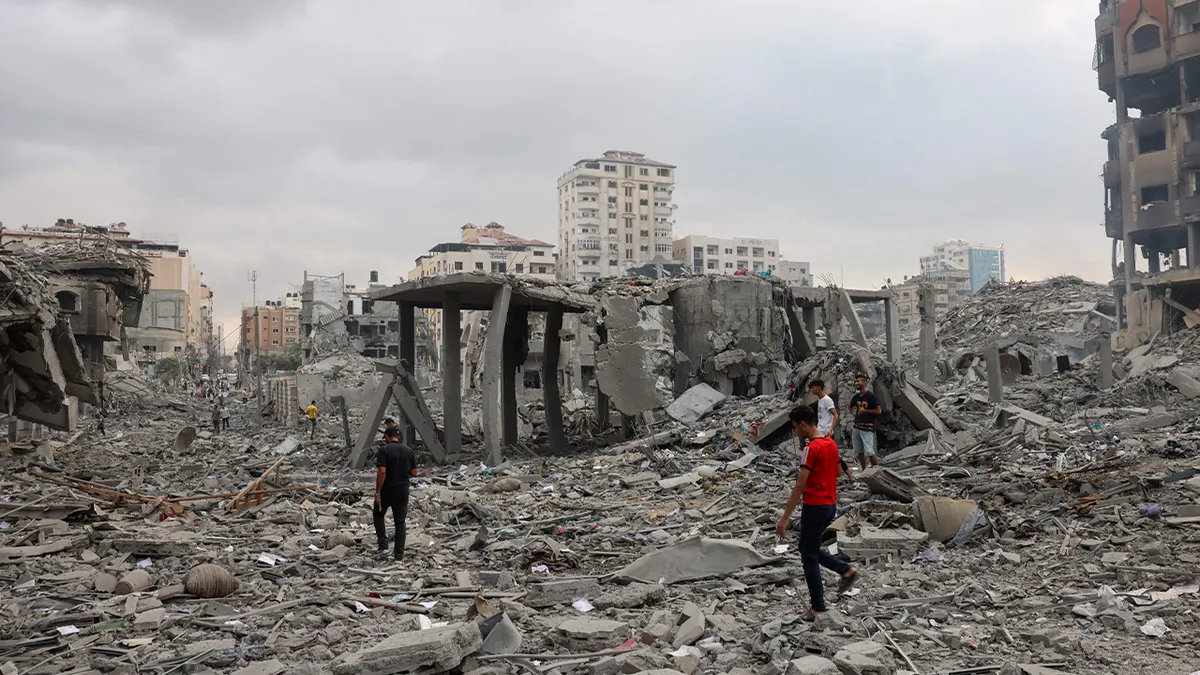
In a new escalation, the Israeli occupation has announced the launch of its most intense attack on Lebanese territory, with its warplanes targeting around 100 sites in just 10 minutes. This attack reflects a state of military mobilization in the region and comes amid rising tensions between the two sides.
The late-night assault targeted military and security sites belonging to Hezbollah, provoking angry reactions from Lebanese officials who deemed this escalation a blatant violation of Lebanese sovereignty.
Details of the Attack
According to reports, Israeli forces utilized warplanes and precision-guided missiles to strike the designated targets. The attack resulted in significant damage to the targeted facilities, as well as injuries among civilians. Eyewitnesses in the affected areas confirmed that the explosions were extremely powerful, causing panic among the residents.
Meanwhile, Hezbollah has not issued any official statement regarding the attack so far, but expectations suggest that the group may respond to this escalation in one way or another. There are also fears that this escalation could lead to a new round of violence in the region, especially given the already tense situation.
Background & Context
Historically, the Lebanese-Israeli border has witnessed repeated tensions, particularly since the 2006 war. Since then, Hezbollah has continued to enhance its military capabilities, raising concerns for the Israeli occupation. In recent years, the intensity of tensions has increased due to repeated clashes and military operations from both sides, complicating the situation further.
These developments come at a sensitive time, as the region is experiencing political and economic transformations, in addition to escalating humanitarian crises. These factors have contributed to intensifying the conflict, making any military escalation more dangerous.
Impact & Consequences
The recent attack could have serious implications for regional security. It is likely to lead to greater military escalation, threatening stability in Lebanon and neighboring countries. Additionally, international reactions may play a role in determining the course of events, as some countries may call for restraint and avoidance of escalation.
Furthermore, military escalation could negatively impact the economic situation in Lebanon, which is already suffering from multiple crises. Deteriorating security conditions could exacerbate humanitarian crises and increase the suffering of civilians in the country.
Regional Significance
This escalation could have wide-ranging effects on the Arab region as a whole. It may lead to a reevaluation of political and military alliances in the area and heighten existing conflicts. Moreover, any escalation in Lebanon could affect relations between Arab countries, especially those with interests in the region.
In conclusion, the situation in Lebanon remains under observation, as any new developments could lead to radical changes in the regional landscape. It is crucial for all parties to remain committed to dialogue and diplomacy to avoid further escalation.