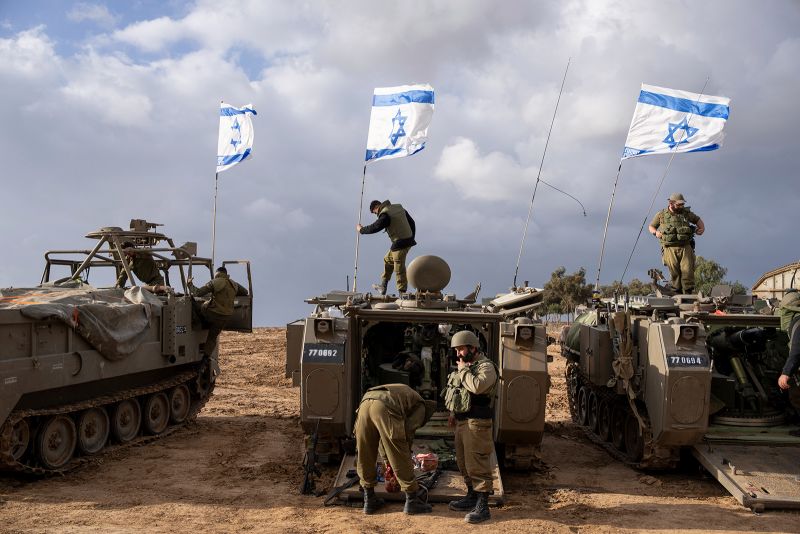
The Israeli occupation army has continued to breach the ceasefire agreement in Gaza, launching several violent attacks that led to injuries and material damage. The United Nations Relief and Works Agency for Palestine Refugees in the Near East (UNRWA) reported that the ceasefire in Gaza is merely a ceasefire in name only.
In the details of the events, a young man was injured by the Israeli army's bullets when they targeted the displacement area in the refugee camps, highlighting the ongoing violence in the region despite international calls to halt the escalation. These incidents come at a sensitive time, as the international community seeks to find peaceful solutions to the ongoing conflict.
Details of the Incident
The Israeli attacks on Gaza have continued, with warplanes targeting residential areas and civilian gathering centers. Local reports have indicated that the attacks resulted in significant property damage, in addition to injuries among civilians, exacerbating the suffering of the besieged population in the enclave.
At the same time, UNRWA confirmed that the humanitarian situation in Gaza is worsening, with residents suffering from severe shortages of food, water, and medicine. The agency called for all parties to adhere to an effective ceasefire to protect civilians.
Background & Context
Historically, Gaza has witnessed numerous military escalations between the Israeli occupation and Palestinian factions, with these conflicts recurring periodically. The conflict dates back decades, with political, economic, and social issues intertwining, making it difficult to reach a lasting solution.
UNRWA was established in 1949 to provide assistance to Palestinian refugees and plays a vital role in delivering essential services in Gaza. However, recurring crises hinder its efforts and increase the suffering of the population.
Impact & Consequences
The recent events underscore the urgent need for effective international intervention to halt the escalation. The continuation of violence deepens humanitarian crises and increases tensions in the region. Furthermore, the ongoing violations of the ceasefire reflect the lack of seriousness among the parties in committing to peaceful solutions.
Moreover, these events could affect relations between Arab countries and Israel, as pressures mount on Arab governments to intervene or take clearer stances regarding what is happening in Gaza.
Regional Significance
The events in Gaza are indicative of the increasing tensions in the region, impacting the security and stability of neighboring countries. The continuation of the conflict may lead to negative repercussions on relations between Arab states and exacerbate internal divisions in some countries.
Ultimately, hope remains pinned on the international community's efforts to find a comprehensive solution that guarantees the rights of Palestinians and achieves lasting peace in the region. The continuation of violence will only lead to more suffering and destruction, necessitating urgent and effective action from all concerned parties.