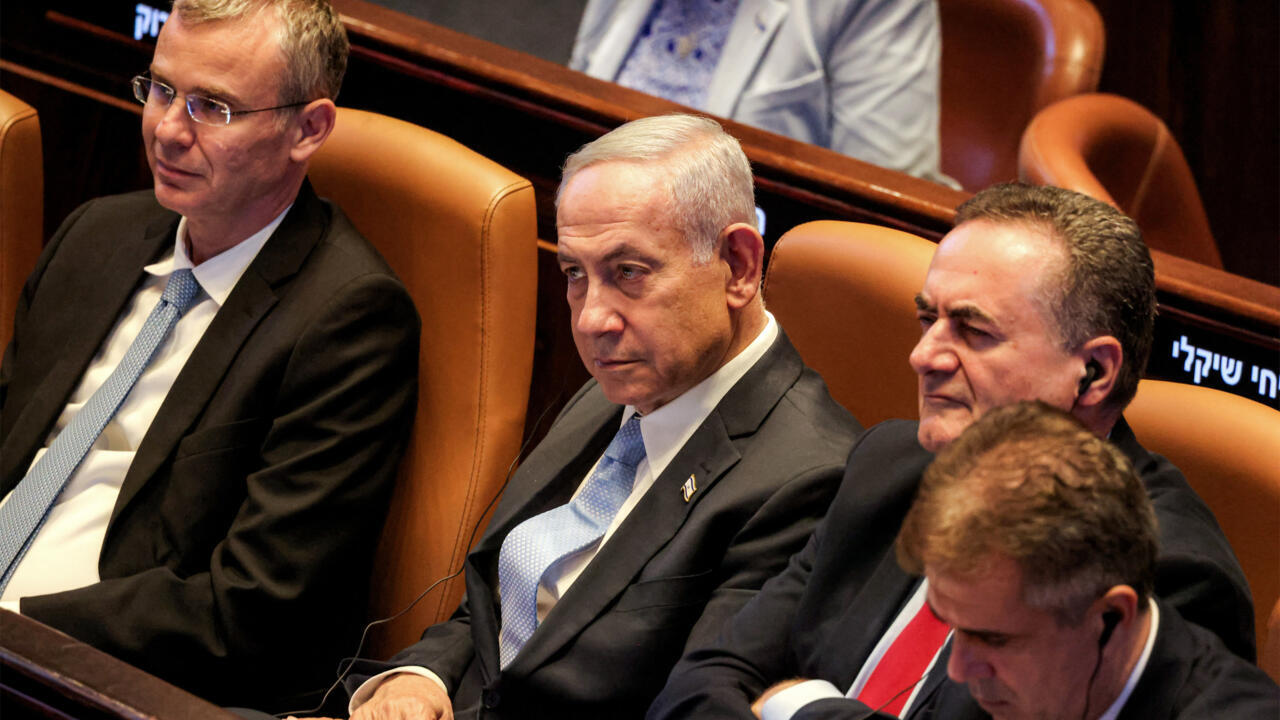
The Israeli parliament approved the 2026 budget early Monday, which allocated a massive increase in defense spending at a time when Tel Aviv is engaged in multiple fronts of conflict.
The Knesset announced in an official statement that the new budget takes into account ongoing military operations, noting the addition of over 30 billion shekels (approximately $10 billion) to the Ministry of Defense budget, bringing the total budget to over 142 billion shekels.
Details of the Budget Approval
The lawmakers adopted the budget proposal with a majority of 62 votes to 55 votes, reflecting a relative consensus among Israeli parties on the importance of enhancing military capabilities under the current circumstances.
The total proposed expenditure for 2026 is approximately 850 billion shekels, which is roughly equivalent to $270 billion, indicating Israel's trend towards increasing investments in the defense sector.
Background & Context
This budget increase comes at a time when Israel is experiencing heightened security tensions, facing multiple challenges on various fronts, including the conflict with Palestinian factions in Gaza and threats from Hezbollah in Lebanon.
Ongoing military operations, such as Operation Lion's Roar, have prompted the Israeli government to take urgent steps to enhance its defense capabilities, reflecting its strategy in addressing increasing security challenges.
Impact & Consequences
The increase in defense spending may affect other budgets, such as education and health, raising concerns among some social circles in Israel. Additionally, this move could exacerbate tensions with the Palestinians, as the enhancement of military capabilities is viewed as an escalation in the conflict.
On the other hand, this budget may strengthen Israel's position in international forums, as it seeks to assert its ability to defend itself against increasing threats, which could impact relations with Arab countries and the international community.
Regional Significance
This step is seen as an indicator of Israeli military trends, which may heighten tensions in the region. Neighboring Arab countries may feel concerned about this increase in military capabilities, potentially prompting them to bolster their own defenses.
In light of these developments, Arab countries must reassess their security and military strategies to address the growing challenges, especially amid the ongoing Israeli-Palestinian conflict.
The increase in the Israeli defense budget reflects the rising military trends in the region, necessitating proactive measures from Arab countries to ensure their security and stability.