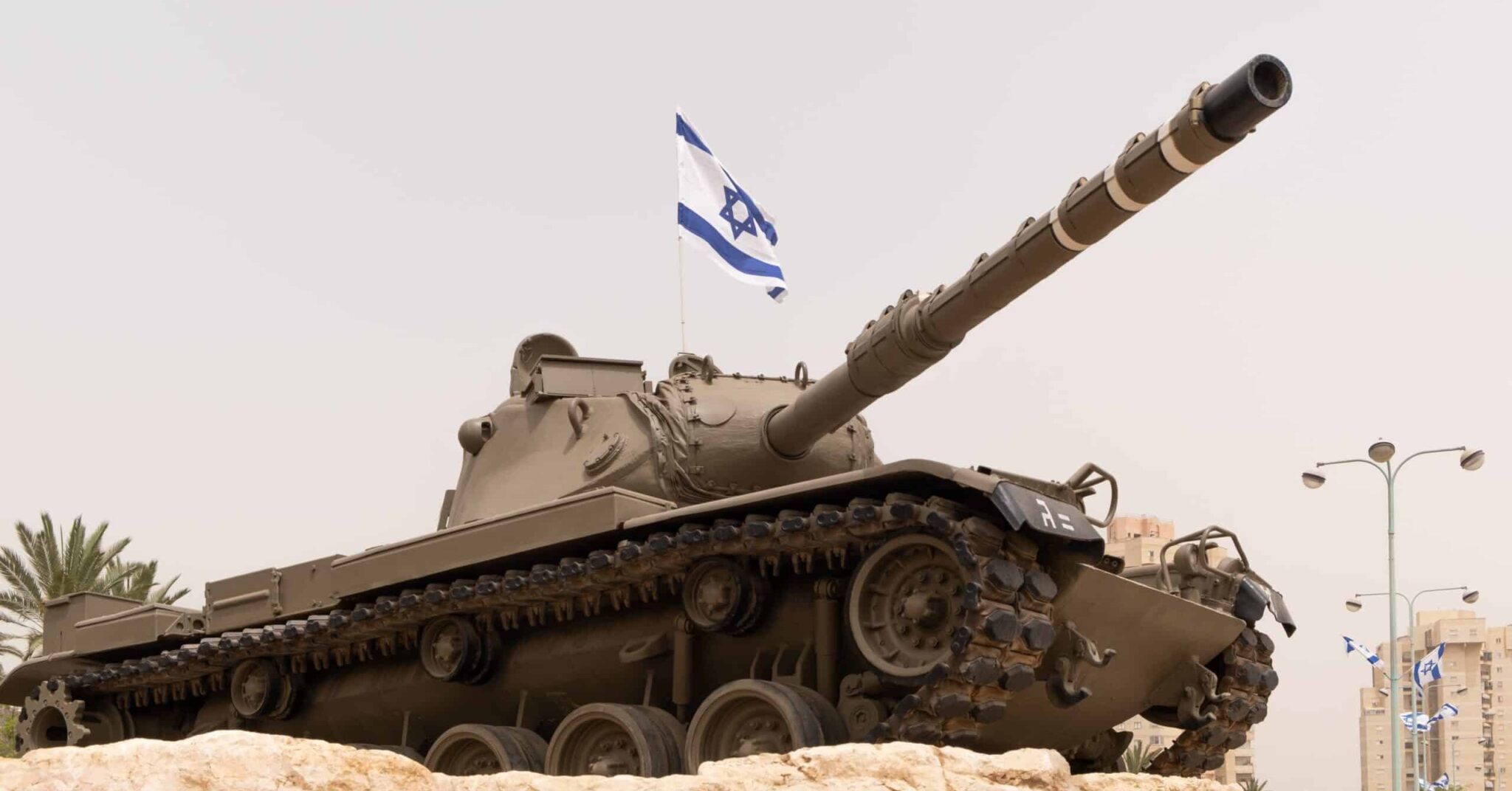
The Israeli parliament approved the defense budget for 2026 in the early hours of Monday, representing the largest defense budget in Israel's history, with a significant increase in military spending. This move comes at a time when Israel is facing escalating military tensions on several fronts, reflecting the growing security challenges it faces.
The new budget reflects the Israeli government's commitment to enhancing its defense capabilities, with substantial allocations made to counter increasing threats from hostile entities. This decision also reflects the government's strategy to bolster national security under the current circumstances.
Details of the Budget Approval
In an extraordinary session, Knesset members voted in favor of the new budget, which amounts to approximately 100 billion shekels, representing a 20% increase over the previous budget. This increase comes at a time of rising tensions with Hamas in Gaza, alongside threats from Hezbollah in Lebanon.
The budget also includes allocations to increase the number of soldiers, modernize military equipment, and enhance defense systems such as the Iron Dome. The Israeli government hopes that this budget will contribute to strengthening deterrence and improving military readiness to face any potential escalation.
Background & Context
Historically, Israel has witnessed numerous wars and armed conflicts, making military spending a priority for successive governments. Since its establishment, Israel has faced ongoing security challenges, leading to a continuous increase in the defense budget.
In recent years, tensions in the region have escalated, particularly following recent events in Gaza and political pressures in the West Bank. These circumstances have prompted the Israeli government to take proactive steps to enhance its military capabilities, explaining the significant increase in the defense budget for 2026.
Impact & Consequences
The substantial increase in the defense budget may affect other state budgets, such as education and health, raising concerns among certain social sectors. Additionally, this move could escalate tensions with the Palestinians, as it may be perceived as a show of force by the Israeli government.
Moreover, this budget may impact Israel's relations with neighboring countries, as it could be interpreted as a readiness to confront any potential threats, potentially leading to heightened tensions in the region.
Regional Significance
In light of these developments, neighboring Arab countries are closely monitoring Israel's military movements. The increase in defense spending could lead to an arms race in the region, as Arab nations may seek to enhance their military capabilities to counter potential threats.
Furthermore, this budget could affect peace efforts in the region, as it may be viewed as a move that strengthens Israel's position in negotiations with Palestinians and Arab states. These developments could complicate the political landscape in the region, necessitating careful analysis by Arab decision-makers.
In conclusion, the defense budget for 2026 reflects the security challenges facing Israel and highlights the need to enhance military capabilities under current conditions. However, this move may carry significant implications for security and stability in the region.