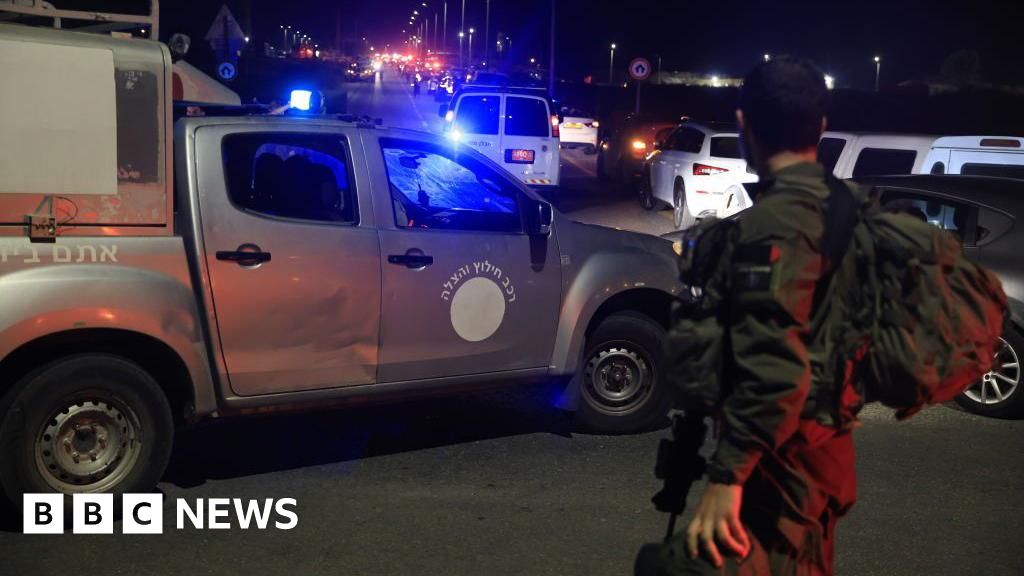
The Israeli armed forces announced the death of one of their soldiers as a result of a drone attack launched by the Lebanese group Hezbollah in southern Lebanon. The attack occurred late last night, raising concerns about escalating tensions between the two sides.
The soldier who was killed was part of a military unit operating in the border area, where military activities have increased recently. This attack is part of a series of escalations that have been witnessed along the Lebanese-Israeli border, which has seen exchanges of fire in recent weeks.
Details of the Incident
According to official data, Hezbollah used a drone to target an Israeli military site, resulting in the soldier's death and injuries to others. This incident marks the first of its kind where drones have been used directly against Israeli forces in this area, highlighting the evolution of Hezbollah's military capabilities.
In response to this attack, Israeli forces issued a statement confirming that they would take strict measures against any threats to their security. Additionally, troops in the border area have been reinforced in anticipation of any potential escalation.
Background & Context
Historically, the Lebanese-Israeli border has witnessed ongoing tensions for decades, with several wars and conflicts between Israel and Hezbollah. In recent years, the intensity of these tensions has increased due to disputes over maritime and land borders, alongside Iranian interventions in Lebanese affairs.
Hezbollah, considered one of the prominent armed factions in Lebanon, has received military and technical support from Iran, enhancing its military capabilities. This attack comes at a sensitive time as fears of a larger escalation in the region grow.
Impact & Consequences
The recent attack could lead to a larger military escalation between Israel and Hezbollah, threatening the stability of the entire region. Israel is likely to take retaliatory military actions, which could escalate violence in Lebanon and the occupied territories.
This incident may also affect relations between Lebanon and Western countries, as the Lebanese government could be held responsible for Hezbollah's actions, increasing international pressure on the Lebanese government.
Regional Significance
This development reflects the ongoing tensions in the Middle East, where regional and international interests intersect. This attack could impact regional security and heighten divisions among Arab states.
In light of these circumstances, Arab countries must adopt effective strategies to address the rising tensions and work towards enhancing security and stability in the region.