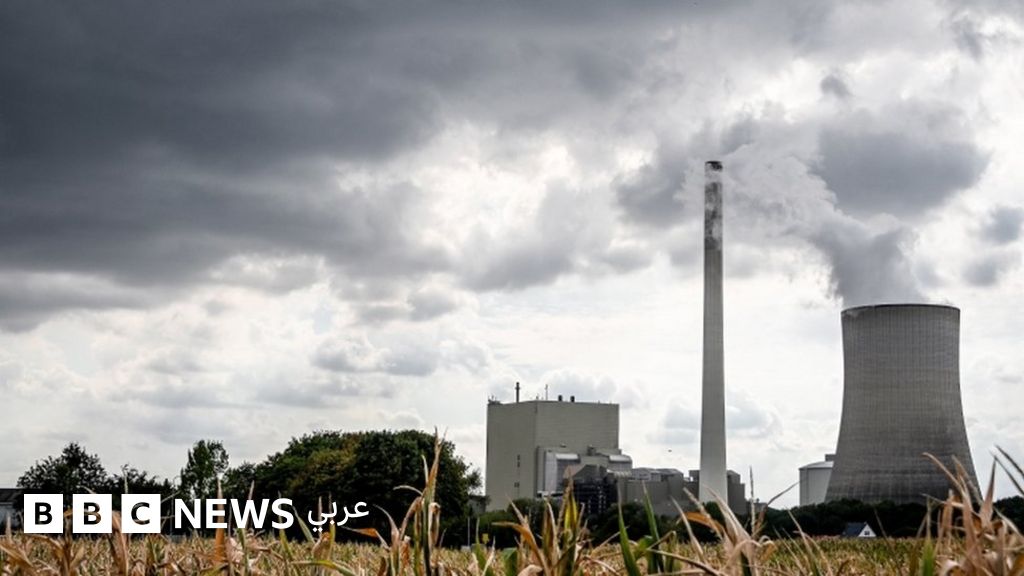
The Japanese government has announced its decision to increase reliance on coal-fired power plants as part of its efforts to bolster energy supply security in light of escalating global crises, particularly those arising from conflicts in the Middle East. This decision comes at a time when Japan is facing significant challenges in securing energy sources, with prices rising sharply due to geopolitical disruptions.
Japan, which heavily relies on imports to meet its energy needs, is seeking to strike a balance between securing supplies and maintaining its environmental commitments. Officials have indicated that increasing coal usage will help reduce dependence on imported energy sources, thereby enhancing the country's ability to face future crises.
Details of the Decision
In the current circumstances, the Japanese government has decided to allow an increase in the operation of coal-fired power plants, marking a shift in energy policy that previously aimed to reduce carbon emissions. This decision follows a significant rise in gas and oil prices, which has impacted the local economy.
This move is controversial, as officials face pressure from environmental groups opposing coal use due to its negative environmental impacts. However, officials assert that this increase is necessary to ensure stable energy supplies at present.
Background & Context
Historically, Japan has relied heavily on nuclear energy, but following the Fukushima incident in 2011, many nuclear plants were shut down, increasing reliance on other energy sources. With rising tensions in the Middle East, it has become essential for Japan to seek rapid alternatives to secure its energy needs.
Japan is one of the largest energy importers in the world, importing about 90% of its energy needs. As global crises increase, it has become clear that the country needs new strategies to ensure energy security.
Impact & Consequences
Increasing coal usage could lead to negative environmental impacts, as coal is one of the most polluting energy sources. However, some experts believe that this step may be necessary in the short term to ensure supply stability. This policy is expected to affect energy prices in Japan and may lead to an increase in carbon emissions.
At the same time, this move could create tensions with countries seeking to reduce coal use, potentially affecting Japan's international relations. Additionally, this policy may impact Japan's long-term efforts to achieve its environmental goals.
Regional Significance
The Arab region is one of the largest producers of oil and gas in the world, and thus any changes in energy policies in major countries like Japan could affect global oil prices. In light of current crises, Arab countries may benefit from increased demand for oil and gas, which could boost their economies.
Furthermore, the increase in coal usage in Japan may enhance discussions about clean energy in the Arab region, as many countries strive to balance economic growth with environmental preservation.