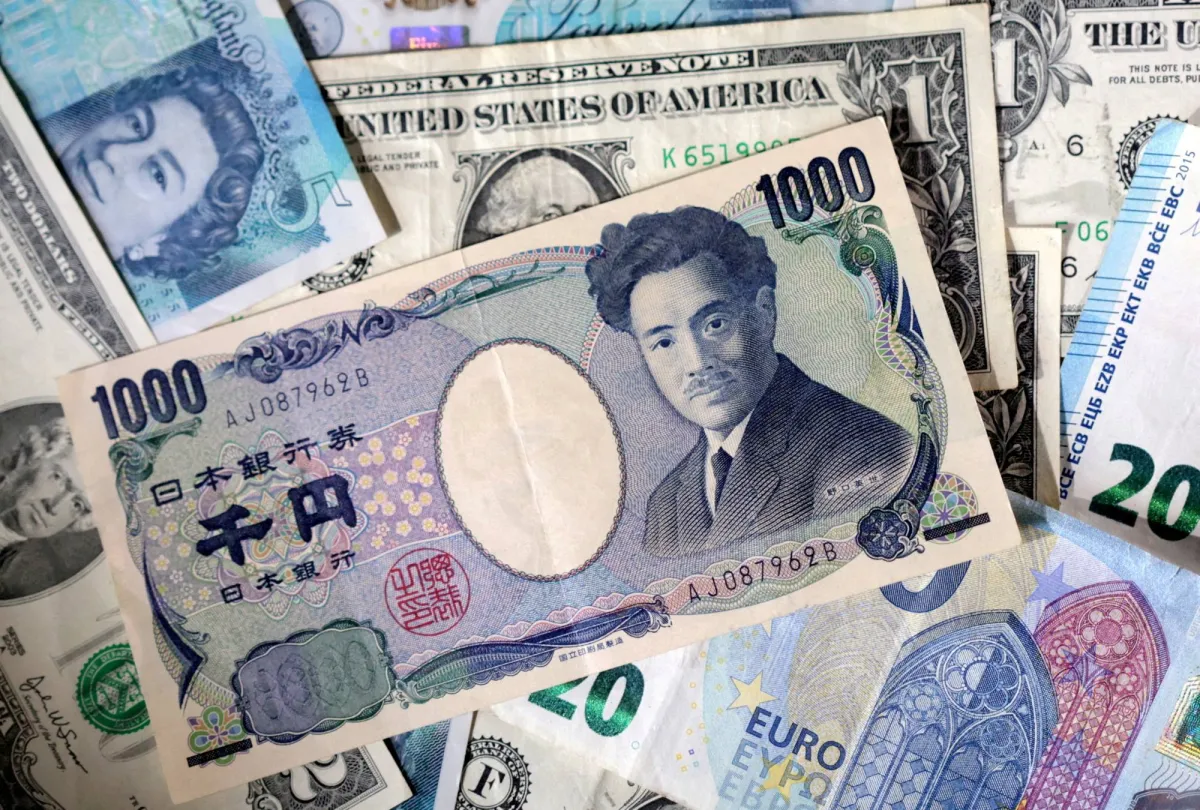
Japanese authorities have signaled they may take "decisive action" to support the domestic currency, as the yen continues to decline toward critical levels against the US dollar, amid growing fears of depleting foreign reserves due to repeated market interventions.
Japanese Finance Minister Satsuki Katayama confirmed on Friday that Tokyo stands ready to respond to foreign exchange price movements "at any time" when necessary, emphasizing the government's right to take firm steps against the excessive volatility witnessed in currency markets.
Critical Thresholds and Costly Interventions
The yen exchange rate reached 160.015 yen per dollar, surpassing the 160 threshold considered a dividing line in financial markets, for the first time since April 30 last year. Analysts believe breaching this barrier could accelerate speculative selling operations, placing additional pressure on the Asian currency.
Katayama's statements came as official data revealed the exorbitant cost of Tokyo's defense of its currency, with foreign exchange reserves recording a historic decline of $77.1 billion (approximately 5.6 percent) in just one month, falling to $1.306 trillion. It is believed this decline resulted from a large-scale intervention operation worth $73 billion, in which Japanese authorities used their reserves to buy yen.
Data showed that foreign securities, specifically US Treasury bonds constituting the bulk of reserves, declined by $75.6 billion, a clear indication that Tokyo sold part of its American holdings to finance its market intervention.
Background & Context
These developments come amid constrained monetary policy options available to Japan, which has been characterized for decades by extremely low interest rates, while the US Federal Reserve raises interest rates, widening the gap between yields and pushing investors to abandon the yen in favor of the dollar.
Katayama indicated that "Japan and the United States are in close contact regarding market movements," affirming Tokyo's right to intervene under a joint statement signed last year that permits taking action against excessive volatility, despite emphasis that exchange rates should generally be determined by the market.
However, analysts warn that Washington may reduce its tolerance for new large-scale Japanese intervention rounds, especially if they entail selling large quantities of US Treasury bonds, placing Tokyo between the hammer of necessity to defend its currency and the anvil of economic relations with its largest trading partner.
Impact & Consequences
Economists have proposed alternative solutions to relieve pressure on reserves, including using the Federal Reserve's Repurchase Agreement facility (FIMA), which was established during the COVID-19 pandemic in 2020. This mechanism allows Japan to obtain dollar liquidity without needing to sell Treasury bonds directly, helping to finance interventions while maintaining bond market stability.
Yet continued pressure on the yen reveals the limitations of the current strategy, as the ability to intervene sustainably appears limited against massive market forces. A Finance Ministry official admitted that rising US yields have also led to a decline in the market value of bond holdings, negatively affecting reserve values.
Regional Significance
The impact of the yen's decline extends beyond Japan's borders, particularly to the Middle East and North Africa region, which maintains close trade and investment relations with Tokyo. The weak Japanese currency increases import costs for Arab economies relying on Japanese products and technologies, while making Japanese exports more competitive in global markets.
Yen fluctuations also raise concerns among oil-producing Gulf states, which count Japan among their largest crude buyers. Continued weakness in the yen could affect Japanese purchasing power, although energy demand remains relatively stable in the short term.
In a broader context, the yen crisis demonstrates the challenges facing advanced economies in managing their monetary policies amid a volatile global environment, where traditional intervention tools have become less effective against massive capital movements and widespread financial speculation.