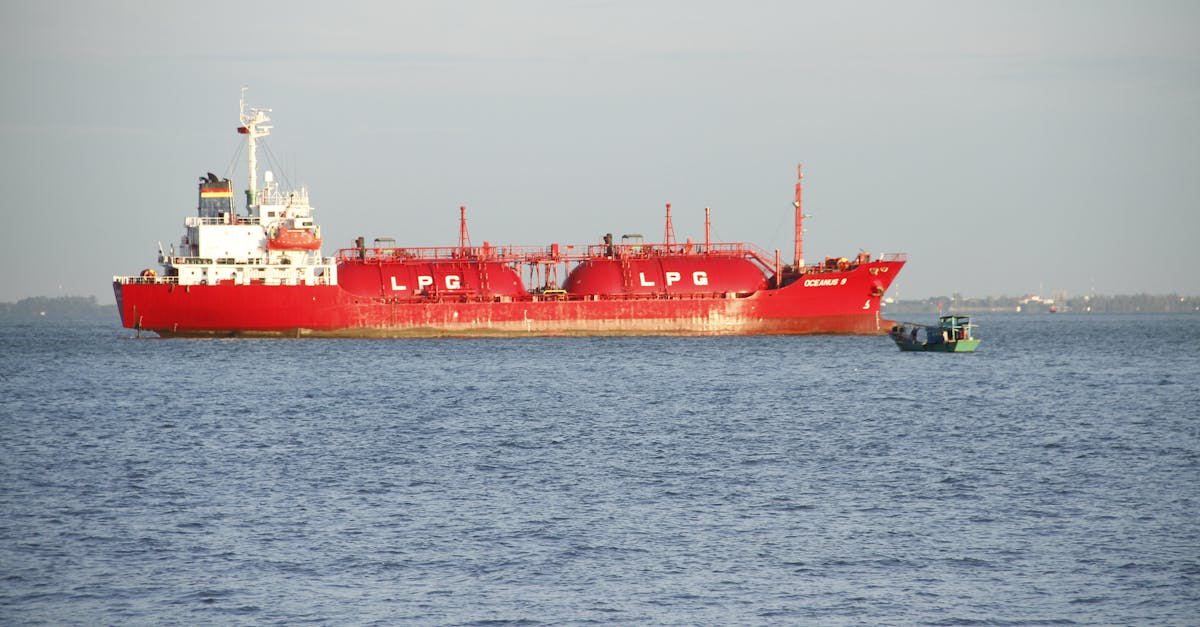
A Japanese-flagged oil tanker has successfully crossed the Strait of Hormuz, one of the world's most crucial waterways, underscoring the importance of this event in the context of global trade. This action serves as evidence of the continued flow of oil through this strategic passage, despite the geopolitical tensions in the region.
The Strait of Hormuz is a vital transit point for approximately 20% of global oil supplies, making it a focal point for many countries and companies. This maneuver occurs at a sensitive time, as concerns grow over the impact of political crises on energy supplies.
Details of the Event
The tanker that crossed the strait is carrying a shipment of crude oil and has been monitored by several maritime sources. Reports indicate that this vessel is part of ongoing shipping operations aimed at meeting the rising global demand for energy. Additionally, this move aligns with Japan's efforts to strengthen its presence in global energy markets.
The crossing of the tanker is seen as an indicator of stability in shipping activities in the region, despite the challenges it faces. Recently, there has been an escalation of tensions between certain countries in the area, raising concerns about the safety of navigation in the strait.
Background & Context
The Strait of Hormuz is a major transit point for oil, with millions of barrels of crude oil passing through it daily. Historically, the strait has witnessed numerous crises and conflicts, making it a geopolitically sensitive area. In recent years, tensions have increased between Iran and other nations, affecting navigation in the strait.
Major countries, including Japan, are striving to ensure the safety of their oil supplies, particularly amid the growing challenges facing energy markets. This action is part of a broader strategy to enhance energy security.
Impact & Consequences
This move could influence global oil prices, as the market reacts to any changes in shipping activity through the strait. If shipping continues normally, it may lead to price stability, while any escalation in tensions could result in significant price increases.
Moreover, the tanker’s crossing reflects the importance of international cooperation in securing vital trade routes. Countries that rely on oil from this region will be closely monitoring the situation, as any disruption could impact their economies.
Regional Significance
The Arab region, particularly the Gulf states, is among the largest oil producers in the world. Any changes in shipping activity through the Strait of Hormuz could directly affect the economies of these nations. If tensions persist, it may lead to a reassessment of energy strategies.
Arab countries are working to stabilize oil markets, as many of their economies depend on oil revenues. Therefore, any developments in this context will be of great interest to decision-makers in the region.
In conclusion, the crossing of the Japanese tanker through the Strait of Hormuz represents a significant step in the context of global trade, reflecting the challenges and opportunities facing energy markets. Attention will remain focused on this vital area, where economic interests intersect with geopolitical tensions.