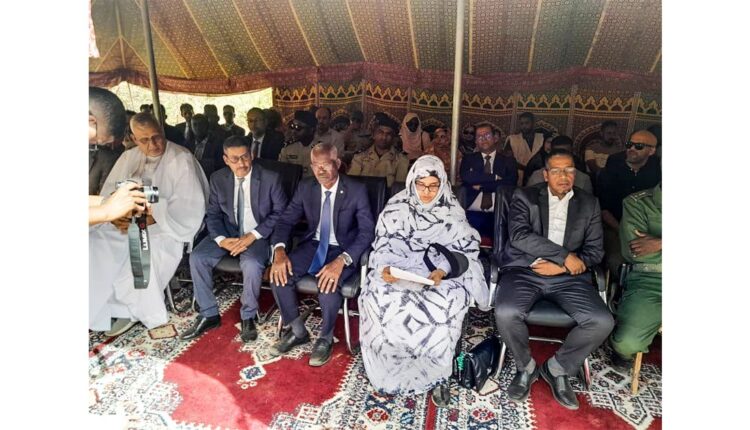
The renewed partnership between Mauritania and the United Nations is drawing attention in Nouakchott, representing a new evaluative phase that offers an opportunity to assess the cooperation outcomes for 2025 and anticipate the prospects for the upcoming phase. This move comes at a time when the region is facing increasing security challenges and economic and social pressures, necessitating a reevaluation of cooperation strategies.
The Mauritanian government, in collaboration with the United Nations, aims to transform cooperation programs from mere sectoral interventions into comprehensive strategies that address various aspects of development. This transformation requires greater coordination among stakeholders, including the government, civil society, and the private sector.
Event Details
During the meeting held in Nouakchott, the achievements of the partnership over the past years were reviewed, focusing on projects that have yielded positive results in education, health, and infrastructure. The challenges faced by these projects were also discussed, such as funding shortages and coordination among different entities.
Officials emphasized the importance of enhancing cooperation between Mauritania and the United Nations, stressing the need to establish clear and specific action plans to achieve development goals. New mechanisms were proposed to monitor project implementation and evaluate their outcomes periodically.
Background & Context
Historically, Mauritania has experienced ongoing cooperation with the United Nations in various fields; however, current challenges require a reassessment of this partnership. The country is grappling with deep economic and social issues, which necessitate intensified international and local efforts to achieve sustainable development.
In recent years, Mauritania has faced increasing security challenges, especially in light of regional crises. These challenges directly impact stability and development, making cooperation with the United Nations vital.
Impact & Consequences
The partnership between Mauritania and the United Nations is considered a significant step towards enhancing stability and development in the country. If the proposed plans are effectively implemented, they could contribute to improving the living conditions of citizens and strengthen the government's capacity to address challenges.
Moreover, the success of this partnership could serve as a model for other countries facing similar challenges. Successful experiences can enhance regional and international cooperation in addressing crises.
Regional Significance
The effects of the partnership between Mauritania and the United Nations extend beyond the country's borders, potentially influencing regional stability. In light of the multiple crises facing the region, enhancing international cooperation in development and security is essential.
If Mauritania succeeds in achieving its development goals in collaboration with the United Nations, it could become a model for other Arab countries, thereby enhancing regional cooperation opportunities and strengthening ties between nations.
In conclusion, the partnership between Mauritania and the United Nations represents a genuine opportunity to enhance development and achieve stability in the country. This requires a genuine commitment from all stakeholders and effective collaboration to achieve common goals.