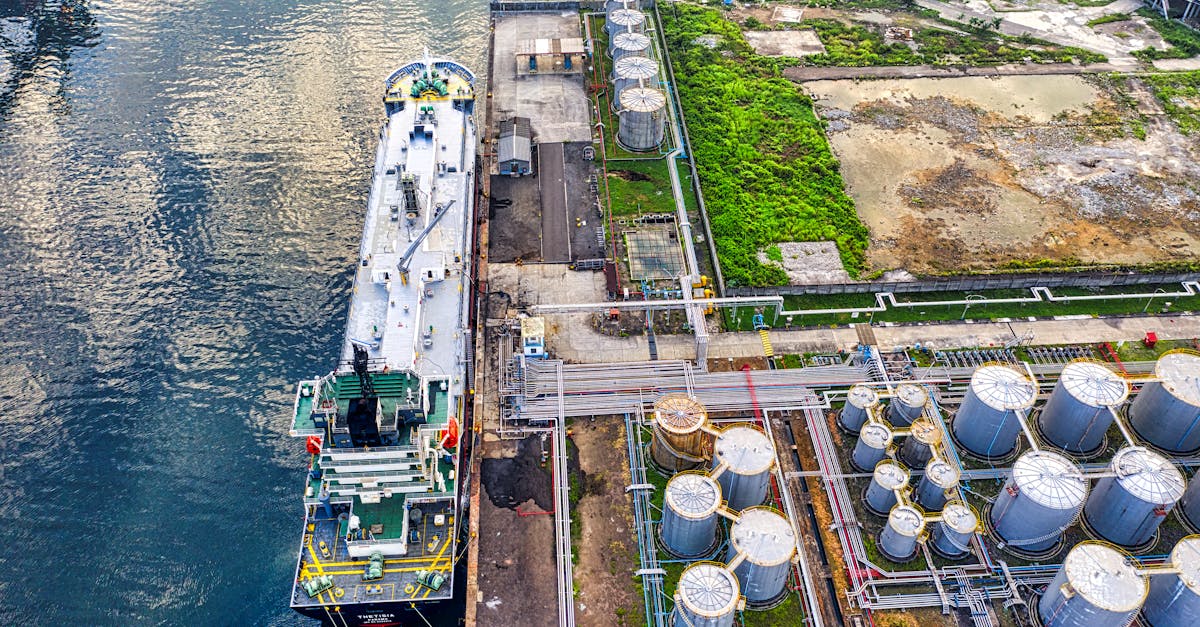
The Japanese government has announced the passage of one of its oil tankers carrying Saudi oil through the Strait of Hormuz, considering this a positive development in the context of economic relations between the two countries. This move comes at a time when the strait, one of the most important maritime corridors in the world, is witnessing increasing tensions due to political events in the region.
Japan is one of the largest oil importers globally, heavily relying on Saudi oil to meet its energy needs. This announcement aligns with Tokyo's efforts to strengthen its economic partnerships with oil-producing countries, especially in light of the challenges facing global energy markets.
Details of the Event
The passage of the Japanese tanker through the Strait of Hormuz represents a significant step in enhancing trade relations between Japan and Saudi Arabia. Saudi Arabia is a primary source of oil for Japan, and this move serves as evidence of the stability of maritime navigation in the region despite political tensions.
It is noteworthy that the Strait of Hormuz is a vital transit point for approximately 20% of the world's total oil, making it a focal point for major powers. In recent years, the strait has experienced numerous incidents affecting navigation, heightening concerns about supply security.
Background & Context
Historically, the Strait of Hormuz has seen many military and political tensions, being a strategic point in the conflict between regional and international powers. In recent years, tensions have escalated between Iran and the United States, impacting navigation in the strait.
Through this move, Japan aims to reaffirm its commitment to energy supply security, as relations with oil-producing countries are essential for the stability of its economy. Moreover, the passage of the tanker reflects Japan's desire to enhance cooperation with Saudi Arabia in energy and trade sectors.
Impact & Consequences
The passage of the Japanese tanker through the Strait of Hormuz sends a strong message regarding the importance of stable maritime navigation in the region. This development may help alleviate concerns about supply security and bolster investor confidence in oil markets.
Additionally, this step could positively influence relations between Japan and oil-producing countries, potentially opening new avenues for cooperation in areas such as technology and investment.
Regional Significance
This development holds significant importance for the Arab region, as it reflects the stability of maritime navigation in the Strait of Hormuz. This may contribute to strengthening economic relations between Arab countries and Japan, enhancing opportunities for cooperation in energy and trade.
In conclusion, the passage of the Japanese tanker through the Strait of Hormuz can be seen as a positive step reflecting the stability of trade relations between oil-producing and consuming nations. This development may contribute to enhancing energy security in the region and underscores the importance of international cooperation in addressing economic challenges.