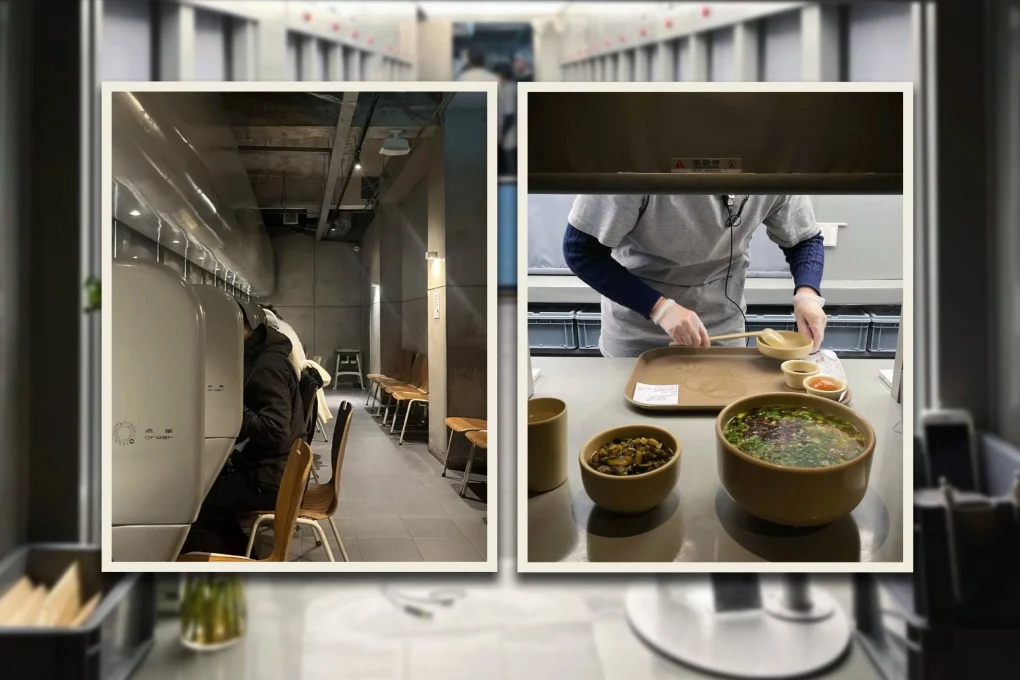
Japanese restaurants, especially the Sushiro chain, are witnessing unprecedented growth in China, as dining alone has become a popular trend among the Chinese. This trend has contributed to the success of Japanese brands, with reports indicating that wait times at some branches reach up to 1,500 tables, reflecting the significant interest in this unique experience.
Sushiro opened its first branch in mainland China in Guangzhou, the capital of Guangdong Province, in 2021. Since then, the demand for this chain has increased significantly, especially after the opening of its first branch in Beijing in 2024, where the city witnessed long queues of customers eager to experience sushi.
Event Details
As Sushiro entered Shanghai in December 2025, there were already 700 groups of customers waiting for the restaurant's opening, indicating the growing popularity of this type of dining. This new trend of dining alone reflects a shift in Chinese food culture, as many now prefer to eat alone rather than in large gatherings.
The experience of dining alone at Japanese sushi restaurants is unique, as dishes are served on a conveyor belt, allowing customers to easily choose what suits them. This type of service attracts young people and professionals looking for a quick and convenient dining experience.
Background & Context
In recent years, China has witnessed significant changes in lifestyle patterns and eating habits. With the increase in urban populations and changing lifestyles, dining alone has become more common. The COVID-19 pandemic also contributed to this trend, as people began to prefer eating alone to avoid large gatherings.
Japanese restaurants, especially those serving sushi, are among the most popular choices among Chinese consumers. This popularity is attributed to the quality of food and the unique dining experience they offer. Additionally, the Japanese culture of food presentation attracts many customers, further enhancing the popularity of these restaurants.
Impact & Consequences
The rising popularity of sushi restaurants in China is indicative of cultural and social changes in the country. This trend reflects a shift in how people eat, as they become more open to trying new and different foods. Furthermore, this trend may lead to increased investments in the Japanese restaurant sector in China, strengthening trade relations between the two countries.
This success may encourage more Japanese brands to enter the Chinese market, increasing competition and enhancing consumer choices. This trend is expected to continue growing, opening new avenues for innovation in the food industry.
Regional Significance
This trend could have positive effects on the Arab region, as it may encourage the adoption of diverse food cultures. The increasing popularity of Japanese restaurants in China could pave the way for Japanese brands to enter Arab markets, enhancing cultural and commercial exchange between countries.
Ultimately, this trend represents an opportunity to enhance mutual understanding between different cultures, contributing to building bridges of cooperation and understanding among peoples.